Now Reading: The Future of Nigerian Football: Restoring the Glory of the Super Eagles
-
01
The Future of Nigerian Football: Restoring the Glory of the Super Eagles


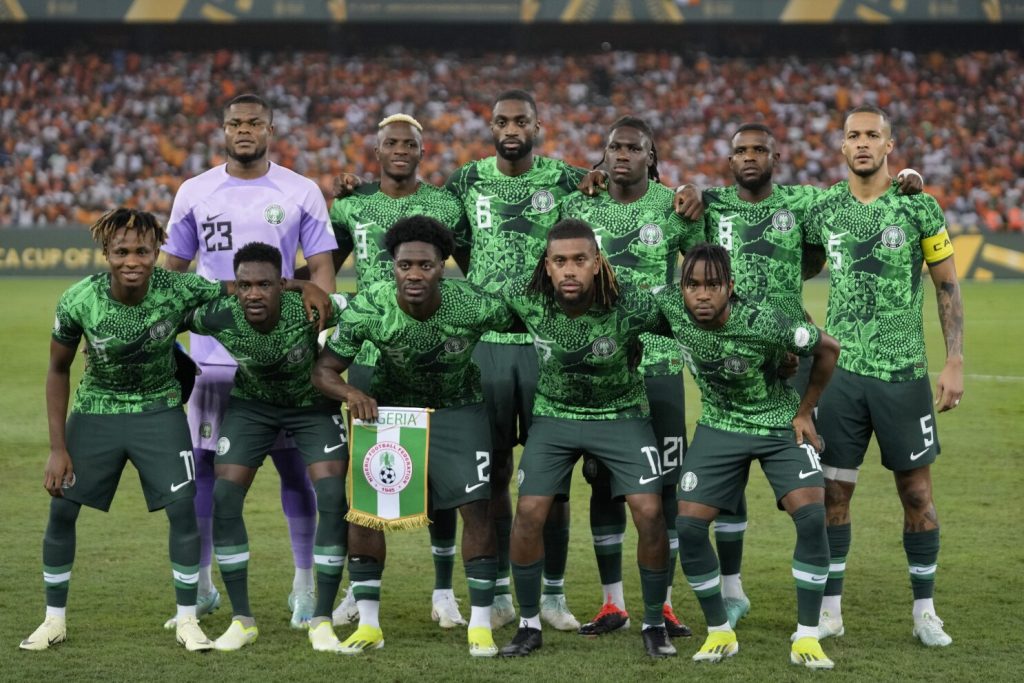
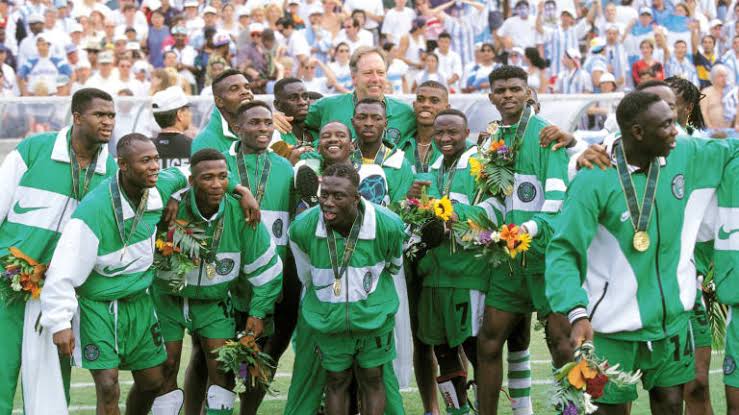
Football is more than a sport in Nigeria—it is a unifying force, a source of national pride, and an identity shared by millions. From the dazzling skills of Jay-Jay Okocha to the heroic triumph at the 1996 Olympic Games in Atlanta, the Super Eagles once embodied the promise of African football. But in recent years, Nigeria’s national team has struggled to live up to its legacy. As fans demand a return to glory, it is time to critically examine the state of Nigerian football and chart a new path forward.
⚽ A Legacy of Greatness
The Super Eagles are three-time African Cup of Nations (AFCON) champions (1980, 1994, 2013) and have qualified for six FIFA World Cups. The 1994 squad, ranked fifth in the world by FIFA, remains Nigeria’s most iconic team, boasting legends such as Rashidi Yekini, Sunday Oliseh, and Finidi George. Their flair and fearlessness earned Nigeria global respect and set high expectations for future generations.
📉 The Current Challenges
Despite its rich history, Nigerian football faces pressing problems:
- Inconsistent Management: Frequent changes in coaching staff disrupt long-term planning.
- Talent Drain: While Nigeria produces world-class players, many develop abroad, with little contribution to the local leagues.
- Weak Domestic League: The Nigeria Professional Football League (NPFL) struggles with poor infrastructure, irregular schedules, and inadequate funding.
- Corruption & Politics: Administrative wrangling within the Nigeria Football Federation (NFF) often overshadows the game itself.
- Youth Development Gaps: Unlike Europe, Nigeria lacks a robust grassroots system to identify and nurture talent consistently.
🌍 Lessons from Abroad
Countries like Senegal and Morocco have recently surged to prominence in global football through strategic investment and discipline.
- Senegal: Built on strong youth academies (e.g., Génération Foot) and government support, culminating in their AFCON 2021 win and World Cup success.
- Morocco: Invested heavily in infrastructure such as the Mohammed VI Football Complex, producing a semi-final run at the 2022 World Cup.
Nigeria can learn from these examples to revamp its system.
🛠️ What Needs to Be Done
- Grassroots Development: Create and fund academies across all regions, ensuring talented kids from villages to cities have opportunities.
- Revitalize the NPFL: Improve stadium facilities, broadcasting rights, and player welfare to make the league competitive and attractive.
- Professionalize Administration: Limit political interference, enforce transparency in the NFF, and hire competent football technocrats.
- Invest in Coaching: Develop local coaches through world-class training programs, rather than over-relying on foreign managers.
- Diaspora Integration: Effectively scout and integrate Nigerian-born players abroad, while maintaining a balance with homegrown talent.
- Women’s Football Growth: Support the Super Falcons and invest in girls’ academies, ensuring Nigeria remains a leader in women’s football.
🚀 The Road Ahead
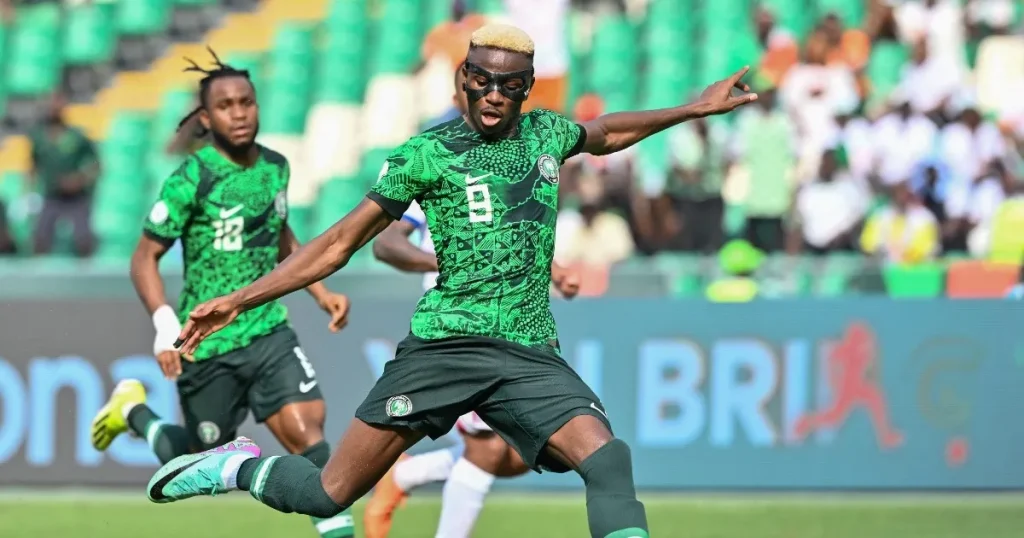
Nigeria is blessed with an abundance of footballing talent. From Victor Osimhen’s lethal finishing to Asisat Oshoala’s global dominance in women’s football, the raw materials for greatness are already in place. What is missing is structure, accountability, and vision.
If Nigeria embraces reform, invests in grassroots development, and restores professionalism at every level, the Super Eagles can soar again—bringing back the glory days when the world feared Nigeria’s green jersey.
✅ Conclusion: The future of Nigerian football depends not just on the players but on the systems supporting them. With bold reforms, Nigeria can reclaim its rightful place as the giant of African football and a respected force globally.










Related Posts
Stay Informed With the Latest & Most Important News
Previous Post
Next Post

Advertisement