Now Reading: A Traveler’s Guide to Abuja
-
01
A Traveler’s Guide to Abuja



🇳🇬 Introduction
Abuja, the capital city of Nigeria, is a modern, planned city at the heart of the country. Known for its wide roads, government institutions, cultural landmarks, and natural scenery, Abuja offers travelers a mix of business, leisure, and adventure. Whether you’re visiting for politics, conferences, or exploration, Abuja is a city that blends tradition and modernity.
📍 Quick Facts about Abuja
- Founded: Officially became Nigeria’s capital in 1991, replacing Lagos.
- Population: ~3.6 million (2025 est.)
- Location: Center of Nigeria, in the Federal Capital Territory (FCT).
- Languages: English (official), Hausa, Yoruba, Igbo, Gwari, and others.
- Best Time to Visit: November – March (dry season, pleasant weather).
🏙️ Top Attractions in Abuja
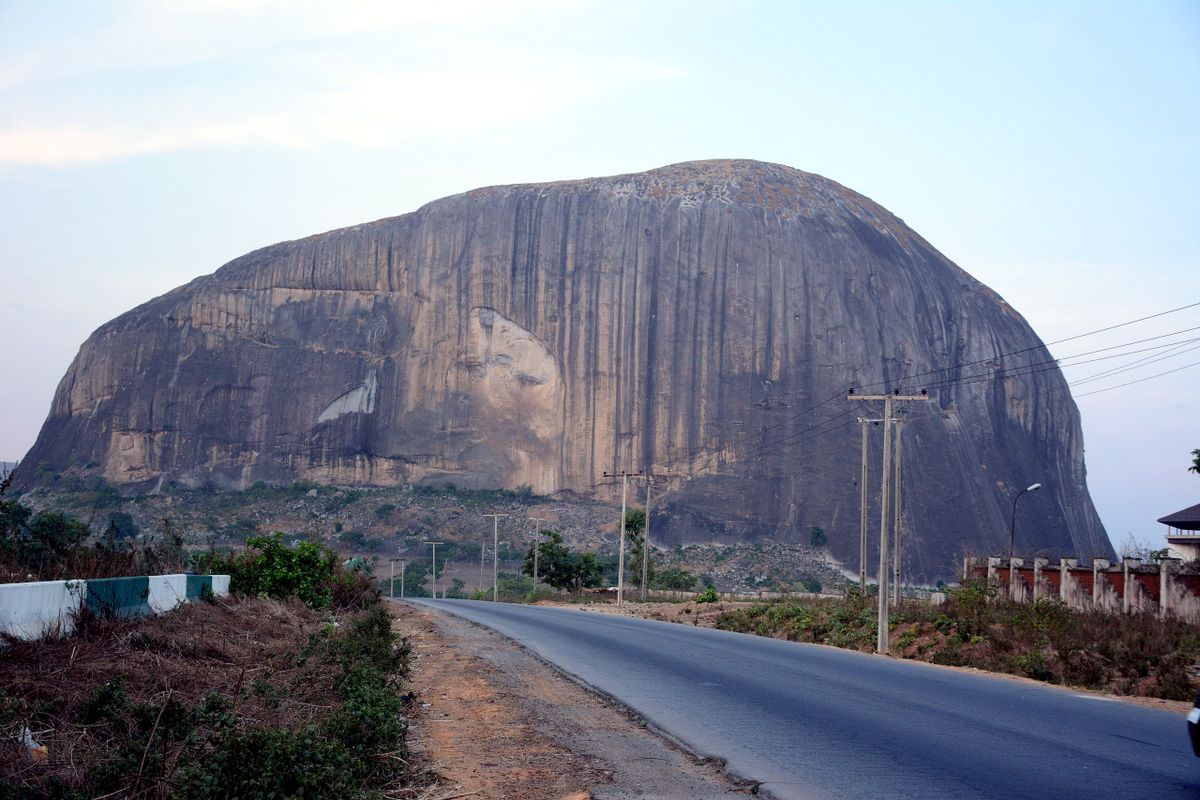
🪨 1. Zuma Rock
- Known as the “Gateway to Abuja”, this monolith is 725 meters tall.
- Visible patterns resemble a human face, making it a symbol of local spirituality.
- Perfect for sightseeing, hiking, and photography.
🏞️ 2. Aso Rock
- A 400-meter high monolith at the center of Abuja.
- Surrounds Nigeria’s most important government buildings: the Presidential Villa, National Assembly, and Supreme Court.
- Popular for hiking and panoramic city views.
🏛️ 3. Nigerian National Mosque
- A stunning landmark with a golden dome and four minarets.
- Open to visitors outside prayer times.
- Symbol of Abuja’s cultural and religious harmony.
🕍 4. Nigerian National Christian Centre
- One of Africa’s largest churches with modern architecture.
- Designed in neo-gothic style with spectacular stained-glass windows.
- Hosts major Christian gatherings and events.
🌳 5. Millennium Park
- Abuja’s largest public park, inaugurated in 2004 by Queen Elizabeth II.
- Features botanical gardens, walking paths, and picnic spots.
- A family-friendly space and popular venue for events.
🛍️ 6. Jabi Lake and Mall
- A beautiful lake where visitors enjoy boating and waterfront relaxation.
- The nearby Jabi Lake Mall is a hub for shopping, dining, and entertainment.
🎨 7. Arts and Crafts Village
- A colorful marketplace showcasing Nigerian handicrafts, paintings, jewelry, and textiles.
- Ideal for buying souvenirs and experiencing local creativity.
🍲 Food and Dining in Abuja
Abuja’s culinary scene reflects Nigeria’s diversity:
- Suya: Spicy grilled beef skewers, a popular street food.
- Egusi Soup & Pounded Yam: A hearty Nigerian staple.
- Jollof Rice: West Africa’s most famous dish.
- International Cuisine: Abuja offers a range of Chinese, Lebanese, and continental restaurants.
🍴 Recommended Spots:
- Nkoyo (Nigerian cuisine)
- Jevinik (local delicacies)
- BluCabana (international dining + poolside atmosphere)
- The Dome (luxury dining + entertainment).
🌆 Nightlife in Abuja
- Clubs & Lounges: Play Lounge, Moscow Underground, and The Bank.
- Live Music: Some venues host Afrobeat, jazz, and gospel nights.
- Casual Spots: Suya joints, rooftop bars, and cafés offer a relaxed vibe.
🎶 Abuja nightlife is lively but more laid-back compared to Lagos.
🛒 Shopping in Abuja
- Jabi Lake Mall: International brands + cinema.
- Wuse Market: Bustling traditional market for everything from food to fashion.
- Arts & Crafts Village: Handcrafted souvenirs.
- Banex Plaza: Electronics and tech hub.
🏨 Where to Stay in Abuja
- Luxury Hotels: Transcorp Hilton, Sheraton Abuja, Fraser Suites.
- Mid-Range: Nordic Hotel, Bolton White Apartments.
- Budget-Friendly: Hotel Reno, 3J’s Hotel.
🏨 Whether you want 5-star luxury or affordable comfort, Abuja has options for every traveler.
🚖 Getting Around Abuja
- Taxis and Ride-Hailing: Bolt, Uber, and InDriver operate widely.
- Buses & Mini-Taxis: Cheap but less comfortable for foreigners.
- Car Rentals: Available for those who prefer independence.
- Air Travel: Nnamdi Azikiwe International Airport connects Abuja to major cities worldwide.
✈️ Abuja is a gateway city for both domestic and international travel.
⚠️ Travel Tips for Abuja
- Dress modestly in religious and official areas.
- Stay hydrated—temperatures can get hot in the dry season.
- Avoid traveling alone late at night in isolated areas.
- Respect cultural diversity—Abuja is home to many ethnic groups.
- Currency: Nigerian Naira (₦) — cash is widely used, but ATMs and cards are common in malls/hotels.
✅ Conclusion
Abuja may be Nigeria’s seat of power, but it is also a city of nature, culture, and hospitality. From iconic landmarks like Zuma Rock and Aso Rock to bustling markets and serene parks, Abuja offers something for everyone.
Whether you’re a business traveler, a diplomat, or an adventurer, Abuja is a city that welcomes you with open arms and leaves you with unforgettable memories.










Related Posts
Stay Informed With the Latest & Most Important News
Previous Post
Next Post
Previous Post
Next Post

Advertisement