
Now Reading: Alake of Egbaland: Paramount Ruler of the Egba People
1
-
01
Alake of Egbaland: Paramount Ruler of the Egba People
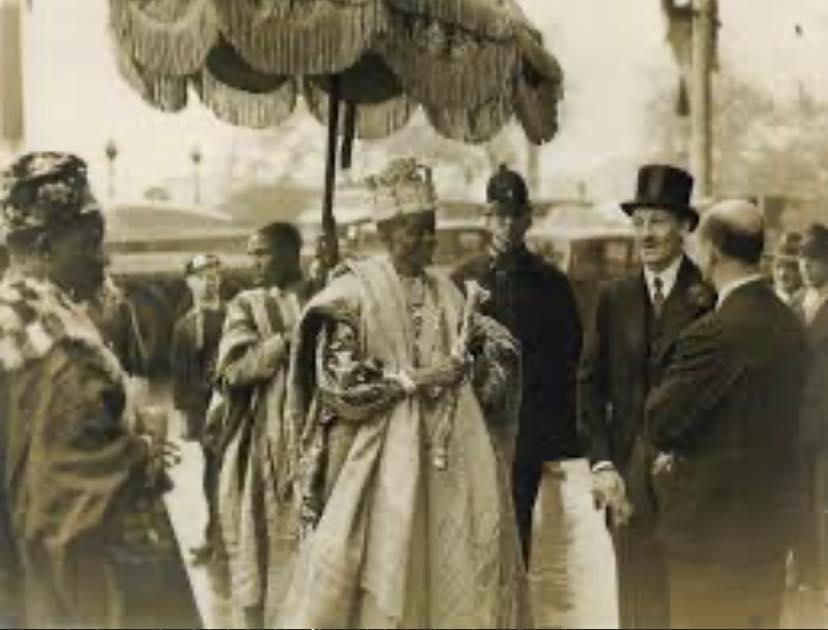
Alake of Egbaland: Paramount Ruler of the Egba People

Historical Background
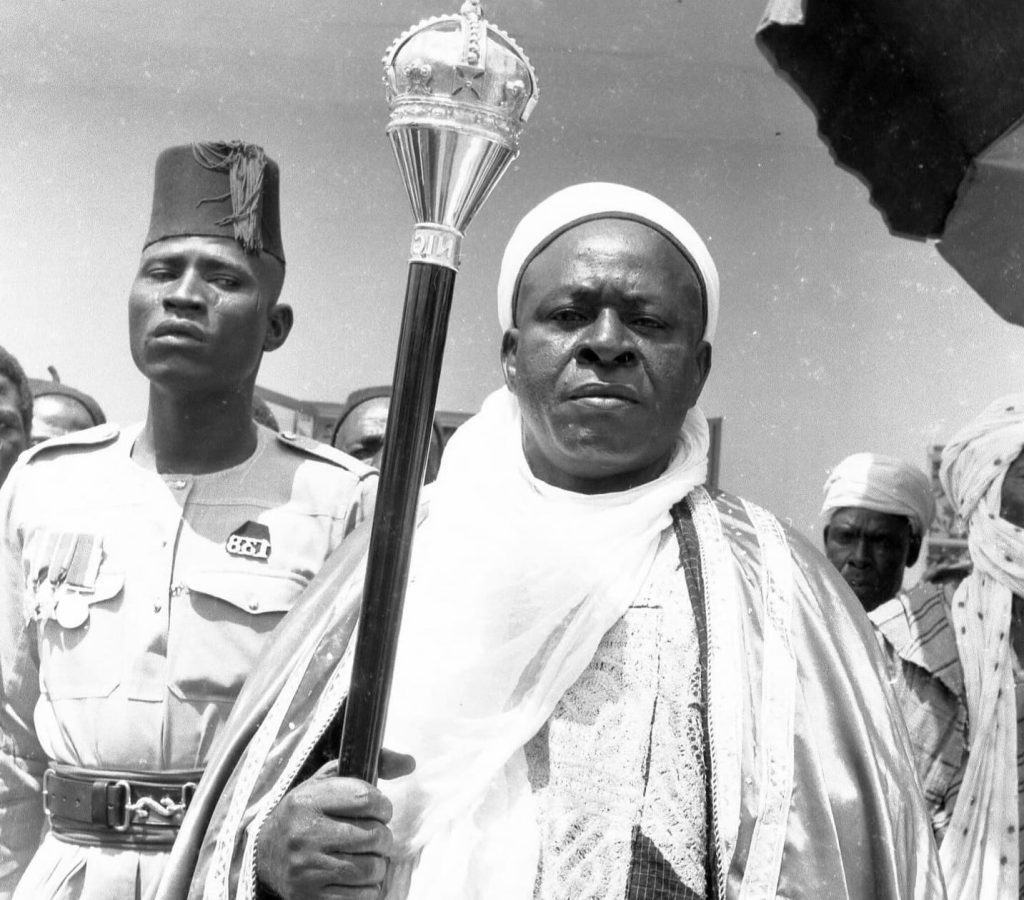
The Alake of Egbaland is the paramount ruler of the Egba people, whose homeland is centered in Abeokuta, Ogun State, Nigeria.
- The Egba, a Yoruba subgroup, settled in Abeokuta in the early 19th century after migrating from the old Oyo Empire.
- The title “Alake” derives from the Egba royal dynasty in Ake, one of the four main Egba sections (Ake, Oke-Ona, Gbagura, and Owu).
- The Alake’s palace in Abeokuta is a symbol of Egba pride, unity, and resistance, especially noted for their historic encounters with colonial powers.
Role and Authority
- The Alake is the supreme traditional ruler of Egbaland.
- Presides over Egba chieftaincy titles, customs, and cultural festivals.
- Plays a unifying role among the four Egba sections.
- Acts as a cultural ambassador for Ogun State and the Yoruba nation.
Recent Alakes
Oba Ladapo Ademola II (1920–1962)
- Famous for his role during the Abeokuta Women’s Revolt (1940s), when women led by Funmilayo Ransome-Kuti protested colonial taxation.
- Temporarily abdicated in 1949 due to these tensions, symbolizing the balance of power between monarchs and their people.
Oba Oyebade Lipede (1972–2005)
- Oversaw modernization and development in Egbaland during his reign.
Oba Adedotun Aremu Gbadebo III (2005–present)
- Born 14 September 1943, he became the Alake of Egbaland on 2 August 2005.
- A retired officer of the Nigerian Army and grandson of Oba Gbadebo I.
- Known for promoting education, cultural festivals, and Egba unity.
- Actively engages in national issues, representing Yoruba perspectives in Nigeria’s traditional council.
Cultural Role Today
- The Alake is the patron of major Egba festivals, including:
- Lisabi Festival, honoring the legendary Egba warrior Lisabi.
- Ojude Oba Festival (Egba edition), celebrating the monarch’s authority and Egba heritage.
- Supports youth empowerment, education, and tourism in Abeokuta.
Legacy and Significance
- The Alake throne is one of the most prestigious Yoruba royal institutions.
- Symbolizes Egba resilience, cultural pride, and political influence.
- Maintains continuity of Egba identity in Nigeria’s modern republic.
Conclusion
The Alake of Egbaland is more than a monarch — he is the unifying symbol of Egba history, resistance, and cultural pride. From the colonial struggles of Oba Ademola II to the modernization efforts of Oba Gbadebo III today, the throne continues to embody the strength and dignity of the Egba people.










Related Posts


Stay Informed With the Latest & Most Important News
Previous Post
Next Post


Advertisement

Donations






Loading Next Post...


