
Now Reading: Alhaji Abdulmumini Kabir Usman: The 50th Emir of Katsina
1
-
01
Alhaji Abdulmumini Kabir Usman: The 50th Emir of Katsina
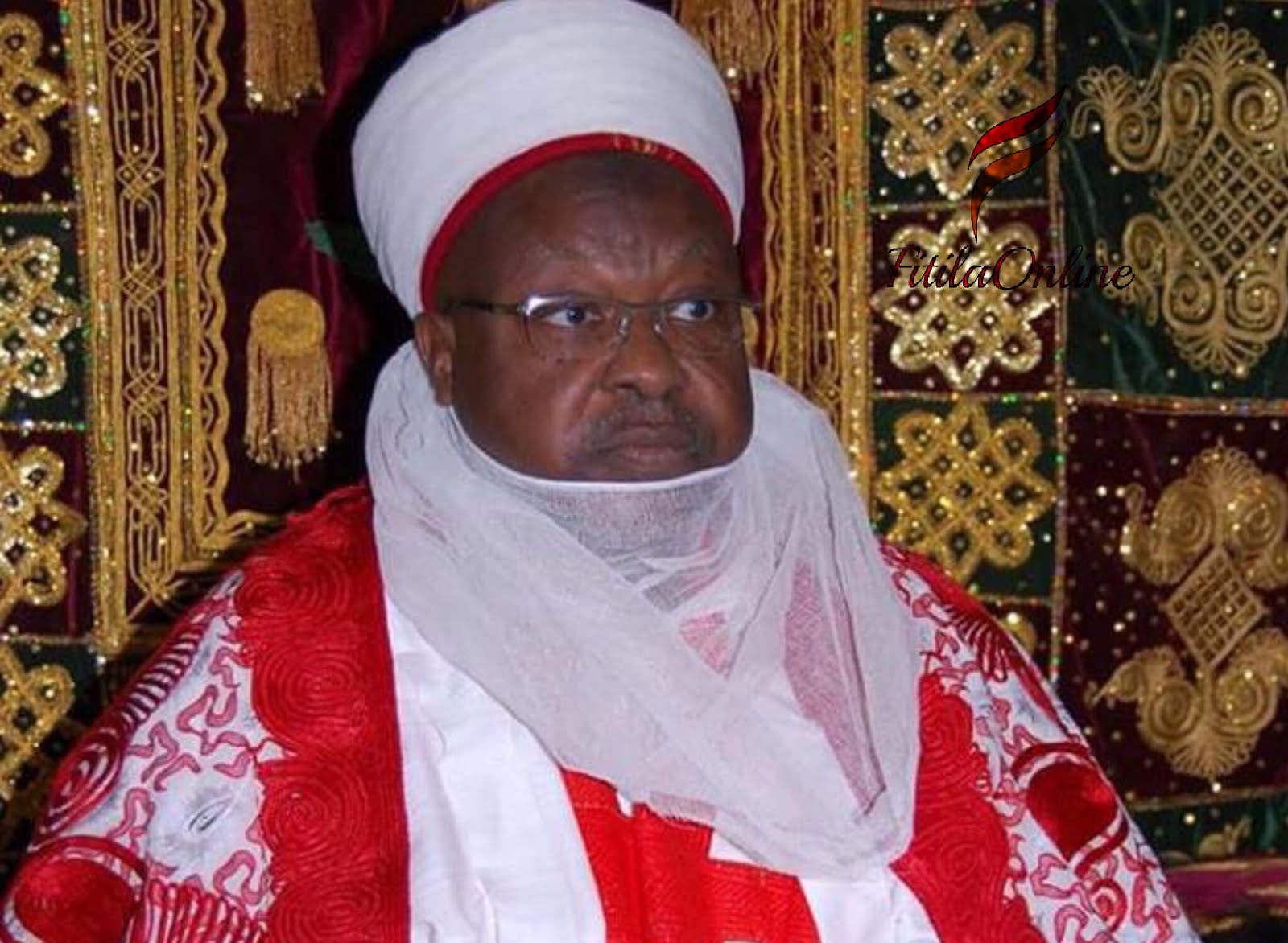
Alhaji Abdulmumini Kabir Usman: The 50th Emir of Katsina

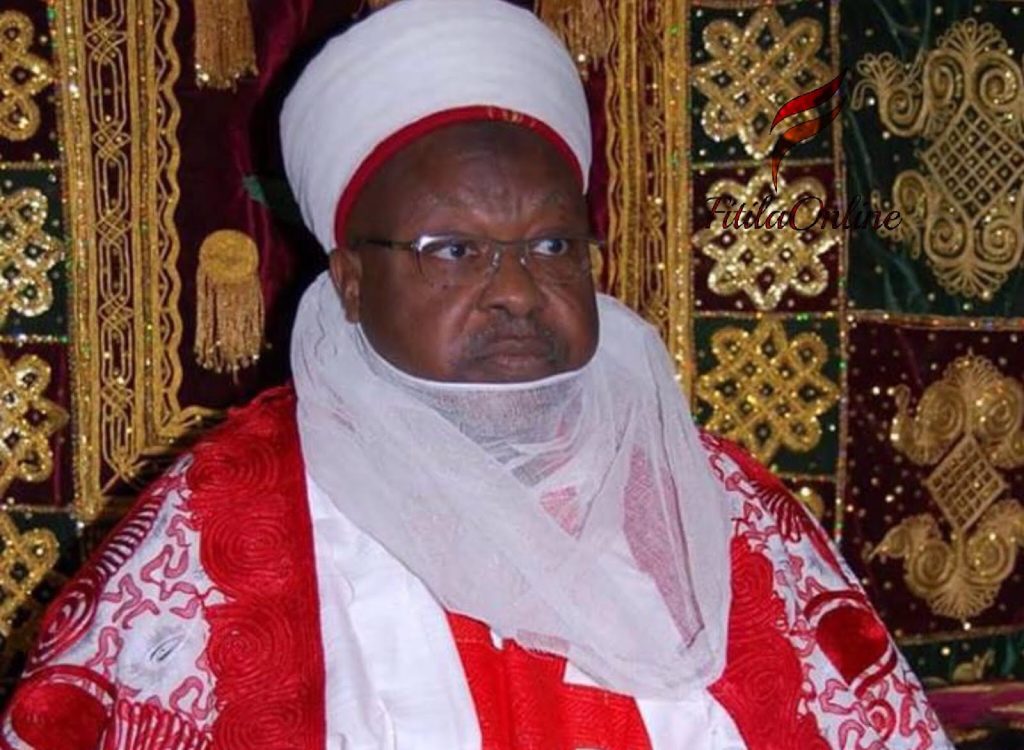
Early Life and Background
Alhaji Abdulmumini Kabir Usman was born in 1952 in Katsina, northern Nigeria.
- He is the son of Emir Muhammadu Kabir Usman, who reigned from 1981 to 2008.
- Comes from the Fulani ruling dynasty of Katsina, established after the Sokoto Jihad of Usman dan Fodio in the early 19th century.
- Received both Islamic and Western education, preparing him for leadership in tradition and modern governance.
Ascension to the Throne
- On 9 March 2008, Abdulmumini Kabir Usman was installed as the 50th Emir of Katsina, succeeding his late father.
- His enthronement continued the dynasty’s lineage of Islamic leadership and Hausa-Fulani cultural authority.
Reign and Leadership
Custodian of Tradition
- Presides over the Katsina Emirate Council, one of the most important in northern Nigeria.
- Upholds Islamic teachings, Hausa-Fulani culture, and traditional festivals.
- Guardian of the Gidan Korau (Emir’s Palace), one of Nigeria’s oldest palaces, dating back to the 14th century.
Education and Development
- Strong advocate for education, both Islamic and Western, in Katsina State.
- Promotes initiatives for youth empowerment and women’s education, addressing social challenges in the region.
Peace and Mediation
- Plays a mediatory role in resolving conflicts in Katsina, a state often affected by security challenges.
- Works with government, religious leaders, and international agencies to foster peace, tolerance, and security.
Cultural Promotion
- Presides over the colorful Durbar Festival, especially during Eid al-Fitr and Eid al-Adha, where horsemen in traditional regalia display horsemanship and pageantry.
- Symbol of Hausa identity, uniting people in pride and tradition.
National and International Role
- Member of the Northern Traditional Rulers’ Council, working with the Sultan of Sokoto and other emirs.
- Represents Katsina at national events, reinforcing the role of traditional rulers in Nigeria’s governance and culture.
Personal Traits
- Known for his calm, fatherly, and diplomatic personality.
- Respected as a monarch who balances tradition with modern challenges.
Legacy (So Far)
- As the 50th Emir of Katsina, Abdulmumini Kabir Usman has strengthened the emirate’s prestige and continuity.
- A custodian of one of the oldest Hausa kingdoms, he ensures that Katsina remains a hub of Islamic scholarship and Hausa culture.
- Seen as a unifying figure in turbulent times, especially with insecurity in northern Nigeria.
Conclusion
Alhaji Abdulmumini Kabir Usman, the Emir of Katsina since 2008, is more than a monarch — he is a guardian of Hausa-Fulani heritage, Islamic learning, and cultural pride. His reign reflects both the deep history of Katsina and the modern demands of leadership in Nigeria, making him one of the most respected monarchs in the country today.










Related Posts

Stay Informed With the Latest & Most Important News
Previous Post
Next Post


Advertisement

Donations






Loading Next Post...


