
Now Reading: Emir of Bauchi: Custodian of Bauchi Emirate and Fulani Heritage
1
-
01
Emir of Bauchi: Custodian of Bauchi Emirate and Fulani Heritage
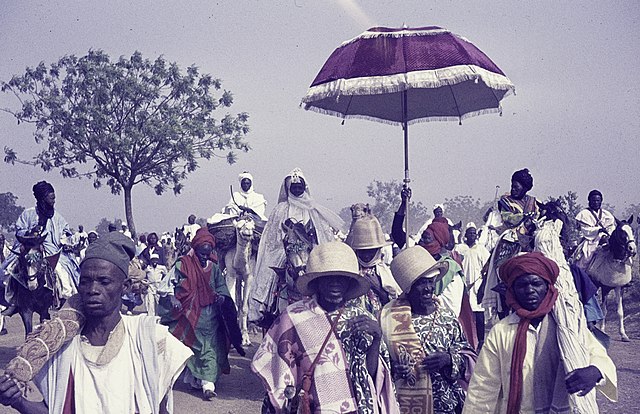
Emir of Bauchi: Custodian of Bauchi Emirate and Fulani Heritage

Historical Background
The Emir of Bauchi is the paramount ruler of the Bauchi Emirate, based in Bauchi State, northeastern Nigeria.
- The emirate was founded in 1805, during the Sokoto Jihad of Usman dan Fodio.
- Yakubu Ibn Dadi, a disciple and commander of Shehu Usman dan Fodio, established the Bauchi Emirate after defeating the Habe (Hausa) rulers.
- Since then, the emirate has been ruled by the Fulani dynasty, under the spiritual authority of the Sokoto Caliphate.
Role and Authority
- Traditional Monarch: Custodian of Bauchi Emirate’s cultural and Islamic traditions.
- Religious Leader: Oversees Islamic institutions, mosques, and Qur’anic schools in Bauchi State.
- Mediator: Plays a role in resolving conflicts, fostering unity, and guiding government on traditional matters.
- Cultural Symbol: Represents centuries of Fulani authority and Hausa-Fulani cultural fusion.
The Palace
- The Emir’s Palace in Bauchi, built in the 19th century, is an architectural and cultural landmark that continues to house the emirate’s leadership.
Notable Emirs
Yakubu Ibn Dadi (1805–1845)
- First Emir of Bauchi and founder of the emirate.
- Expanded Islamic governance in Bauchi under Sokoto Caliphate influence.
Emir Suleiman Adamu (1930s–1980s)
- Oversaw modernization and development during colonial and post-independence Nigeria.
Dr. Rilwanu Suleiman Adamu (2010–present)
- Current Emir of Bauchi, installed in 2010, succeeding his late father, Emir Suleiman Adamu.
- Educated and trained in both Islamic and Western institutions.
- Known for promoting peace, education, health, and development in Bauchi State.
Reign of Emir Rilwanu Suleiman Adamu
Custodian of Tradition
- Presides over traditional institutions, Islamic festivals, and emirate councils.
- Promotes Bauchi’s role as a center of Hausa-Fulani culture in northeastern Nigeria.
Advocacy and Development
- Strong advocate for education (both Islamic and Western), especially for youth.
- Supports healthcare initiatives and women’s empowerment in Bauchi State.
- Engages in dialogue to reduce insecurity and communal conflict in the region.
National Role
- Influential member of the Northern Traditional Rulers’ Council.
- Works alongside the Sultan of Sokoto and other emirs to strengthen unity in northern Nigeria.
Legacy and Significance
- The Emir of Bauchi embodies the legacy of the Sokoto Caliphate while adapting to modern Nigeria.
- His throne remains a pillar of culture, history, and resilience for the people of Bauchi.
- Seen as a bridge between tradition and development, ensuring the emirate remains relevant in today’s society.
Conclusion
The Emir of Bauchi is more than a traditional ruler — he is a guardian of history, Islamic learning, and cultural pride. From Yakubu Ibn Dadi’s founding leadership in 1805 to Dr. Rilwanu Suleiman Adamu today, the Bauchi Emirate continues to stand as a symbol of unity, resilience, and identity in northern Nigeria.










Related Posts

Stay Informed With the Latest & Most Important News
Previous Post
Next Post

Advertisement

Donations







Loading Next Post...


