
Now Reading: Emir of Katsina: Custodian of Hausa-Fulani Heritage
1
-
01
Emir of Katsina: Custodian of Hausa-Fulani Heritage
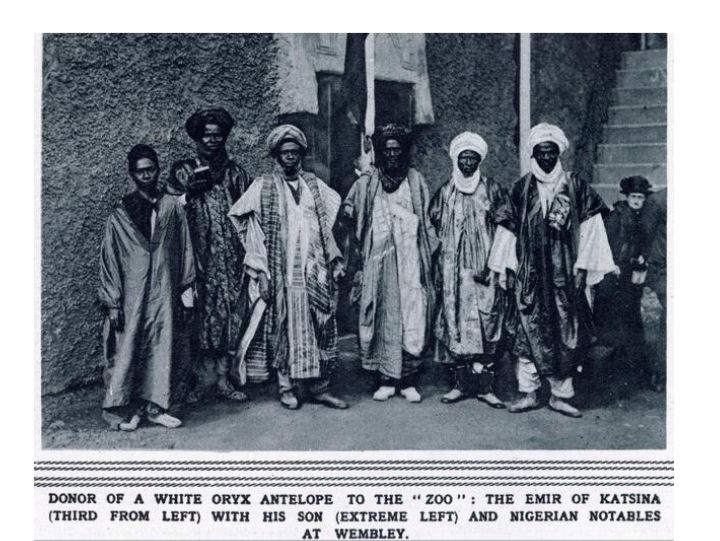

Historical Background
The Emir of Katsina is the traditional ruler of the Katsina Emirate, headquartered in Katsina State, northern Nigeria.
- The Katsina Kingdom dates back to the 14th century and is one of the historic Hausa Bakwai (Seven Hausa States).
- Katsina was a center of Islamic scholarship and trade, attracting scholars from Timbuktu, Kano, and beyond.
- In 1805, following the Sokoto Jihad of Usman dan Fodio, Katsina became part of the Sokoto Caliphate, and the Fulani dynasty of emirs was established.
Role and Authority
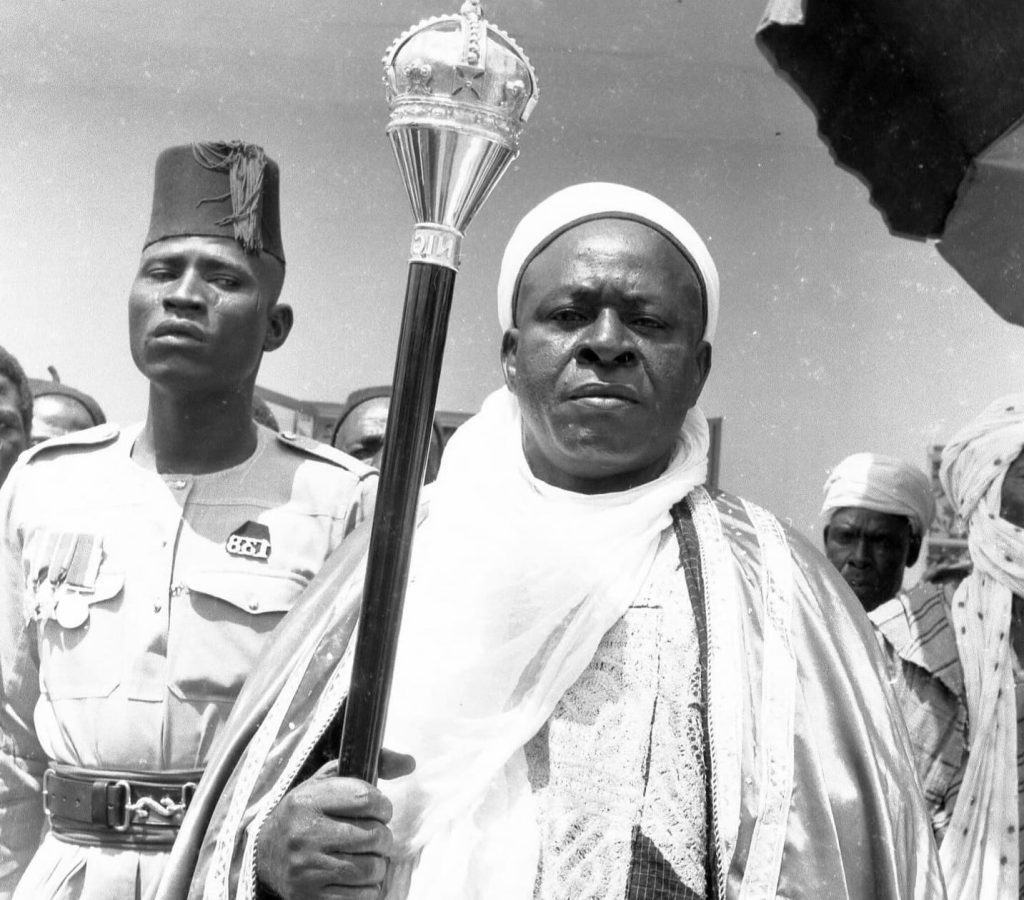
- Traditional Monarch: Head of the Katsina Emirate, custodian of Hausa-Fulani traditions and Islamic culture.
- Religious Leader: Oversees Islamic festivals, education, and Sharia practices in Katsina.
- Cultural Ambassador: Represents the Katsina people nationally and internationally.
- Mediator: Plays a role in promoting peace and development in Katsina State.
The Palace
- The Gidan Korau (Emir’s Palace, Katsina), built in the 14th century, is one of the oldest palaces in Nigeria.
- It stands as a symbol of the emirate’s ancient authority and Islamic scholarship.
Notable Emirs
Muhammadu Dikko (1906–1944)
- Modernized Katsina under colonial rule.
- Promoted education, including the establishment of Katsina Training College.
Emir Muhammadu Kabir Usman (1981–2008)
- Respected for his wisdom and long reign, he oversaw stability and cultural pride in Katsina.
Emir Abdulmumini Kabir Usman (2008–present)
- Installed in March 2008, succeeding his father, Emir Kabir Usman.
- Known for promoting education, peace, and cultural heritage.
- Works closely with political authorities to foster security and development in Katsina State.
Cultural Role Today
- Presides over Durbar festivals, particularly during Eid, where horsemen parade in colorful regalia.
- Supports Islamic learning and Qur’anic schools, maintaining Katsina’s reputation as a center of scholarship.
- Encourages modernization while preserving Hausa-Fulani traditions.
Legacy and Significance
- The Emirate of Katsina is a pillar of Hausa identity and Islamic learning in Nigeria.
- The throne remains one of the most respected monarchies in the north, second only to the Sultan of Sokoto in prestige.
- The Emir serves as a unifying figure in a state affected by modern challenges, including insecurity.
Conclusion
The Emir of Katsina is more than a monarch — he is the guardian of Hausa history, Islamic scholarship, and cultural continuity. From its origins as a medieval Hausa kingdom to its role in the Sokoto Caliphate and Nigeria today, the Katsina throne continues to shine as a beacon of learning, tradition, and authority.










Related Posts

Stay Informed With the Latest & Most Important News
Previous Post
Next Post


Advertisement

Donations






Loading Next Post...


