
Now Reading: Alhaji Abubakar Shehu Abubakar III: The 11th Emir of Gombe
1
-
01
Alhaji Abubakar Shehu Abubakar III: The 11th Emir of Gombe
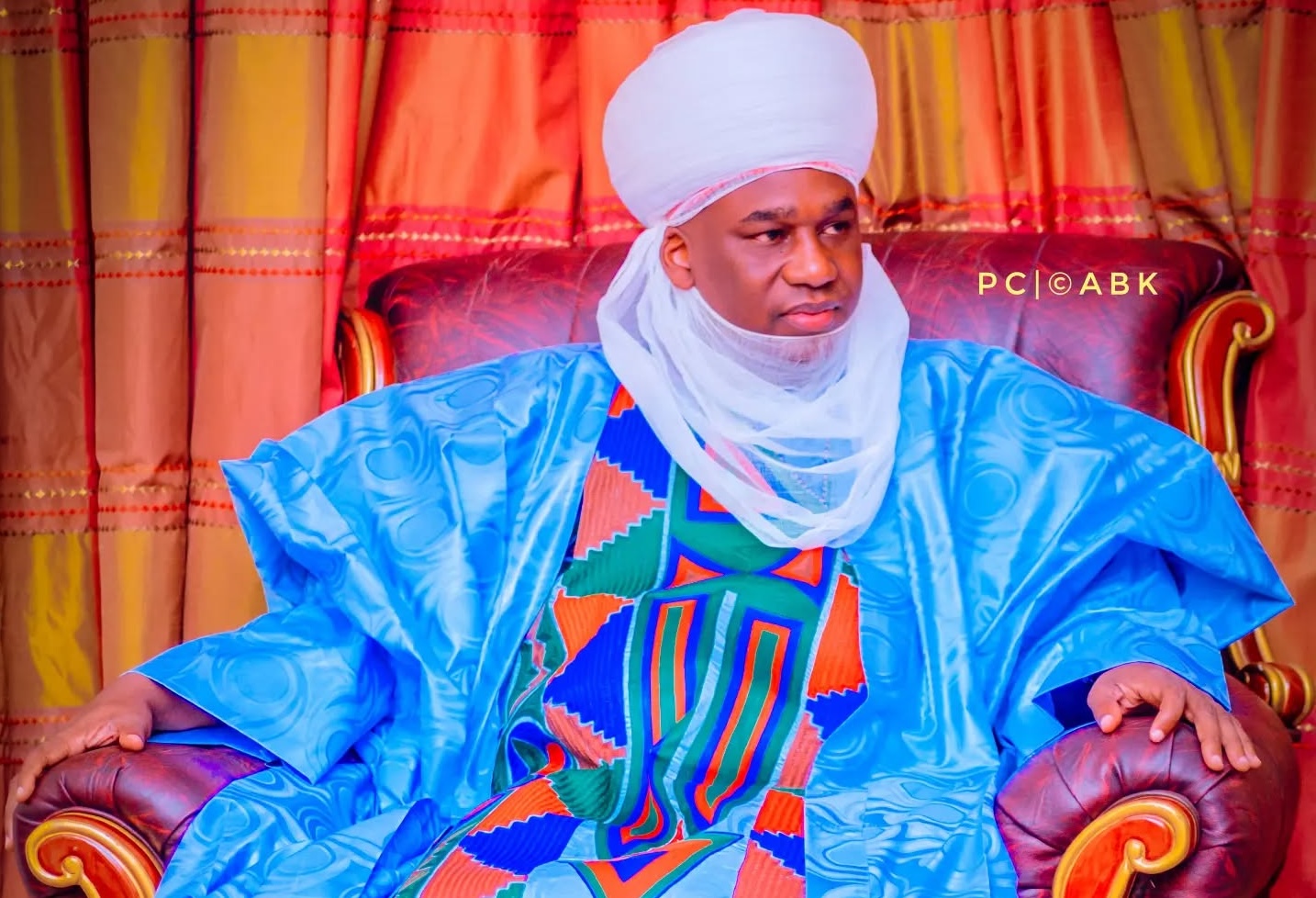
Alhaji Abubakar Shehu Abubakar III: The 11th Emir of Gombe

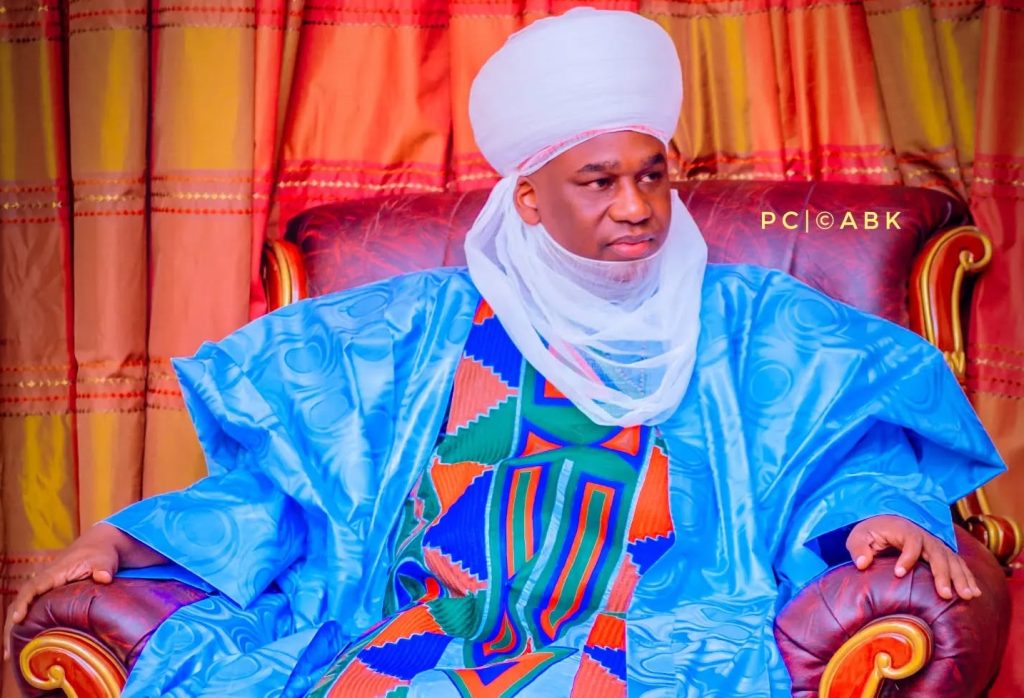
Early Life and Background
Abubakar Shehu Abubakar III was born on 17 December 1977 in Gombe, Northern Nigeria.
- He is the son of Emir Shehu Usman Abubakar II (1984–2014), the 10th Emir of Gombe.
- Belongs to the Bubayero dynasty, founded by Modibbo Bubayero, the Fulani scholar who established the Gombe Emirate in 1805 under the Sokoto Caliphate.
- Grew up in a household deeply rooted in Islamic faith, Fulani culture, and royal responsibility.
Education
- Attended Gombe Children’s Primary School and Government Science Secondary School, Gombe.
- Studied Political Science at the University of Maiduguri.
- Also underwent traditional and Islamic education, preparing him for his dual role as a modern and spiritual leader.
Career Before Ascension
- Worked briefly in public and private sectors after his studies.
- Served as an Administrative Officer at the Gombe State Civil Service.
- Gained experience in governance and administration before being called to the throne.
Ascension to the Throne
- On 6 June 2014, following the death of his father, Abubakar Shehu Abubakar III was installed as the 11th Emir of Gombe.
- At age 36, he became one of the youngest first-class traditional rulers in Nigeria.
Reign and Leadership
Custodian of Tradition
- Presides from the Emir’s Palace in Gombe, continuing the legacy of Modibbo Bubayero.
- Upholds Fulani customs, Islamic values, and the emirate council’s authority.
Advocate for Education and Youth Empowerment
- Strong promoter of formal, vocational, and Islamic education.
- Supports youth development initiatives, entrepreneurship, and skills training in Gombe State.
Peacebuilding
- Advocates for peace and unity in a diverse state with Fulani, Tangale, Tera, Hausa, and other ethnic groups.
- Promotes interfaith dialogue to reduce tensions between Muslims and Christians in the northeast.
- Engages in conflict resolution during communal disputes.
National Influence
- Member of the Northern Traditional Rulers’ Council.
- Active in the National Council of Traditional Rulers of Nigeria, contributing to national discussions on peace and cultural preservation.
- Works closely with the Sultan of Sokoto and other senior emirs.
Cultural Role
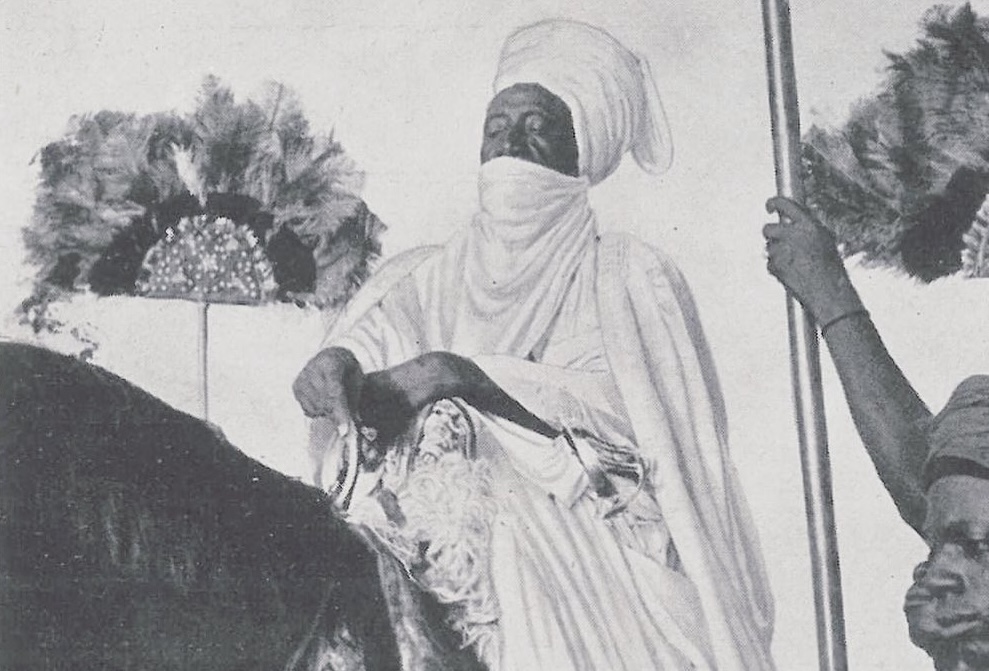
- Presides over Durbar Festivals during Eid celebrations, showcasing Fulani horsemanship and regalia.
- Promotes preservation of Fulfulde language, traditional dress, and music.
Personal Traits
- Known for his youthful energy, humility, and modern outlook.
- Seen as approachable and committed to blending tradition with modern leadership.
Legacy and Significance (So Far)
- Embodies the new generation of traditional rulers in Nigeria.
- Strengthened the role of the Gombe Emirate as a symbol of unity and cultural pride.
- Serves as a bridge between traditional authority and modern governance, particularly in education and peacebuilding.
Conclusion
Alhaji Abubakar Shehu Abubakar III, the 11th Emir of Gombe since 2014, is more than a monarch — he is a modern custodian of Fulani-Islamic heritage, a voice for peace, and a champion of education and youth empowerment. His reign symbolizes renewal, resilience, and continuity of one of Northern Nigeria’s most respected emirates.










Related Posts

Stay Informed With the Latest & Most Important News
Previous Post
Next Post

Advertisement

Donations






Loading Next Post...


