
Now Reading: Alhaji Muhammad Iliyasu Bashar: The Emir of Gwandu
1
-
01
Alhaji Muhammad Iliyasu Bashar: The Emir of Gwandu


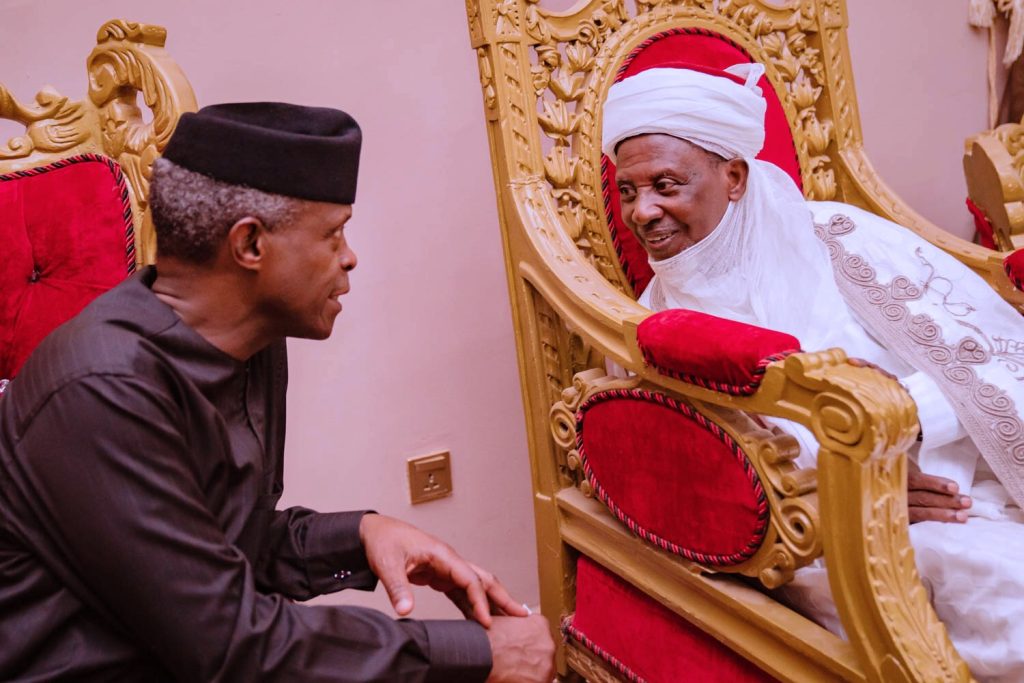
Early Life and Background
Alhaji Muhammad Iliyasu Bashar was born in 1940 in Birnin Kebbi, Kebbi State, Nigeria.
- He hails from the Gwandu royal family, direct descendants of Abdullahi Fodio, the brother of Shehu Usman dan Fodio, founder of the Sokoto Caliphate.
- This makes him part of a lineage that has preserved Islamic authority and governance in northwestern Nigeria for over 200 years.
Education and Military Career
- Received both Islamic and Western education in Kebbi State.
- Trained at the Nigerian Military Training College and furthered his training abroad.
- Served in the Nigerian Army, where he rose to the rank of Major before retiring.
- His military career gave him discipline, leadership skills, and national exposure.
Ascension to the Throne
- On 20 June 2005, he was appointed as the Emir of Gwandu by the Kebbi State Government.
- He succeeded Alhaji Mustapha Haruna Jokolo, who had been deposed earlier that year.
- His enthronement was welcomed as a return to stability in the Gwandu Emirate.
Reign and Leadership
Custodian of Tradition
- As Emir, he upholds the spiritual and cultural legacy of Abdullahi Fodio, maintaining Gwandu’s historic role as the second seat of the Sokoto Caliphate.
- Presides over traditional councils and Islamic festivals in Kebbi State.
Promoter of Education and Peace
- Strong advocate for education, particularly Islamic and Western education for youth.
- Encourages peacebuilding and conflict resolution in a region sometimes affected by insecurity.
- Supports development initiatives in health, agriculture, and cultural preservation.
National Influence
- Plays an active role in the Northern Traditional Rulers’ Council, working alongside the Sultan of Sokoto and other emirs.
- Respected as a voice of moderation, wisdom, and diplomacy in Nigeria.
Personal Traits
- Known for his calm and disciplined personality, shaped by both royal heritage and military background.
- A respected elder statesman in Kebbi and the wider northern region.
Legacy and Significance (So Far)
- Continues the El-Kanemi and Fodio legacy, maintaining Gwandu’s place in the Sokoto Caliphate hierarchy.
- Symbol of stability, cultural pride, and Islamic tradition in Kebbi State.
- His reign reinforces the endurance of traditional monarchies in Nigeria’s democratic system.
Conclusion
Alhaji Muhammad Iliyasu Bashar, the Emir of Gwandu since 2005, is more than a monarch — he is a custodian of history, a bridge between tradition and modernity, and a guardian of Islamic learning in northwestern Nigeria. With his background as a military officer and royal leader, he embodies the strength, discipline, and cultural pride of the Gwandu Emirate.










Related Posts

Stay Informed With the Latest & Most Important News
Previous Post
Next Post


Advertisement

Donations







Loading Next Post...


