
Now Reading: Amanyanabo of Bonny: Monarch of the Ancient Bonny Kingdom
1
-
01
Amanyanabo of Bonny: Monarch of the Ancient Bonny Kingdom
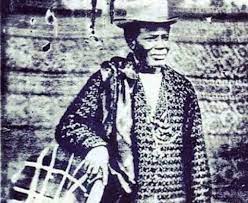
Amanyanabo of Bonny: Monarch of the Ancient Bonny Kingdom

Historical Background
The Amanyanabo of Bonny is the traditional ruler of the Bonny Kingdom, located in Rivers State, Nigeria.
- The Bonny Kingdom, also called Okoloama, was founded around the 11th–12th century by Ndoli, a leader of the Ijaw/Igbo ancestry who migrated to the Niger Delta.
- By the 15th century, Bonny had become one of the most powerful trading states on the West African coast.
- It was a hub for the Atlantic trade, first in slaves and later in palm oil, establishing connections with the Portuguese, Dutch, and British.
- Bonny played a decisive role in Niger Delta politics, often rivaling Opobo (founded later by King Jaja, a Bonny prince).
Meaning of the Title
- Amanyanabo translates to “Owner of the Land” or “King” in the Ijaw/Ibani language.
- The Amanyanabo is both a spiritual head and political leader, representing the unity and identity of the Bonny people.
The Palace and Institutions
- The Amanyanabo resides in the Bonny Royal Palace, which has historically been the center of Ibani authority.
- Works with the Bonny Chiefs’ Council, a powerful advisory body.
Notable Monarchs
King Perekule I (1714–1754)
- Founder of the Perekule dynasty, which still rules Bonny today.
- Strengthened the kingdom’s trading influence in the Atlantic economy.
King William Dappa Pepple I (1830–1854)
- Expanded Bonny’s international trade with Europeans.
- Advocated for modernization and diplomacy.
King George Pepple (1854–1889)
- Promoted Christianity and Western education.
- His reign coincided with increasing British colonial influence.
Current Amanyanabo: King Edward Asimini William Dappa Pepple III
- Installed in 1996, he is the current Amanyanabo and Natural Ruler of Grand Bonny Kingdom.
- Belongs to the historic Perekule royal dynasty.
- Has worked to strengthen Bonny’s role as both a cultural and economic hub, especially with the presence of the Nigeria Liquefied Natural Gas (NLNG) project on Bonny Island.
Reign and Leadership
Custodian of Tradition
- Preserves Bonny’s rich heritage, rituals, and Ibani culture.
- Oversees annual traditional ceremonies, including the Bonny Cultural Festival.
Modernization and Development
- Advocates for the integration of Bonny’s traditional institutions into Nigeria’s modern governance.
- Promotes education, health, and infrastructure development for Bonny Kingdom.
National and International Role
- Influential member of the Rivers State Council of Traditional Rulers and the National Council of Traditional Rulers of Nigeria.
- Engages in diplomacy with oil and gas companies, ensuring local benefits from international investments.
Cultural Significance
- The Amanyanabo throne is a symbol of Niger Delta resilience and prestige.
- Bonny remains a strategic center of commerce and culture, blending ancient traditions with modern global trade.
Legacy and Significance
- The Amanyanabo of Bonny embodies over 900 years of continuous monarchy, making it one of the most enduring royal thrones in Africa.
- Symbolizes the fusion of Ijaw identity, Atlantic trade history, and modern global relevance.
- Under King Edward Dappa Pepple III, Bonny is both a heritage center and a global energy hub.
Conclusion
The Amanyanabo of Bonny is more than a monarch — he is the guardian of one of Africa’s most ancient kingdoms, custodian of Ibani traditions, and a cultural diplomat for the Niger Delta. From the powerful King Perekule dynasty to King Edward Dappa Pepple III today, the throne of Bonny remains a beacon of history, unity, and pride in southern Nigeria.










Related Posts

Stay Informed With the Latest & Most Important News
Previous Post
Next Post
Advertisement

Donations






Loading Next Post...


