Now Reading: Banky W.: Nigeria’s King of R&B and Mentor of Stars
-
01
Banky W.: Nigeria’s King of R&B and Mentor of Stars
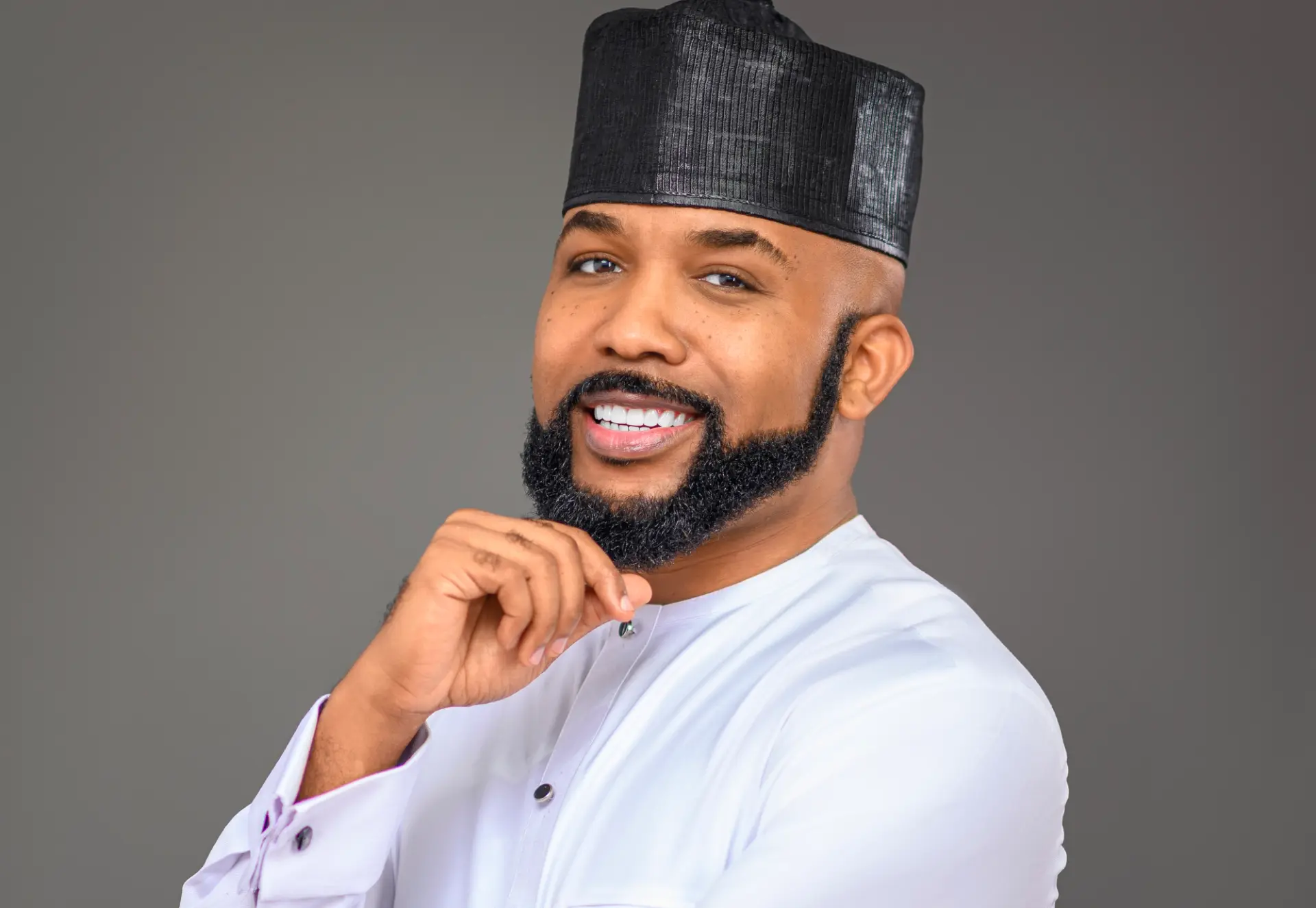

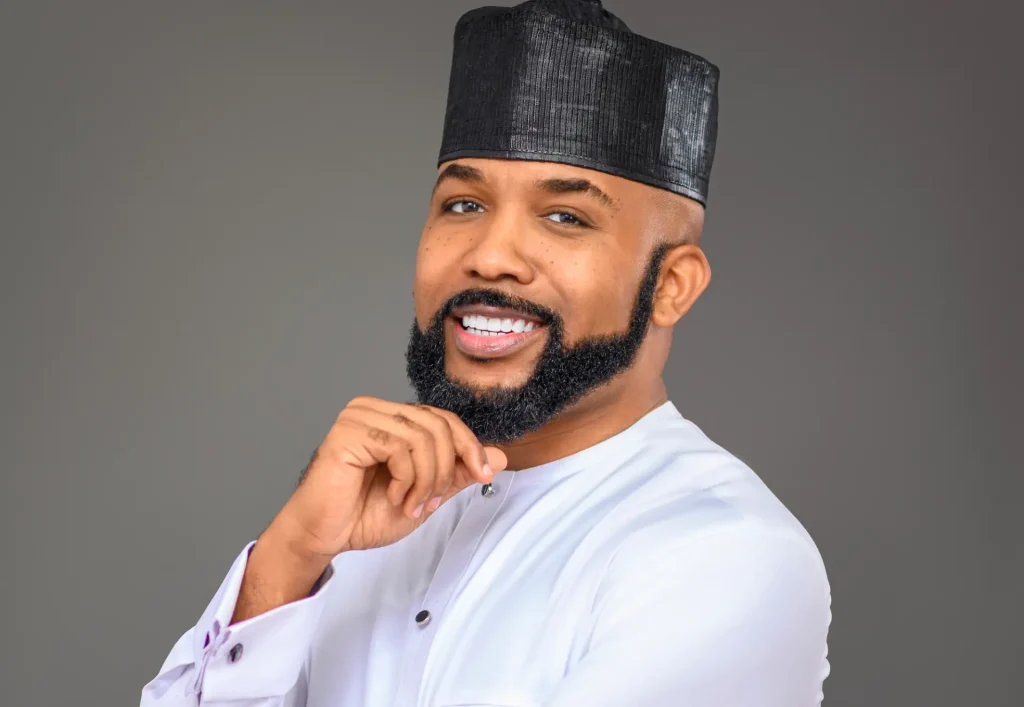
Early Life and Background
Olubankole Wellington, popularly known as Banky W., was born on 27 March 1981 in the United States to Nigerian parents from Lagos State. His family returned to Nigeria when he was 5 years old, and he grew up in Lagos before later moving back to the U.S. for higher education.
Banky W. studied Industrial Engineering at Rensselaer Polytechnic Institute (RPI), New York, where he honed his passion for music by performing at local shows and talent contests.
Musical Career
Early Years in the U.S.
Banky W. began his career in New York, releasing his first album Undeniable (2003) under his own label, Empire Mates Entertainment (E.M.E.). The album gained traction among African communities abroad and marked the beginning of his independent, entrepreneurial path.
Breakthrough in Nigeria
In 2009, he returned to Nigeria to grow his label E.M.E., which soon became one of the most influential in Nigerian music.
His 2008 album Mr. Capable established him as Nigeria’s new R&B star with songs like Capable and Ebute Metta (a creative Nigerian remix of Jay-Z’s “Welcome to New York City”).
By 2009, his album The W Experience further cemented his place, featuring hits like Strong Ting and Lagos Party.
E.M.E. Legacy
Beyond his own music, Banky W. is credited for discovering and mentoring some of Nigeria’s biggest stars, including Wizkid, Skales, and Niyola, through E.M.E. The label released one of Nigeria’s most famous compilation albums, Empire Mates State of Mind (2012), featuring smash hits like Baddest Boy and Dance for Me.
Transition and New Phases
After E.M.E. pivoted from music to a talent management/creative agency in 2018, Banky W. shifted focus to entrepreneurship, filmmaking, and politics. Still, he occasionally releases inspirational and love songs, maintaining his R&B roots.
Style and Influence
Banky W.’s artistry is defined by:
- Smooth R&B vocals with soul and gospel influences,
- Love ballads and uplifting inspirational tracks,
- Fusion of Western R&B with African storytelling,
- His image as a “gentleman artist” with lyrical depth.
He is also admired for his ability to nurture talent and build lasting brands in the Nigerian music industry.
Discography
Studio Albums
- Undeniable (2003)
- Back in the Building (2005)
- Ebute Metta
- Capable
- Mr. Capable (2008)
- Capable
- Till My Dying Day
- The W Experience (2009)
- Strong Ting
- Lagos Party
- Follow You Go
Extended Plays (EPs)
- Songs About U (2017)
- Heaven (Susu’s Song)
- Love U Baby
- Running After U
Selected Hit Singles
- Ebute Metta (2008)
- Capable (2008)
- Lagos Party (2009)
- Strong Ting (2010)
- Yes/No (2012)
- Made for You (2016)
- Running After U (feat. Nonso Amadi, 2017)
Awards and Recognition
- Headies Awards – Best R&B Single (Strong Ting, 2010).
- Nigeria Entertainment Awards – R&B Artiste of the Year.
- Recognized as one of the pioneers of modern Nigerian R&B.
- Celebrated for his contributions to the success of Wizkid and other Afrobeats stars.
Beyond Music
Banky W. is also:
- An actor and filmmaker, starring in The Wedding Party (2016), one of Nigeria’s biggest box office films.
- A philanthropist, running the Banky W. Foundation for education and health causes.
- A politician, having contested for a seat in Nigeria’s House of Representatives (2019 & 2023) under different parties, running on platforms of youth empowerment and good governance.
Conclusion
Banky W. is more than a singer—he is a pioneer, mentor, and cultural figure in Nigeria’s music and entertainment industry. With his soulful R&B hits, leadership in discovering stars like Wizkid, and his ventures into film, business, and politics, he remains a true example of versatility and vision in Nigerian pop culture.










Related Posts

Stay Informed With the Latest & Most Important News
Previous Post
Next Post

Advertisement