
Now Reading: Beginner’s Guide to Selling on Jumia & Konga
1
-
01
Beginner’s Guide to Selling on Jumia & Konga
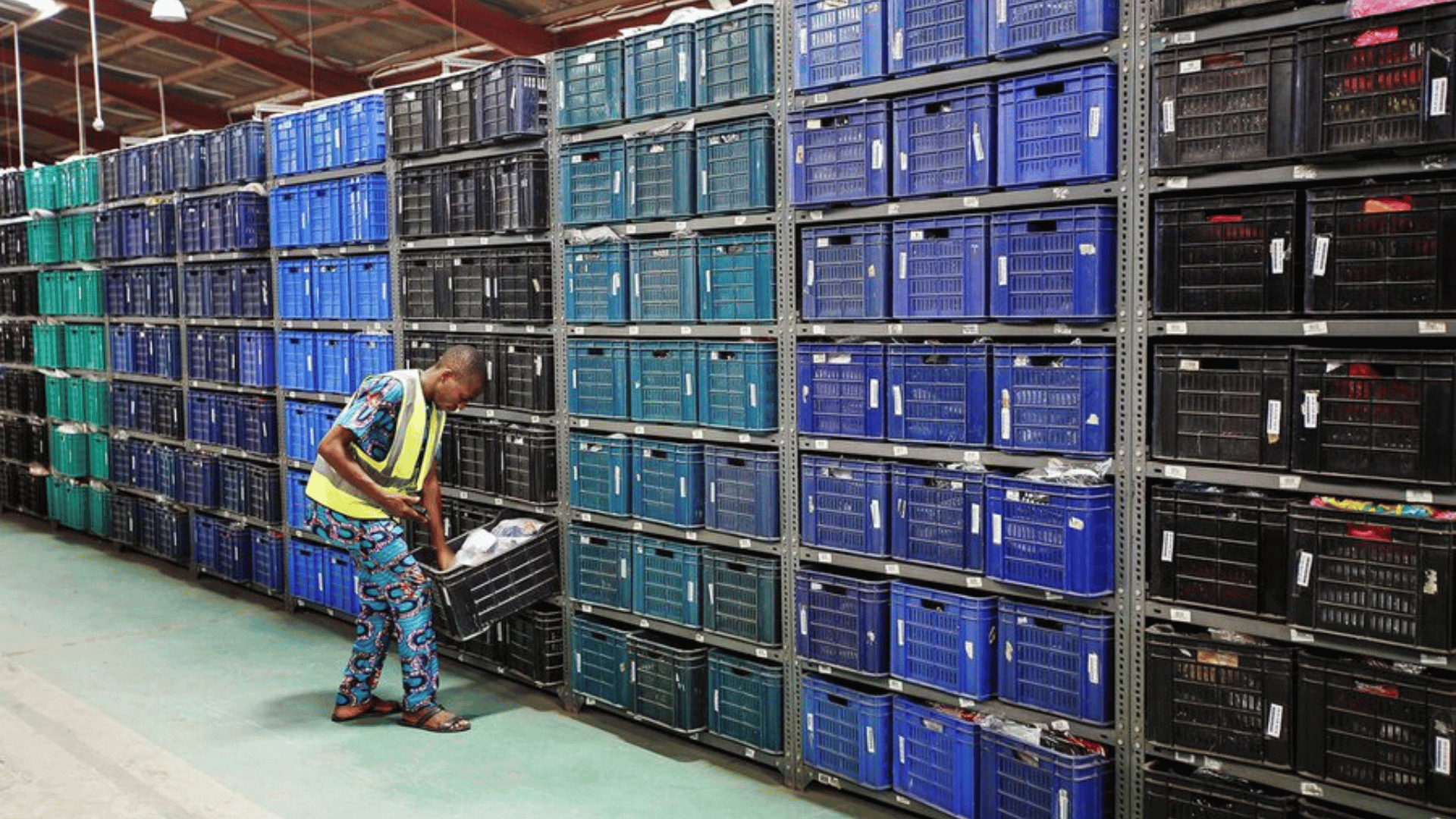

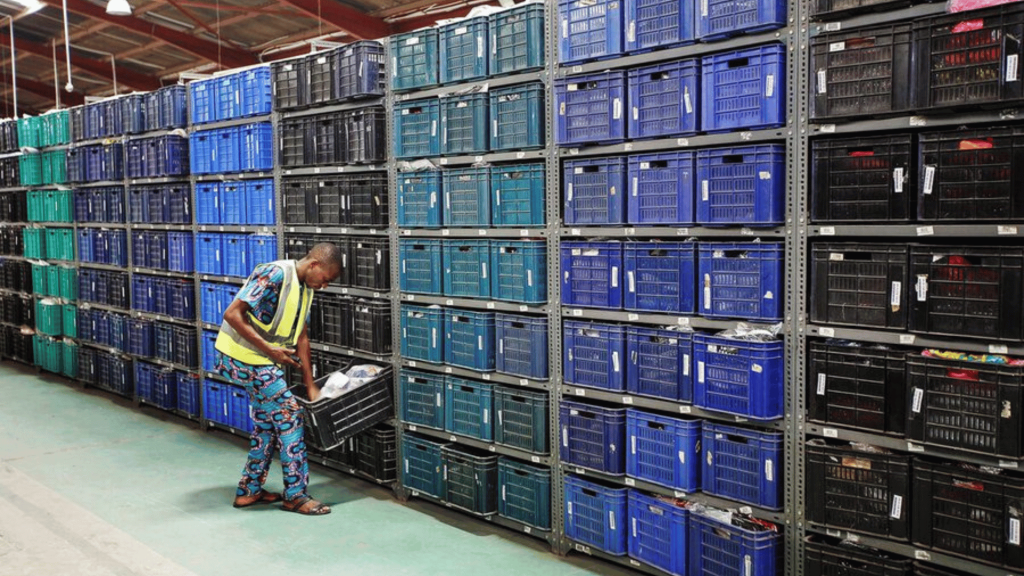
How Nigerians Can Start Their Own Online Shop
Nigeria’s e-commerce boom is not only for shoppers — it’s also an opportunity for entrepreneurs. Platforms like Jumia and Konga allow individuals and businesses to sell products online to millions of customers. If you want to launch your own digital shop, here’s a simple step-by-step guide.
🟢 Step 1: Decide What to Sell
- Popular categories: fashion, phones, electronics, beauty products, groceries, household items.
- Choose products that are in-demand, easy to source, and profitable.
- ✅ Pro tip: Start with a small inventory and scale up.
🟠 Step 2: Register as a Seller
On Jumia:
- Visit 👉 Jumia Seller Center.
- Sign up as an individual or business seller.
- Provide:
- Business name & details.
- Bank account (for payments).
- Valid ID / CAC registration (if a business).
On Konga:
- Visit 👉 Konga Seller HQ.
- Register with your email and business details.
- Provide:
- Bank account info.
- Valid ID / CAC certificate (if available).
🔵 Step 3: Set Up Your Online Store
- Upload clear product photos (high quality, multiple angles).
- Write detailed product descriptions (features, size, warranty, usage).
- Set competitive prices (check competitors’ prices on the same platform).
🟣 Step 4: Manage Orders & Delivery
- Jumia:
- You can deliver via Jumia’s logistics partners (Jumia Express) or self-delivery.
- Jumia handles payments and releases money to your seller account.
- Konga:
- Works with K-Express logistics.
- Sellers can also deliver directly if needed.
✅ Tip: Fast delivery = better ratings.
🟡 Step 5: Get Paid 💵
- Jumia and Konga deposit earnings directly into your Nigerian bank account.
- Payment cycle depends on sales and platform rules (weekly/bi-weekly).
🟤 Step 6: Grow Your Store
- Promotions: Join Jumia’s “Black Friday” or Konga’s campaigns for visibility.
- Customer Service: Respond quickly to messages. Good reviews = more sales.
- Expand: Add more product lines once you’re confident in sales flow.
⚠️ Common Mistakes to Avoid
- Poor product photos → low sales.
- Wrong descriptions → customer complaints/returns.
- Overpricing → customers go to competitors.
- Slow delivery → bad ratings, account suspension.
✅ Conclusion
Selling on Jumia and Konga is one of the fastest ways for Nigerians to enter e-commerce. With just a smartphone and internet connection, you can open a store, reach thousands of customers, and grow your business.
✨ Start small, stay consistent, and use Jumia & Konga’s wide reach to build your own online empire.










Related Posts


Stay Informed With the Latest & Most Important News
Previous Post
Next Post
Previous Post
Next Post

Advertisement

Donations




Loading Next Post...


