Now Reading: Coups, Assassinations, and the Road to War: How 1966 Shaped Nigeria’s Civil Conflict
-
01
Coups, Assassinations, and the Road to War: How 1966 Shaped Nigeria’s Civil Conflict
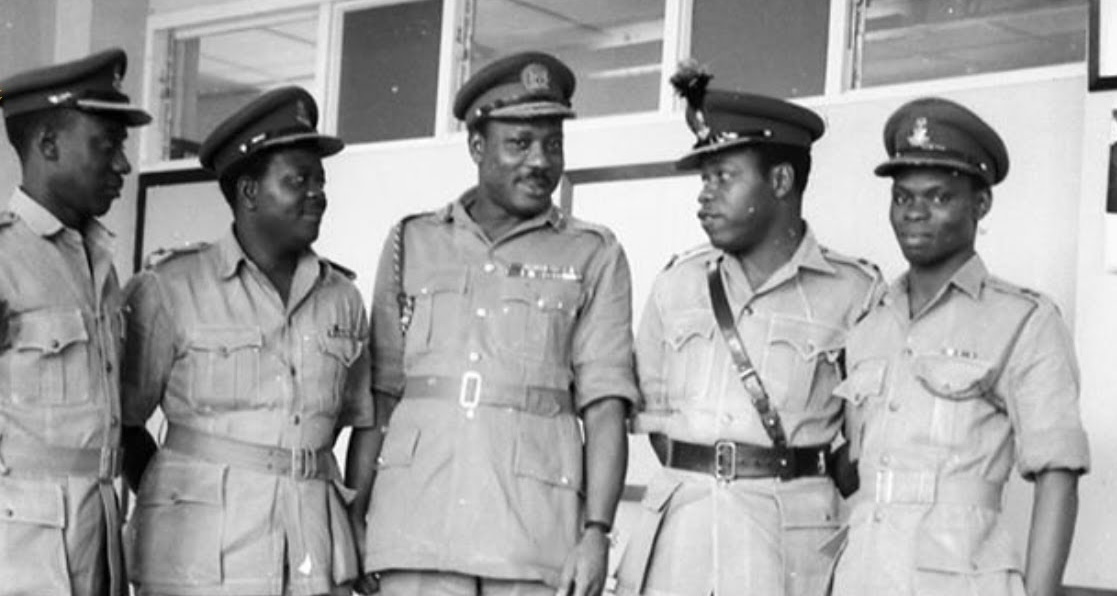
Coups, Assassinations, and the Road to War: How 1966 Shaped Nigeria’s Civil Conflict

(Part of the Nigeria234.com Civil War Series (1966–1970))
📝 Introduction
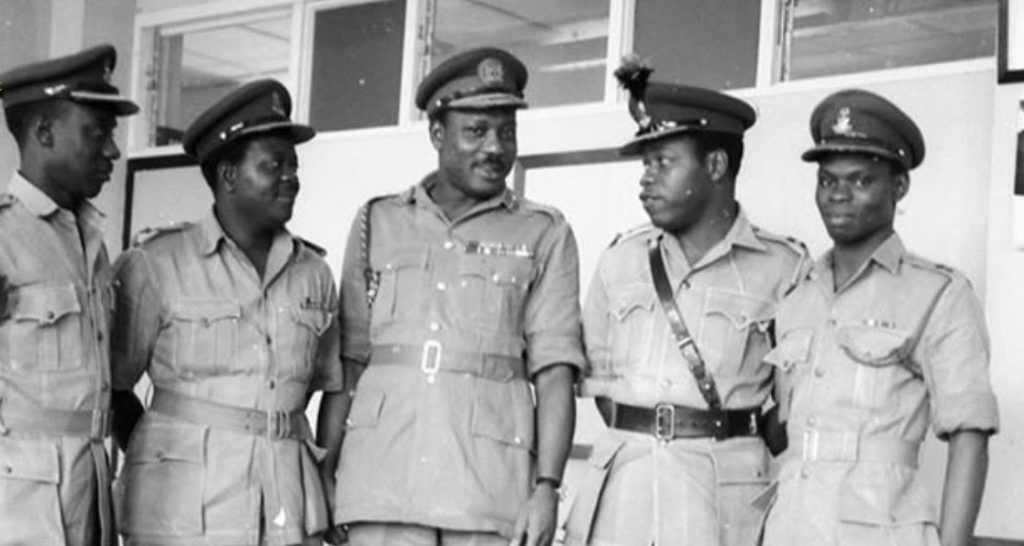
The Nigerian Civil War (1967–1970) did not erupt out of nowhere. It was born out of a year of political chaos in 1966, when Nigeria witnessed two coups, the assassination of key leaders, and the collapse of trust between regions. The killings of General Aguiyi-Ironsi, Colonel Adekunle Fajuyi, and Prime Minister Tafawa Balewa were not just personal tragedies — they lit the fuse that exploded into full-scale war.
🔪 The First Coup – January 1966
- On January 15, 1966, young army majors, led by Chukwuma Kaduna Nzeogwu, launched Nigeria’s first military coup.
- Political leaders targeted included:
- Sir Abubakar Tafawa Balewa (Prime Minister) – assassinated.
- Sir Ahmadu Bello (Premier of Northern Region) – assassinated.
- Chief Samuel Akintola (Premier of Western Region) – assassinated.
- Chief Festus Okotie-Eboh (Finance Minister) – assassinated.
- The coup failed, but it shook Nigeria to its core.
Aftermath
- General Johnson Aguiyi-Ironsi, Nigeria’s first indigenous Army Commander, assumed power.
- Many Northerners saw the coup as an Igbo conspiracy, since most of the plotters were Igbo, while most of the victims were Northern and Western leaders.
⚡ The Unification Decree and Rising Tensions
- Ironsi tried to stabilize Nigeria but worsened tensions with Decree No. 34, which replaced Nigeria’s federal system with a unitary government.
- Northerners feared domination by the Igbo elite.
- Rumors of revenge spread across the North, creating an atmosphere of suspicion and anger.
🔪 The Counter-Coup – July 1966
- On July 29, 1966, Northern officers staged a counter-coup.
- General Aguiyi-Ironsi was in Ibadan, staying with Colonel Adekunle Fajuyi, the Military Governor of Western Region.
- Mutinous soldiers abducted both men.
Fajuyi’s Choice
- Offered the chance to step aside, Fajuyi refused to abandon Ironsi.
- Declared he would share his guest’s fate.
- Both men were tortured and executed — their bodies later discovered in a shallow grave.
⚡ The Fallout
- The July coup installed Lt. Col. Yakubu Gowon as Nigeria’s new Head of State.
- In the North, anti-Igbo pogroms erupted — thousands of Igbos were massacred in Northern cities.
- The killings caused mass migration of Igbos back to the East.
- Trust between the regions completely collapsed.
🕊️ How 1966 Led to War
- The assassinations of January and July 1966 deepened ethnic divisions.
- Northerners felt the January coup was an Igbo plot; Igbos felt betrayed by the massacre of their people after July.
- The killing of leaders like Balewa, Ahmadu Bello, Akintola, Ironsi, and Fajuyi removed voices who might have mediated peace.
- Nigeria descended into cycles of suspicion and vengeance that made secession almost inevitable.
💬 Reflection
“1966 was the year Nigeria lost its innocence. With every bullet fired at leaders, trust in unity died a little more.”
🌟 Conclusion
The coups and assassinations of 1966 created the perfect storm for civil war. The deaths of Ironsi and Fajuyi symbolized loyalty and betrayal, while the massacres of Igbos turned political rivalry into ethnic conflict. By 1967, when Ojukwu declared Biafra, Nigeria was already too wounded to pull back from war.










Related Posts
Stay Informed With the Latest & Most Important News
Previous Post
Next Post

Advertisement