
Now Reading: Emir of Gwandu: Custodian of Western Caliphate Authority
1
-
01
Emir of Gwandu: Custodian of Western Caliphate Authority

Emir of Gwandu: Custodian of Western Caliphate Authority


Historical Background
The Emir of Gwandu is the paramount traditional ruler of the Gwandu Emirate, located in Kebbi State, northwestern Nigeria.
- The emirate was founded in the early 19th century during the Sokoto Jihad of Shehu Usman dan Fodio.
- Usman dan Fodio entrusted his brother, Abdullahi Fodio, with authority over the western part of the Caliphate, centered in Gwandu.
- Thus, Gwandu became the seat of western Caliphate administration, while Sokoto remained the overall capital under the Sultan.
Role and Authority
- The Emir of Gwandu is traditionally regarded as the second in command of the Sokoto Caliphate hierarchy, after the Sultan of Sokoto.
- Historically controlled territories covering parts of today’s Kebbi, Niger, Kwara, and even into Benin Republic.
- Presides over Islamic, cultural, and administrative affairs in Kebbi State.
- A respected religious and cultural authority in northern Nigeria.
The Palace
- The Gwandu Emir’s Palace in Birnin Kebbi is both a political and spiritual seat, symbolizing the emirate’s role in Islamic history.
Notable Emirs
Abdullahi Fodio (1805–1817)
- Brother of Usman dan Fodio and first Emir of Gwandu.
- A scholar, poet, and statesman, he consolidated Caliphate authority in the western provinces.
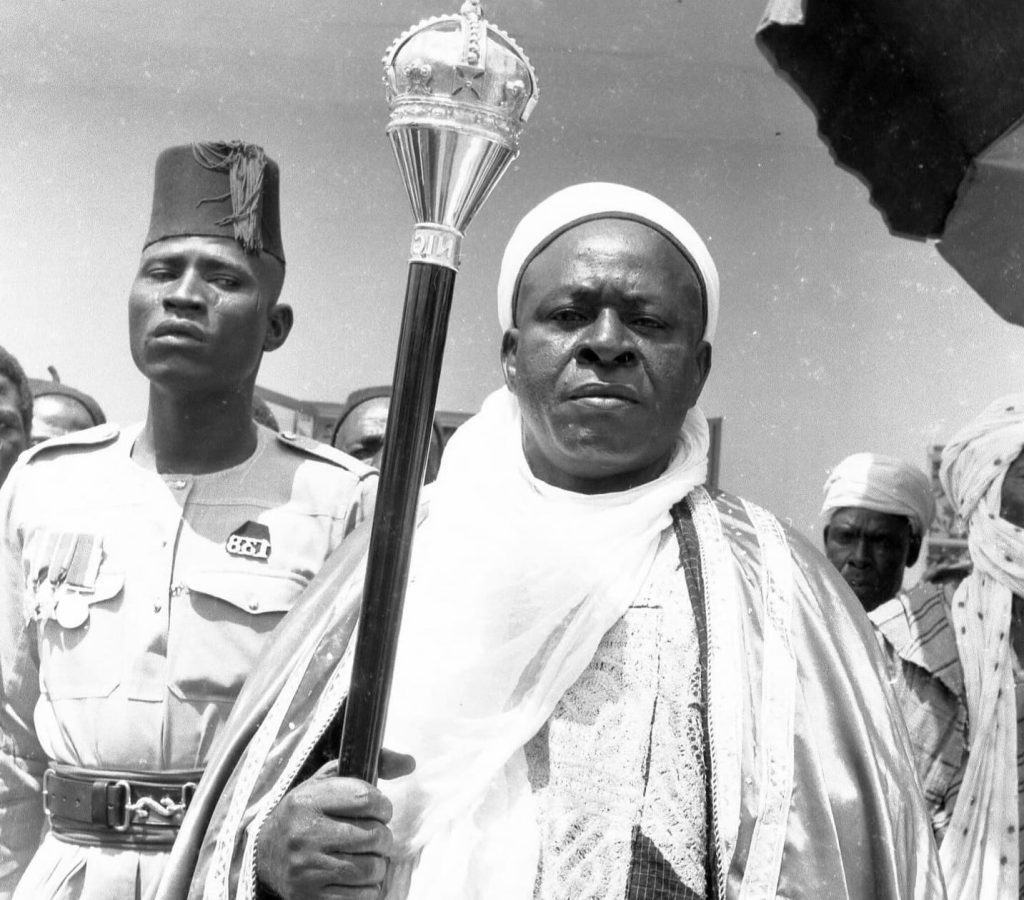
Emir Haliru Abdu (1959–2001)
- Reigned for 42 years, respected for stability and modernization in Gwandu.
- Played a prominent role in Nigerian traditional councils.
Emir Muhammadu Ilyasu Bashar (2005–present)
- Born in 1940, a retired Major in the Nigerian Army.
- Appointed Emir of Gwandu on 20 June 2005, succeeding Mustapha Haruna Jokolo.
- Known for his diplomacy, Islamic scholarship, and promotion of education and peace in Kebbi State.
Cultural Role Today
- Presides over Islamic festivals, Durbar celebrations, and traditional councils in Kebbi.
- Acts as a key voice in the Northern Traditional Rulers’ Council, alongside the Sultan of Sokoto and other emirs.
- Promotes peacebuilding, interfaith dialogue, and education.
Legacy and Significance
- The Emirate of Gwandu remains a pillar of Sokoto Caliphate history, representing Abdullahi Fodio’s legacy.
- The throne is a symbol of Islamic scholarship, authority, and governance in northwestern Nigeria.
- Continues to play a role in unifying traditional leadership with Nigeria’s modern state system.
Conclusion
The Emir of Gwandu is more than a monarch — he is the second spiritual pillar of the Sokoto Caliphate, a custodian of Islamic tradition, and a guardian of Kebbi’s cultural heritage. From Abdullahi Fodio’s founding leadership to Emir Muhammadu Ilyasu Bashar today, the throne remains a beacon of history, scholarship, and continuity in northern Nigeria.










Related Posts

Stay Informed With the Latest & Most Important News
Previous Post
Next Post


Advertisement

Donations






Loading Next Post...


