
Now Reading: Emir of Kano: Custodian of Tradition and Islamic Learning
1
-
01
Emir of Kano: Custodian of Tradition and Islamic Learning

Emir of Kano: Custodian of Tradition and Islamic Learning

Historical Background
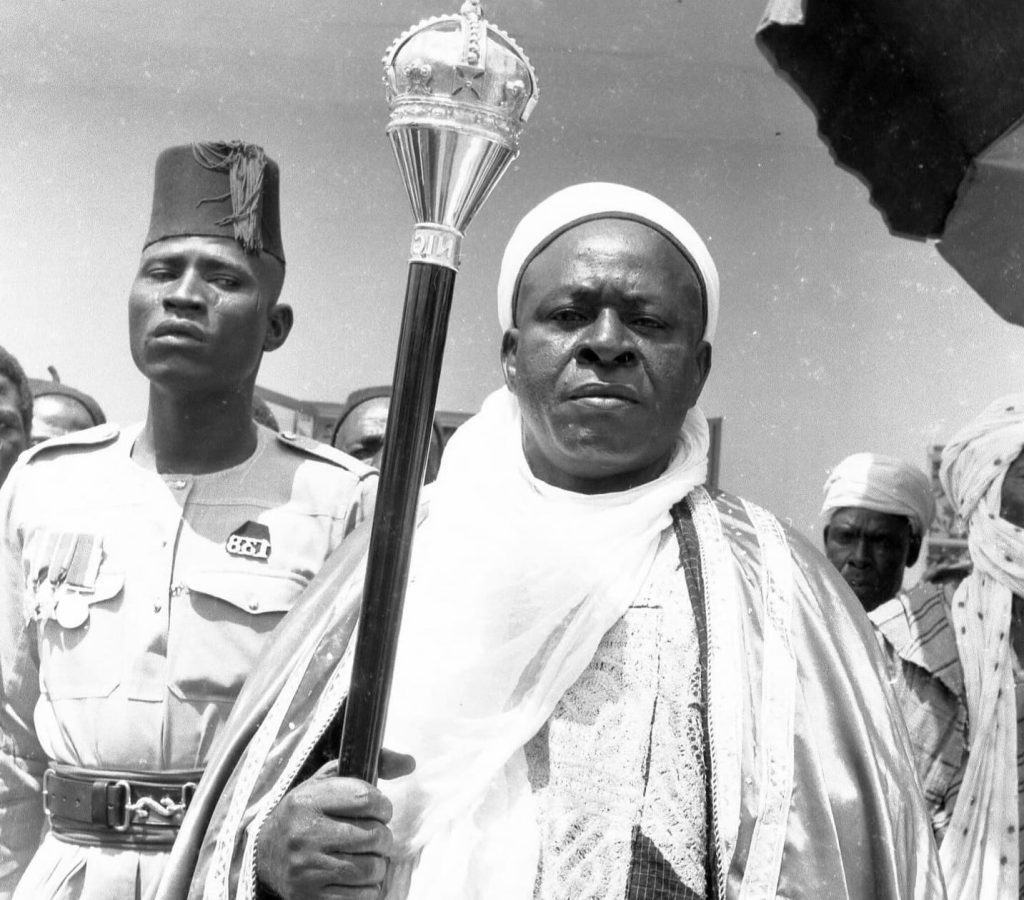
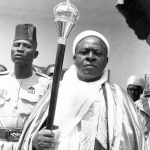
The Emir of Kano is the traditional ruler of the Kano Emirate, based in Kano State, northern Nigeria.
- The Kano Emirate was established in 1805 after the Fulani Jihad of Usman dan Fodio, when the old Hausa Kingdom of Kano was incorporated into the Sokoto Caliphate.
- Since then, the Emir has been both a spiritual leader and cultural authority, upholding Islamic traditions, education, and Hausa-Fulani heritage.
Role and Authority
- Religious Leader: Oversees Islamic institutions and festivals in Kano.
- Cultural Custodian: Preserves Hausa-Fulani customs, dress, language, and ceremonies.
- Political Influence: Although Nigeria is a republic, the Emir remains one of the most influential monarchs in the north.
- Community Builder: Plays a key role in conflict resolution, education, and poverty alleviation.
The Palace
- The Emir resides in the Gidan Rumfa (Emir’s Palace), built in the 15th century by Sultan Muhammadu Rumfa, making it one of the oldest palaces in Nigeria still in use.
Notable Emirs
Emir Abdullahi Bayero (1926–1953)
- Modernized the emirate, supported Western education, and opened Kano to new development.
Emir Ado Bayero (1963–2014)
- Reigned for over 50 years, one of the longest-serving and most respected Emirs in Nigeria.
- Known for his diplomacy, modernization efforts, and role as a national statesman.
Emir Muhammadu Sanusi II (2014–2020)
- Former Governor of the Central Bank of Nigeria.
- Known for bold reforms, advocacy for education (especially for girls), and outspoken criticism of corruption.
- Deposed in March 2020, sparking national and international debate about tradition and politics.
Emir Aminu Ado Bayero (2020–present)
- Installed on 9 March 2020, son of Emir Ado Bayero.
- Known for his calm, diplomatic leadership and efforts to preserve Kano’s prestige.
- Promotes peace, education, and youth empowerment in Kano.
Cultural Role Today
- Presides over the Durbar Festival, held during Eid celebrations, showcasing Hausa-Fulani horsemanship, music, and regalia.
- Symbol of unity for millions of Kano residents and Hausa-Fulani people worldwide.
- Engages in interfaith dialogue and peacebuilding in northern Nigeria.
Legacy and Significance
- The Emir of Kano is one of the most prominent monarchs in Nigeria, second only to the Sultan of Sokoto in Islamic authority.
- Represents centuries of Hausa-Fulani political and religious heritage.
- The Kano Emirate remains a bridge between Nigeria’s history and its modern democracy.
Conclusion
The Emir of Kano is more than a monarch — he is a symbol of tradition, learning, and cultural pride. From the long reign of Ado Bayero to the reforms of Sanusi II and the current diplomacy of Aminu Ado Bayero, the throne of Kano continues to command respect as one of the most powerful and influential royal seats in Africa.










Related Posts

Stay Informed With the Latest & Most Important News
Previous Post
Next Post

Advertisement

Donations






Loading Next Post...


