
Now Reading: Emir of Zazzau (Zaria): Custodian of the Ancient Zazzau Kingdom
1
-
01
Emir of Zazzau (Zaria): Custodian of the Ancient Zazzau Kingdom
Emir of Zazzau (Zaria): Custodian of the Ancient Zazzau Kingdom

Historical Background
The Emir of Zazzau (also called Zaria) is the traditional ruler of the Zazzau Emirate, headquartered in Zaria, Kaduna State, Nigeria.
- The Zazzau Kingdom is one of the original Hausa city-states (Hausa Bakwai), with roots dating back to the 11th century.
- Zaria is named after Queen Zaria (Zazzau), sister of the legendary warrior queen Amina of Zazzau (16th century), famous for her military campaigns and expansion of the Hausa kingdom.
- In 1804, during the Fulani Jihad of Usman dan Fodio, Zaria was absorbed into the Sokoto Caliphate, and the Fulani dynasty of emirs was established.
Role and Authority
- Traditional Monarch: Custodian of Hausa-Fulani culture and Islamic traditions in Zaria.
- Religious Leader: Oversees mosques, festivals, and Islamic education within the emirate.
- Mediator: Plays a role in politics, conflict resolution, and cultural diplomacy.
- Symbol of History: Represents both the Hausa legacy of Queen Amina and the Fulani Islamic reforms of the 19th century.
The Palace
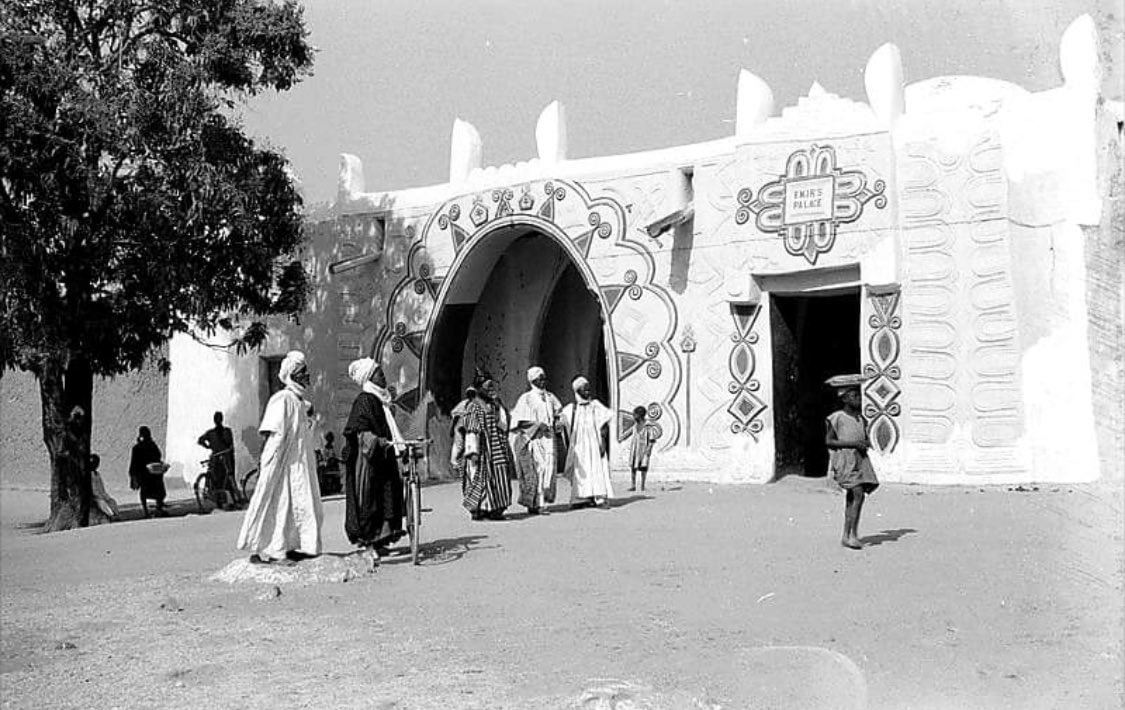
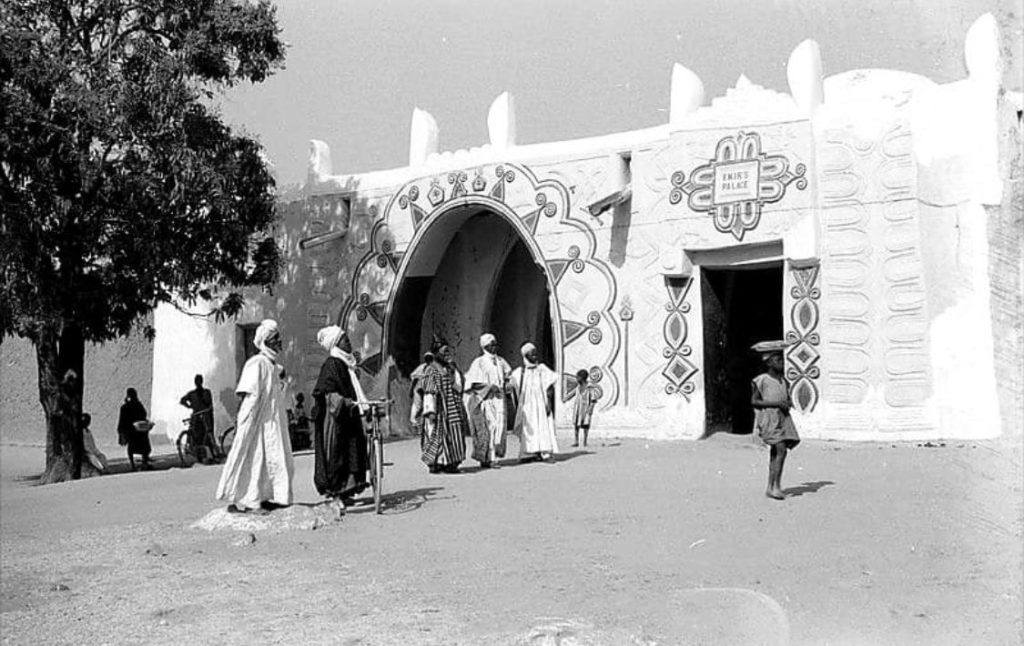
- The Emir’s Palace in Zaria is a historic cultural site, blending Hausa and Islamic architecture, serving as the seat of authority.
Notable Emirs
Mallam Musa Bamalli (1804–1821)
- First Fulani Emir of Zazzau after the Jihad of Usman dan Fodio.
Emir Alhaji Shehu Idris (1975–2020)
- Reigned for 45 years, making him the longest-serving Emir of Zazzau.
- Highly respected as a mediator, educator, and cultural leader.
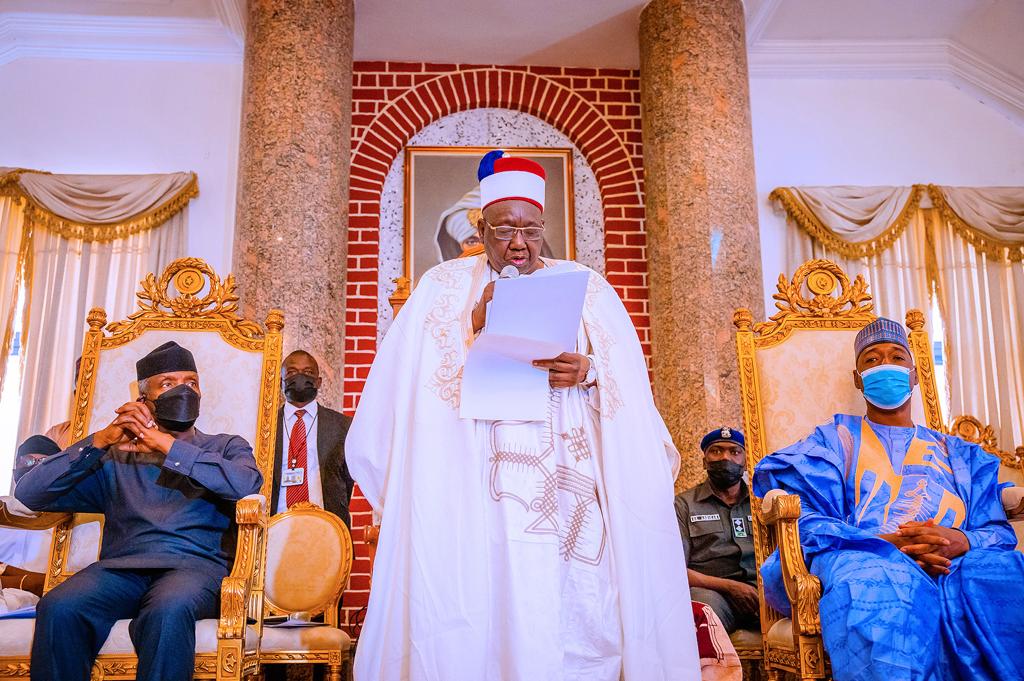
Emir Ahmed Nuhu Bamalli (2020–present)
- Appointed on 7 October 2020 by the Kaduna State Government.
- First emir from the Mallawa dynasty in nearly 100 years, breaking the long dominance of the Katsinawa ruling line.
- A lawyer, banker, and diplomat, he previously served as Nigeria’s Ambassador to Thailand.
- Advocates for modernization, education, and youth empowerment, while preserving Zaria’s traditions.
Cultural Role Today
- Presides over Islamic and cultural festivals, including Eid celebrations and Durbar festivals, where traditional horsemanship and pageantry are displayed.
- Custodian of Hausa history, especially the legacy of Queen Amina.
- Symbol of unity in Kaduna State, which is often divided along ethnic and religious lines.
Legacy and Significance
- The Emir of Zazzau throne embodies over 1,000 years of history, linking pre-Islamic Hausa kingdoms with the Islamic Sokoto Caliphate.
- A respected Yoruba-style monarchy in northern Nigeria, balancing tradition and modern governance.
- Emir Ahmed Nuhu Bamalli’s reign signals renewal, modernization, and inclusiveness in a historic emirate.
Conclusion
The Emir of Zazzau is more than a monarch — he is a living link to Hausa history, Fulani reform, and Islamic tradition. From Queen Amina’s legendary campaigns to Emir Bamalli’s modern diplomacy, the throne of Zaria continues to shine as a beacon of history, culture, and leadership in northern Nigeria.










Related Posts


Stay Informed With the Latest & Most Important News
Previous Post
Next Post

Advertisement

Donations







Loading Next Post...


