Now Reading: Empowering the Girl Child: Success Stories and Initiatives Driving Change
-
01
Empowering the Girl Child: Success Stories and Initiatives Driving Change

Empowering the Girl Child: Success Stories and Initiatives Driving Change

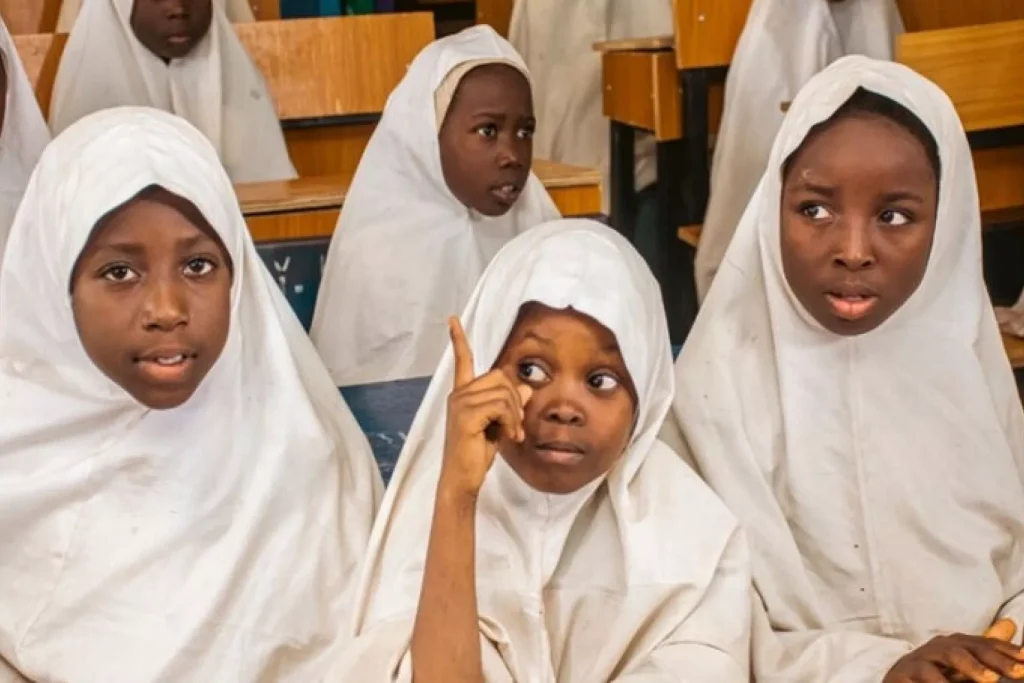
In many parts of Nigeria, girls face significant barriers to education—poverty, early marriage, insecurity, and cultural norms often stand in their way. Yet across the country, inspiring stories of resilience are proving that with the right support, girls can thrive in school and beyond. This follow-up to the Girl Child Education Challenge highlights successful initiatives and the journeys of young Nigerian girls who overcame obstacles to claim their right to learn.
🚧 The Barriers Girls Face
- Poverty: Many families prioritize boys’ education when resources are scarce.
- Cultural Practices: Early marriage and gender roles often cut girls’ education short.
- Insecurity: In the North-East, insurgency and kidnappings of schoolgirls (like Chibok in 2014) have created fear around schooling.
- Infrastructure Gaps: Lack of safe toilets, menstrual hygiene support, and nearby schools disproportionately affect girls.
🌍 Initiatives Making a Difference
- UNICEF Girls’ Education Project (GEP):
Reaching millions in northern Nigeria, it provides scholarships, teacher training, and safe learning spaces. - Educating Nigerian Girls in New Enterprises (ENGINE):
A program that combines literacy with vocational training to prepare girls for work and leadership. - Girl Child Concerns (NGO):
Founded by Dr. Mairo Mandara, it supports girls in Borno and Yobe states with mentorship and education. - Safe Schools Initiative:
Launched after the Chibok abduction, it improves security infrastructure in schools to protect girls. - Local Grassroots Efforts:
Community leaders, religious groups, and women’s associations advocate for keeping girls in school.
👩🎓 Inspiring Stories
- Amina’s Journey (Borno State): Once forced out of school due to insurgency, she received a scholarship through a UNICEF program. Today, she is studying to become a nurse and hopes to serve her community.
- Chidera’s Dream (Enugu State): The daughter of a petty trader, she excelled in STEM after joining a girls-in-science program. She now mentors younger girls in her community.
- Hauwa’s Victory (Kano State): Married at 15, Hauwa fought to return to school with support from a local NGO. She completed secondary school and runs a tailoring business while pursuing further studies.
These stories are proof that when given opportunity, girls break cycles of poverty and become leaders.
💡 Why Girl Child Education Matters
- Economic Growth: Educated girls contribute to the workforce, raising family and national income.
- Health Outcomes: Girls who stay in school marry later and have healthier children.
- Social Change: Education empowers girls to challenge harmful traditions and advocate for equality.
- Peace and Stability: Education reduces vulnerability to exploitation and extremism.
✅ Conclusion
Empowering the girl child is not just about fairness—it is about unlocking Nigeria’s full potential. The success of initiatives and the courage of girls like Amina, Chidera, and Hauwa show that progress is possible.
For Nigeria to thrive, every girl must not only have the right to education but also the support to pursue it without fear or barrier. The next generation of leaders, innovators, and change-makers may already be sitting in classrooms—if we ensure they stay there.










Related Posts



Stay Informed With the Latest & Most Important News
Previous Post
Next Post


Advertisement