Now Reading: The Nigerian Wedding: A Celebration of Culture, Family, and Joy
-
01
The Nigerian Wedding: A Celebration of Culture, Family, and Joy


Few events capture the heart of Nigerian culture quite like a wedding. Grand, colorful, and full of music, Nigerian weddings are more than just ceremonies—they are community festivals that blend tradition, modernity, and cultural pride. Across the country’s diverse ethnic groups, weddings often span several days, featuring rituals, outfits, and festivities that reflect Nigeria’s rich heritage.
🌍 A National Tradition with Ethnic Flavors
While every Nigerian wedding is unique, certain features are common: large guest lists, lavish food, and vibrant fashion. Yet, the style and rituals vary widely across ethnic groups:
- Yoruba Weddings: Known for their elegance, Yoruba ceremonies include the groom prostrating before the bride’s family, symbolizing humility and respect.
- Igbo Weddings: The “Igba Nkwu” (wine carrying ceremony) is central, where the bride presents palm wine to her chosen groom before family and guests.
- Hausa/Fulani Weddings: Rooted in Islamic traditions, these weddings often feature the “Kamu” (catching of the bride) and henna designs on the bride’s hands and feet.
- Cross-Cultural Marriages: Increasingly common, blending multiple customs into one celebration.
💍 Two Weddings in One
A hallmark of Nigerian weddings is the dual celebration:
- Traditional Wedding: Anchored in ethnic customs, usually the most colorful and culturally significant.
- White Wedding: Modeled after Western Christian traditions, often held in churches, mosques, or elegant halls.
Some families host both ceremonies on separate days, turning the wedding into a week-long festival.
🎶 Music, Dance, and Fashion
- Music: From live bands to Afrobeats DJs, weddings are filled with performances that keep guests dancing for hours.
- Dance: The “Aso-Ebi” (coordinated outfits for family and friends) and traditional dances add flair to the celebrations.
- Fashion: Brides often change outfits multiple times—traditional attire, Western gown, and glamorous reception looks. Guests, too, compete in creativity with Ankara, lace, or agbada styles.
🍲 Feasting Without Limits
Food is a centerpiece of Nigerian weddings:
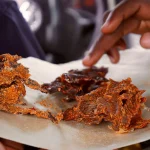
- Jollof rice, pounded yam, egusi soup, and suya are staples.
- Caterers prepare for hundreds (sometimes thousands) of guests.
- Drinks flow freely, from palm wine to champagne, reflecting both tradition and modern luxury.
Feeding guests generously is considered a mark of honor for the families.
💸 The Economics of a Wedding
- Nigerian weddings can cost anywhere from modest budgets to millions of naira.
- Families often view weddings as investments in status and reputation.
- The booming wedding industry supports caterers, fashion designers, photographers, DJs, and event planners.
🌍 Beyond Celebration: Social Significance
- Family and Community Bonds: Weddings unite extended families and entire neighborhoods.
- Cultural Preservation: Rituals and attire keep traditions alive across generations.
- Diaspora Connections: Nigerians abroad often return home for elaborate weddings, reinforcing ties with the homeland.
✅ Conclusion
The Nigerian wedding is not just about two people—it is about family, community, culture, and joy. These grand celebrations showcase Nigeria’s diversity, creativity, and resilience, making them unforgettable experiences for all involved.
In a country where life can be challenging, weddings remain moments of unfiltered happiness, where music, food, and love come together in spectacular fashion.










Related Posts


Stay Informed With the Latest & Most Important News
Previous Post
Next Post

Advertisement