
Now Reading: Ernest Shonekan
1
-
01
Ernest Shonekan
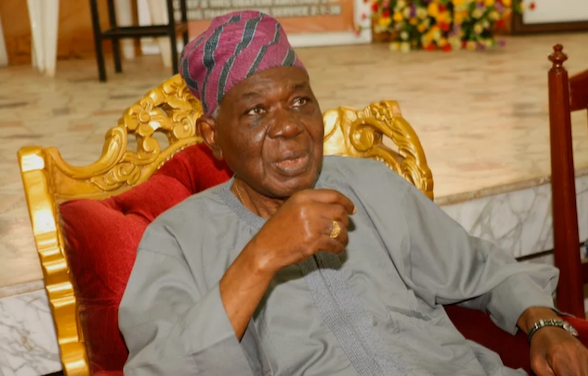

📍 Quick Facts
- Full Name: Ernest Adegunle Oladeinde Shonekan
- Born: May 9, 1936 – Lagos, Nigeria
- Died: January 11, 2022 (aged 85)
- Profession: Lawyer, Industrialist, Politician
- Notable Role: Interim Head of State of Nigeria (August – November 1993)
- Known For: Transitional leadership after Babangida’s exit.
🌱 Early Life & Education
- Born into a Yoruba family in Lagos.
- Attended CMS Grammar School, Lagos.
- Studied law at the University of London, graduating with a degree in Law and later qualifying as a barrister.
- Also attended the prestigious Harvard Business School for executive programs.
💼 Career in Business
- Joined the United Africa Company of Nigeria (UACN) in 1964.
- Rose through the ranks to become Chairman and Managing Director of UACN in 1980 — one of Nigeria’s biggest conglomerates.
- Known for his discipline, corporate management style, and international business connections.
👑 Interim Head of State (1993)
🚨 Background
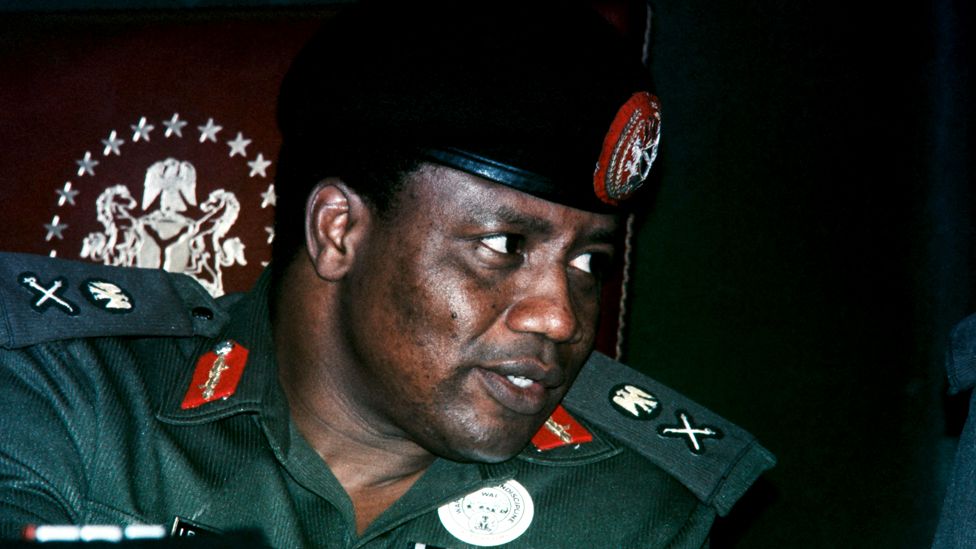
- After General Ibrahim Babangida annulled the June 12, 1993 election, Nigeria entered a political crisis.
- To ease tension, Babangida handed power to Ernest Shonekan as Head of the Interim National Government (ING) on August 26, 1993.
⚖️ Role & Challenges
- Faced intense criticism, as many saw his appointment as illegitimate.
- Dealt with widespread protests and calls for the recognition of MKO Abiola’s June 12 victory.
- Tried to stabilize Nigeria’s collapsing economy and maintain international confidence.
⚔️ Downfall
- His administration lasted only 83 days.
- On November 17, 1993, General Sani Abacha forced him to resign and took over power.
- Shonekan returned quietly to private life afterward.
🏛️ Later Contributions
- Founded the African Leadership Forum, promoting democracy and good governance.
- Served as an elder statesman, consulted on business and governance issues.
- Advocated for democratic stability and economic reforms in Nigeria.
🏆 Legacy
- Remembered as a gentleman technocrat who stepped into leadership during one of Nigeria’s most turbulent times.
- Though his tenure was short, his effort to bring calm after Babangida’s controversial exit remains part of Nigeria’s history.
- Honored as an Officer of the Order of the Federal Republic (OFR).
💬 Famous Quote
“Our survival as a nation depends on building strong democratic institutions, not strong men.”
✅ Conclusion
Chief Ernest Shonekan’s leadership was brief but symbolic. He embodied the role of a reluctant leader called by circumstance, standing at the crossroads of Nigeria’s military rule and democratic struggle. His legacy lies in his corporate brilliance, integrity, and statesmanship.










Related Posts


Stay Informed With the Latest & Most Important News
Previous Post
Next Post
Advertisement

Donations







Loading Next Post...


