
Now Reading: Femi Kuti, the legacy of his father
1
-
01
Femi Kuti, the legacy of his father
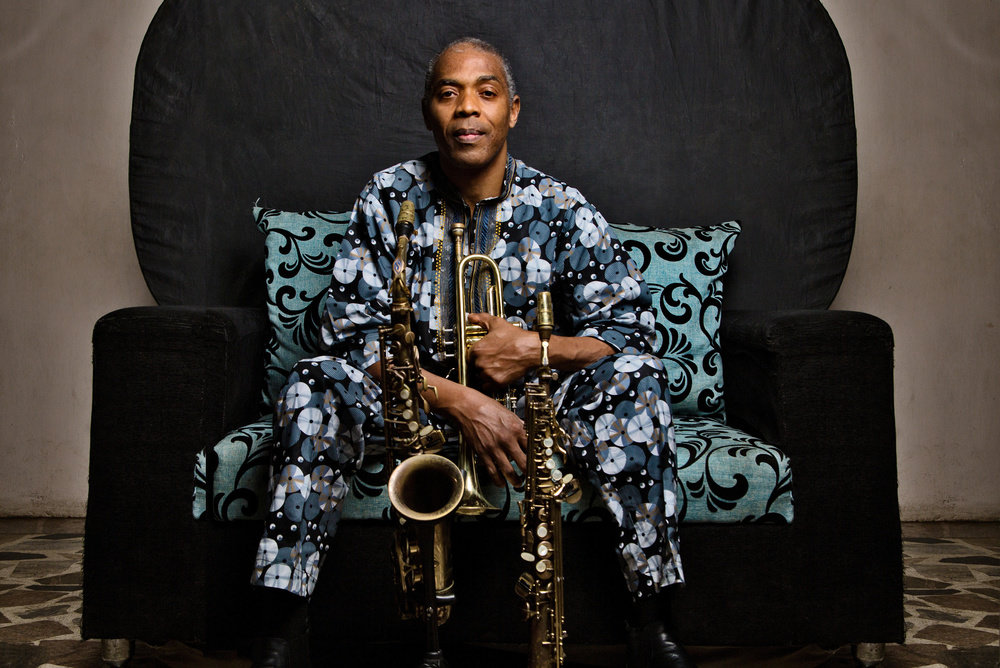

📍 Quick Facts
- Full Name: Olufela Olufemi Anikulapo Kuti
- Date of Birth: June 16, 1962
- Place of Birth: London, UK (raised in Lagos, Nigeria)
- Profession: Musician, Singer, Saxophonist, Composer, Activist
- Genre: Afrobeat, Jazz, Funk
- Legacy: Son of Fela Kuti, but a global Afrobeat pioneer in his own right; four-time Grammy nominee and outspoken activist
🌱 Early Life
- Born in London while his mother, Remi, was studying, but raised in Lagos.
- Eldest son of Afrobeat legend Fela Anikulapo-Kuti.
- Grew up in the famous Kalakuta Republic, surrounded by music and political activism.
- Learned saxophone at a young age from his father and soon began performing with Fela’s band, Egypt 80.
🚀 Musical Career
🎤 Starting Out
- Played with Fela’s Egypt 80 band during his youth.
- In 1986, after Fela’s imprisonment, Femi formed his own band: Positive Force.
🌍 Rise to International Fame
- His music retained Afrobeat’s political fire but incorporated funk, jazz, and soul influences.
- Signed with major international labels and toured globally.
- Albums like Shoki Shoki (1998), Fight to Win (2001), and Africa for Africa (2010) gained international acclaim.
🎼 Style & Influence
- Unlike his father’s marathon jams, Femi’s songs are often shorter and more direct, appealing to younger audiences.
- Maintains Afrobeat’s core: social consciousness, activism, and vibrant rhythms.
- Collaborated with international stars such as Common, Mos Def, and D’Angelo.
🎶 Major Works (Albums)
- No Cause for Alarm? (1989)
- Mind Your Own Business (1991)
- Shoki Shoki (1998)
- Fight to Win (2001)
- Africa for Africa (2010)
- One People One World (2018)
- Legacy+ (2021, with his son Made Kuti)
🌟 Achievements & Impact
- 🌍 Brought Afrobeat to new generations while honoring Fela’s legacy.
- 🎤 Used music as a tool to fight corruption and injustice in Nigeria.
- 👪 Built a musical dynasty — performing alongside his son, Made Kuti.
- 🌐 One of the most important cultural ambassadors of Nigerian music.
💬 Famous Quotes
“I use music as a weapon to speak the truth, even if the truth is bitter.”
🏆 Awards & Recognition
- 4x Grammy Award nominations in the World Music category.
- Performed at global festivals like Glastonbury, Montreux Jazz Festival, and WOMAD.
- Honored as one of Africa’s greatest live performers.
🏦 Legacy
- Femi Kuti has built on his father’s foundation, carving his own identity in Afrobeat.
- Continues to perform weekly at the New Afrika Shrine in Lagos, a modern version of Fela’s shrine.
- His music inspires resistance, pride, and African unity.
✅ Conclusion
Femi Kuti is more than just Fela’s son — he is a torchbearer of Afrobeat, a global star, and an activist committed to justice and truth. By innovating while respecting tradition, he ensures that Afrobeat remains a living, breathing force in world music.










Related Posts



Stay Informed With the Latest & Most Important News
Previous Post
Next Post

Advertisement

Donations








Loading Next Post...


