
Now Reading: Flora Nwapa-First African woman to publish a novel in English
1
-
01
Flora Nwapa-First African woman to publish a novel in English
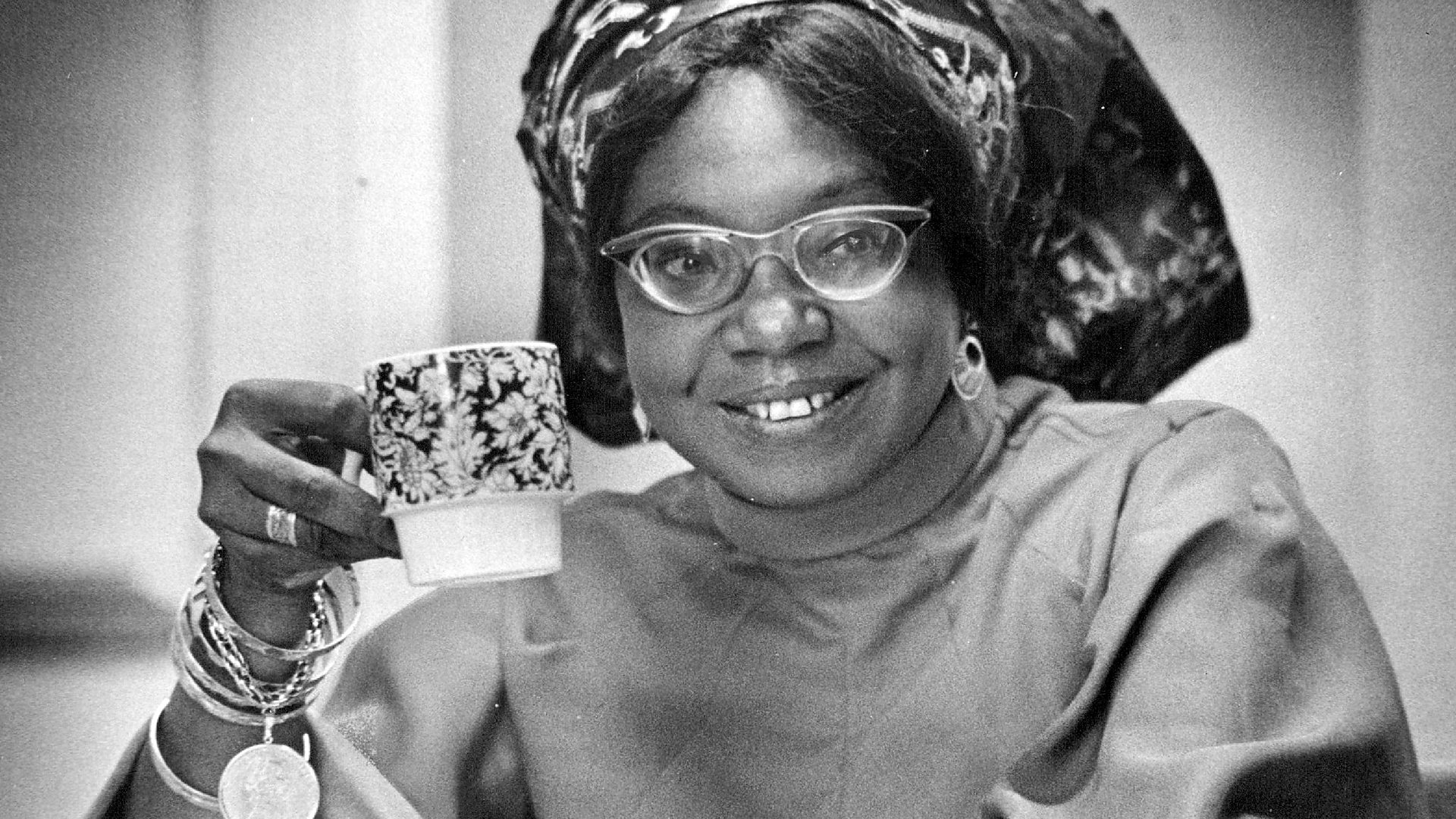

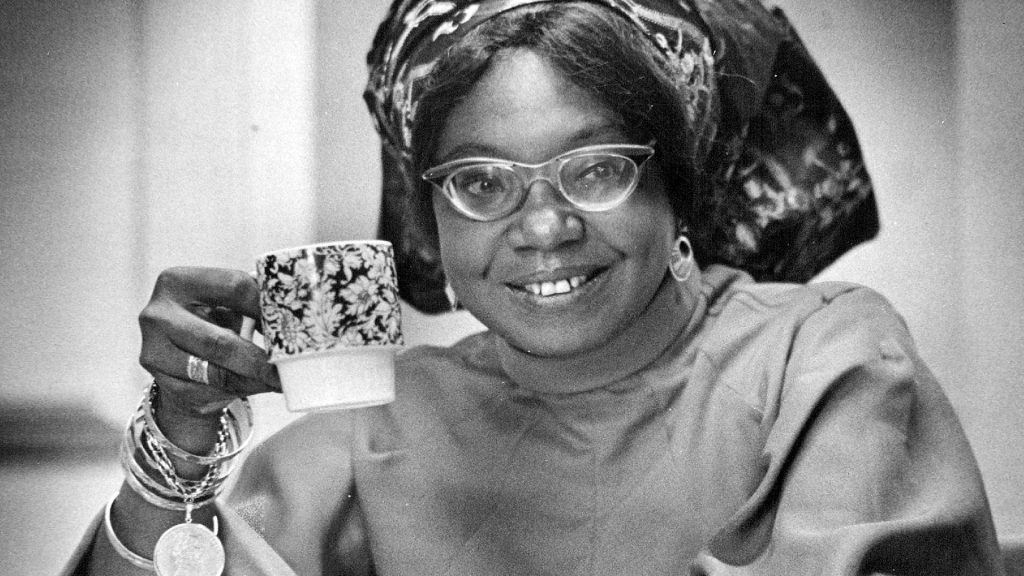
📍 Quick Facts
- Full Name: Florence Nwanzuruahu Nkiru Nwapa
- Date of Birth: January 13, 1931
- Place of Birth: Oguta, Imo State, Nigeria
- Date of Death: October 16, 1993
- Profession: Author, Publisher, Educator, Administrator
- Legacy: First African woman novelist to be published internationally; regarded as the “Mother of Modern African Literature”
🌱 Early Life
- Born in Oguta, Imo State, into a wealthy and educated Igbo family.
- Her father was a government worker, and her mother was a schoolteacher.
- Educated at CMS Girls School, Lagos, and Archdeacon Crowther Memorial Girls’ School, Port Harcourt.
- Later attended University of Ibadan, graduating with a BA in English (1957).
- Earned a diploma in education from University of Edinburgh, Scotland.
🚀 Literary Career
📚 Trailblazing Author
- In 1966, published her debut novel “Efuru”, making her the first African woman to publish a novel in English internationally (with Heinemann Publishers).
- Her works centered on Igbo women’s lives, marriage, motherhood, and economic independence.
- Unlike male writers of her time, she gave voice to African women as agents of change rather than passive subjects.
✍️ Major Works
- Efuru (1966) – her groundbreaking debut.
- Idu (1970) – exploring marriage and childlessness.
- Never Again (1975) – about the Nigerian Civil War (Biafra).
- One is Enough (1981) – on women’s independence.
- Women Are Different (1986) – celebrating female resilience.
📖 Poetry & Short Stories
- Published collections that reinforced her feminist perspective.
🌍 Achievements & Impact
- 🎓 Worked as an education officer in Calabar and later taught English at Lagos schools.
- 🏛️ Served as Minister of Health and Social Welfare in East Central State during the Nigerian Civil War.
- ✍️ Founded her own publishing company, Tana Press (1970s), becoming the first African woman publisher.
- 🌍 Recognized globally as a pioneer of African feminism in literature.
🏦 Legacy & Influence
- Broke barriers for women in African literature.
- Inspired writers like Chimamanda Ngozi Adichie, Buchi Emecheta, and Ama Ata Aidoo.
- Remembered as the matriarch of African women’s literature.
💬 Famous Quotes
“The African woman has a voice, and it must be heard.”
🏆 Major Honors
- Received the Order of the Niger (OON).
- Celebrated by international universities for contributions to African literature.
- Her works remain on academic syllabuses across Africa, Europe, and the U.S.
✅ Conclusion
Flora Nwapa shattered glass ceilings in literature, publishing, and politics. As the first internationally published African woman novelist, she redefined how women’s stories were told and preserved. Her influence continues to inspire generations of African writers, especially women.










Related Posts



Stay Informed With the Latest & Most Important News
Previous Post
Next Post

Advertisement

Donations






Loading Next Post...


