
Now Reading: Funmilayo Ransome-Kuti
1
-
01
Funmilayo Ransome-Kuti
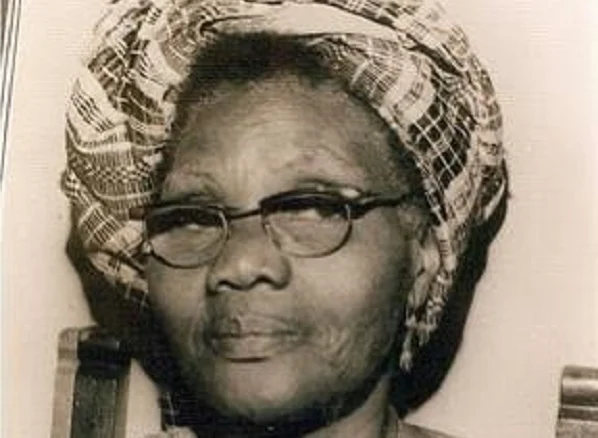

📍 Quick Facts
- Full Name: Francis Abigail Olufunmilayo Thomas Ransome-Kuti
- Date of Birth: October 25, 1900
- Place of Birth: Abeokuta, Ogun State, Nigeria
- Date of Death: April 13, 1978
- Profession: Teacher, Activist, Politician, Feminist
- Legacy: “Lioness of Lisabi” – Nigeria’s foremost female nationalist and women’s rights activist
🌱 Early Life
- Born in Abeokuta, Ogun State, into the family of Chief Daniel Olumeyuwa Thomas and Lucretia Phyllis Omoyeni Adeosolu.
- First female student to attend Abeokuta Grammar School.
- Later studied in England, where she trained as a teacher.
- Returned to Nigeria as one of the first educated women in her community.
🚀 Career & Activism
📚 Education & Early Career
- Worked as a teacher and encouraged the education of women and girls.
- Advocated for women to participate fully in Nigerian society.
✊🏾 Women’s Rights Movement
- Founded the Abeokuta Women’s Union (AWU) in the 1940s, one of the most powerful women’s organizations in Nigerian history.
- Mobilized thousands of women to protest unfair taxation, colonial abuses, and discrimination.
- Successfully challenged the Alake of Egbaland (traditional ruler), forcing him to abdicate temporarily in 1949.
🏛️ Politics & Nationalism
- One of the founding members of the National Council of Nigeria and the Cameroons (NCNC) alongside Nnamdi Azikiwe.
- Fought for Nigeria’s independence from British colonial rule.
- Later aligned with socialist and anti-imperialist movements, promoting Pan-Africanism.
🌍 Achievements & Influence
- ✊🏾 Recognized as Nigeria’s first female political activist.
- 💡 Nicknamed the “Lioness of Lisabi” for her fearless campaigns.
- 🌍 Represented Nigeria at international women’s conferences across Africa, Europe, and Asia.
- 🎖️ Worked with organizations fighting apartheid and colonialism in Africa.
🏦 Philanthropy & Legacy
- Championed women’s access to education, property rights, and political participation.
- Inspired generations of Nigerian feminists and activists.
- Mother of Nigeria’s famous Kuti family:
- Fela Kuti (Afrobeat legend)
- Beko Ransome-Kuti (doctor & activist)
- Olikoye Ransome-Kuti (Minister of Health, public health pioneer)
💬 Famous Quotes
“We had to fight with all our strength for freedom, for our rights as women, and for our dignity as human beings.”
🏆 Major Honors
- Remembered as Nigeria’s foremost female nationalist.
- Honored by UNESCO and women’s organizations worldwide.
- In 2012, the Nigerian government immortalized her by renaming the National Centre for Women Development in Abuja after her.
✅ Conclusion
Funmilayo Ransome-Kuti was more than a mother and activist — she was a revolutionary force who fought colonialism, sexism, and injustice. Her fearless leadership helped pave the way for Nigeria’s independence and women’s participation in politics. She remains a towering figure in Nigerian history and a role model for generations.










Related Posts


Stay Informed With the Latest & Most Important News
Previous Post
Next Post

Advertisement

Donations






Loading Next Post...


