Now Reading: Healthcare Heroes: Celebrating Nigeria’s Doctors, Nurses, and Medical Professionals
-
01
Healthcare Heroes: Celebrating Nigeria’s Doctors, Nurses, and Medical Professionals

Healthcare Heroes: Celebrating Nigeria’s Doctors, Nurses, and Medical Professionals

Behind every hospital ward, rural clinic, and emergency room in Nigeria are men and women who work tirelessly to save lives. These healthcare heroes—doctors, nurses, midwives, pharmacists, laboratory scientists, and community health workers—stand on the frontlines of a fragile healthcare system. Despite limited resources, difficult working conditions, and systemic challenges, they continue to make extraordinary contributions to improving healthcare outcomes across the country.
🏥 The State of Healthcare in Nigeria
- Nigeria spends less than 5% of GDP on healthcare, far below global recommendations.
- Shortages of doctors and nurses persist—Nigeria has fewer than 4 doctors per 10,000 people.
- Rural areas are underserved, with many communities relying on a single health center or mobile clinic.
- Frequent strikes and “brain drain” see many professionals leaving for better opportunities abroad.
Yet, despite these difficulties, dedicated professionals keep the system running.
👩⚕️ Doctors on the Frontline
Nigerian doctors are often stretched thin, handling overwhelming patient loads. Still, many go above and beyond:
- Rural Service: Young doctors in the National Youth Service Corps (NYSC) often serve in remote communities, providing critical care where none existed.
- Specialists: Surgeons, pediatricians, and oncologists work in teaching hospitals under difficult conditions, innovating to save lives.
- Public Health Advocates: Doctors contribute to campaigns on vaccination, maternal health, and infectious diseases.
👩🔬 Nurses and Midwives: The Backbone of Care
- Nurses and midwives form the largest group of healthcare workers in Nigeria.
- They are often the first point of contact for patients, especially in rural areas.
- Midwives play a vital role in reducing maternal and infant mortality by supporting safe deliveries.
- Their compassion and resilience sustain communities even when hospitals lack equipment or drugs.
🌍 Community Health Workers and Unsung Heroes
- Community Health Extension Workers (CHEWs): Provide essential services in villages, from immunization to health education.
- Laboratory Scientists: Behind the scenes, they ensure accurate diagnoses for malaria, HIV, tuberculosis, and more.
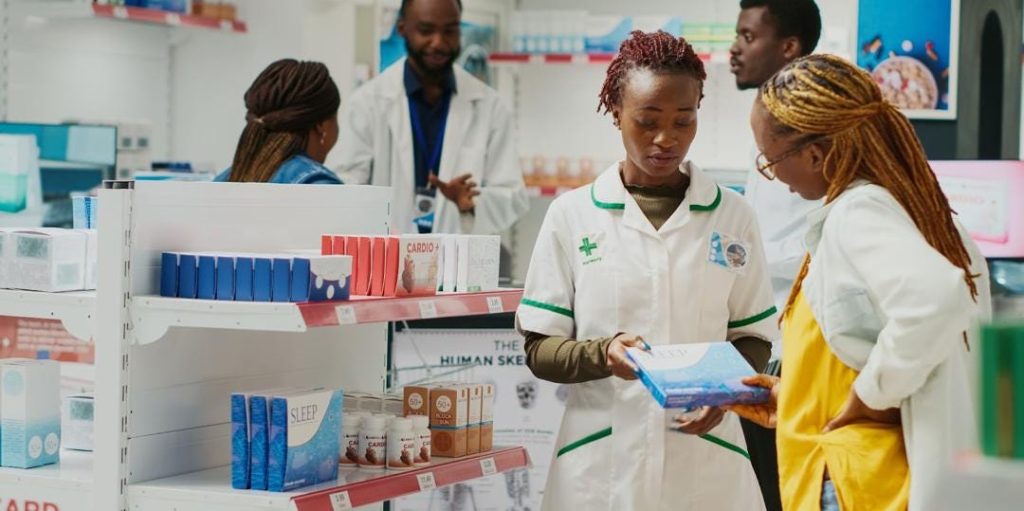
- Pharmacists: Bridge the gap in drug access and patient guidance, especially in local pharmacies.
These workers often operate without recognition but are indispensable to the healthcare system.
⚔️ The Challenges They Face
- Underfunding: Many hospitals lack basic equipment, drugs, and electricity.
- Low Pay: Healthcare workers often earn salaries that do not reflect their workload or expertise.
- Insecurity: In conflict zones, doctors and nurses risk their lives to serve displaced communities.
- Brain Drain: Thousands of Nigerian medical professionals leave annually for better working conditions abroad.
🌟 Stories of Resilience
- COVID-19 Response: Nigerian doctors and nurses showed remarkable courage during the pandemic, working under immense pressure.
- Polio Eradication Campaign: Healthcare workers traversed remote villages to ensure Nigeria was declared polio-free in 2020.
- Innovators: Young Nigerian doctors are pioneering telemedicine platforms to expand access.
These examples show that even under strain, healthcare heroes continue to drive progress.
💡 Supporting Nigeria’s Healthcare Heroes
- Better Funding: Increase national health budgets to meet global benchmarks.
- Training and Equipment: Provide modern facilities, drugs, and continuing education.
- Fair Pay: Improve salaries and benefits to reduce brain drain.
- Safety and Security: Protect workers in conflict and rural zones.
- Recognition: Celebrate and honor the contributions of healthcare workers at all levels.
✅ Conclusion
Nigeria’s healthcare heroes are more than professionals—they are guardians of life. Their daily sacrifices, from bustling city hospitals to remote rural clinics, hold up the nation’s health system against all odds.
To truly honor them, Nigeria must invest not only in infrastructure but in the people who wear the white coats and uniforms, ensuring they can serve with dignity, safety, and hope.










Related Posts


Stay Informed With the Latest & Most Important News
Previous Post
Next Post


Advertisement