Now Reading: Hospitality Sector in Nigeria: Market Dynamics, Growth Drivers, and Strategic Outlook
-
01
Hospitality Sector in Nigeria: Market Dynamics, Growth Drivers, and Strategic Outlook

Hospitality Sector in Nigeria: Market Dynamics, Growth Drivers, and Strategic Outlook

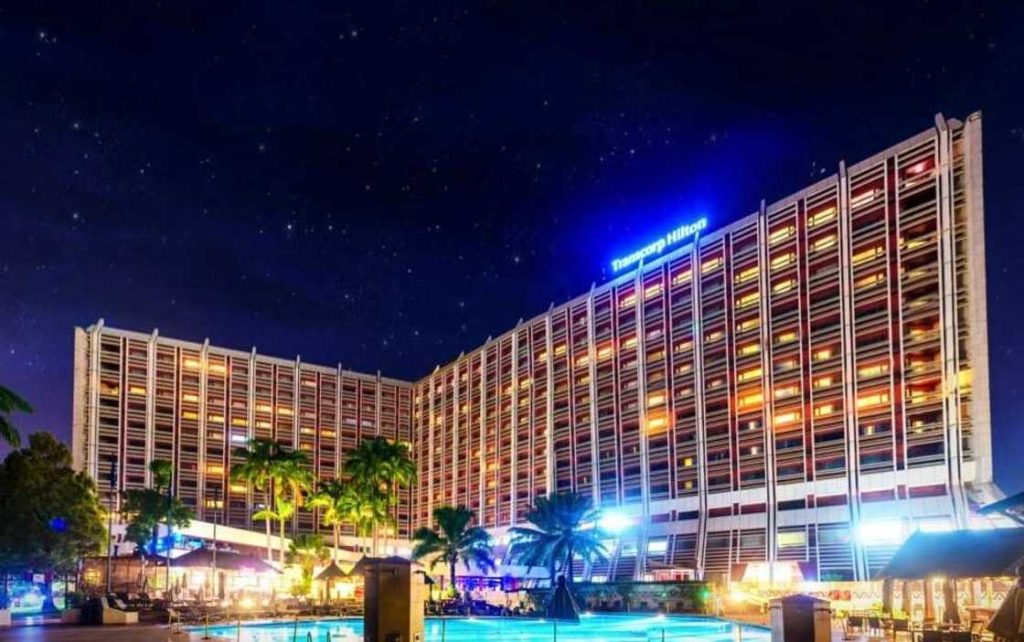
The Nigerian hospitality sector is a dynamic and high-growth market with a complex landscape of opportunities and systemic challenges. The market, which recorded revenues of $3.9 billion in 2022, is poised for significant expansion, evidenced by its robust hotel development pipeline and the aggressive entry of major international brands. Projections indicate the sector’s contribution to Nigeria’s GDP is set to outpace the overall national economy’s growth rate in the coming decade, with a forecast to generate over 2.6 million new jobs by 2032. This expansion is fundamentally driven by Nigeria’s vast and rapidly growing domestic market, which accounts for over 97% of travel spending. The rising middle class, coupled with the unique cultural phenomenon of “bleisure” travel, provides a resilient and stable demand base that insulates the industry from international market volatility.
However, the sector’s full potential is constrained by significant operational hurdles. These include a persistent infrastructure deficit, particularly in power and transportation, and pervasive security risks that deter international visitors and increase operational costs. Additionally, economic volatility, characterized by high inflation and exchange rate fluctuations, creates a challenging financial environment. Despite these issues, the government’s renewed focus on a strategic, tech-driven roadmap for the tourism and creative sectors, coupled with the emergence of specialized local firms and an increasingly sophisticated digital landscape, presents a clear path forward. For stakeholders prepared to navigate these complexities, the Nigerian hospitality market represents a compelling long-term investment opportunity.
1. Market Size, Structure, and Economic Contribution
1.1. Market Size and Segmentation
The Nigerian hospitality industry, primarily defined by hotels and motels, represents a substantial and expanding market. In 2022, the sector generated total revenues of $3.9 billion, marking a robust compound annual growth rate (CAGR) of 6.8% between 2017 and 2022. The number of establishments has also grown considerably, reaching 3,126 by 2022. This growth is geographically concentrated, with Lagos State serving as a primary hub. A 2015 study revealed that Lagos alone was home to 1,164 hotels, constituting nearly a quarter of the entire hotel market in Nigeria at that time.
The market structure is highly diverse, encompassing a mix of international chains, domestic brands, and a substantial portion of independent hotels. Major international brands with a notable presence include Four Points by Sheraton, Best Western, Marriott International, Hilton, Radisson Blu, Le Meridien, Swiss International, and InterContinental hotels. While these chains often represent a significant portion of the market, independent hotel brands and smaller establishments also occupy a large segment. This diversity is reflected in the varying sizes, affiliations, and comfort categories of accommodation facilities, which have a direct impact on operational strategies and service delivery. An analysis of occupancy rates across different hotel classes revealed that a minimum of 70% occupancy was evident for all hotel types in a 2016 study, suggesting a saturated but consistently high-demand market, irrespective of a hotel’s classification. This consistency in occupancy across different hotel classes suggests that consumer demand is strong enough to support a wide range of offerings, but it also raises questions about the standardization of service quality and the overall value proposition in a highly competitive landscape.
1.2. Contribution to the National Economy
The hospitality and tourism sector is a vital and increasingly important pillar of the Nigerian economy, playing a strategic role in the nation’s diversification efforts. While specific contribution figures can vary, a 2016 report from Jumia Travel indicated that the hospitality and tourism industry contributed approximately 4.8% to Nigeria’s Gross Domestic Product (GDP). This figure aligns with other data points, such as the 4.5% GDP contribution recorded in 2019. The sector’s economic footprint extends beyond revenue, as it also serves as a significant employer, accounting for about 1.6% of Nigerian employment in 2016.
Long-term projections affirm the sector’s growing importance. According to the World Travel & Tourism Council (WTTC), the industry’s contribution to GDP is forecasted to grow at an average rate of 5.4% annually between 2022 and 2032, a rate that is expected to significantly outpace the overall national economic growth rate of 3%. This sustained growth is projected to elevate the sector’s total GDP contribution to nearly ₦12.3 trillion by 2032. In terms of employment, the WTTC report offers an optimistic outlook, forecasting the creation of 2.6 million new jobs over the next decade, which would more than double the number of people employed in the sector to over 5.1 million by 2032.
A critical finding that underpins this growth is the overwhelming dominance of domestic spending. A 2016 Jumia Travel report revealed that domestic spending accounted for 97% of the total travel contributions to GDP, while foreign spending made up a mere 3%. This high reliance on the domestic market is a crucial factor in the industry’s resilience. The fact that the sector thrives on its internal consumer base, rather than a volatile international tourism market, provides a buffer against global economic downturns and the effects of negative travel advisories. This dynamic underscores the sector’s foundational strength and explains why it can exhibit such robust growth despite external challenges.
| Year | GDP Contribution (Hospitality & Tourism) | Total Revenue (Hotels & Motels) | Number of Establishments (Hotels & Motels) | Employment (Hospitality & Tourism) |
| 2016 | 4.8% | N/A | ~9,000 new hotels added | 1.6% of Nigerians employed |
| 2017 | N/A | $3.9B (start of CAGR) | N/A | N/A |
| 2019 | 4.5% | N/A | N/A | 3.4 million jobs |
| 2022 | N/A | $3.9 billion | 3,126 | N/A |
| 2023 | 23% (Wholesale, Retail, Restaurants & Hotels) | N/A | N/A | N/A |
| 2032 (Projected) | 4.9% or ₦12.3 trillion | N/A | N/A | > 5.1 million jobs |
2. Growth and Investment Landscape
2.1. Hotel Development Pipeline and Investor Confidence
The Nigerian hospitality sector is experiencing a significant surge in development, a clear indicator of growing investor confidence. In 2024, Nigeria ascended to the second position in Africa’s Hotel Development Rankings, a testament to its strong and expanding pipeline. This pipeline comprises 50 new hotels with a combined 7,622 rooms, showcasing a notable increase in new developments across the country. This remarkable growth is fueled by the strategic expansion of major international hotel groups, including Hilton, Radisson, Marriott International, and Leva Hotels, which have signed numerous new deals.
The concentration of these new projects in key urban centers, particularly Lagos, highlights a calculated approach by investors. In 2023, nine new hotel deals were signed, with Hilton and Radisson leading the way with three deals each, followed by Marriott and Leva Hotels. A majority of these deals, five of the nine, are located in Lagos, reinforcing its status as a commercial hub and a prime destination for global hotel chains. This strategic focus on established economic centers reflects a prioritization of reduced risk and a confidence in the market’s long-term potential, despite the more immediate operational challenges. The new developments, such as a 200-room Marriott Hotel in Imo State and an expansion of Protea Hotels by Marriott into Delta State, demonstrate that new investments are also beginning to extend beyond the most concentrated commercial centers.
| Hotel Brands | Number of Deals (2023) |
| Hilton | 3 |
| Radisson | 3 |
| Marriott International | 1 |
| Leva Hotels | 1 |
| Other | 1 |
| Total | 9 |
2.2. Leading Market Players and Indigenous Groups
The competitive landscape of the Nigerian hospitality sector is characterized by a mix of well-established international brands and powerful indigenous players. The international presence is significant, with global groups such as Marriott International, Hilton, Radisson Hotel Group, and Best Western leading the market. Other notable foreign brands operating in Nigeria include Four Points by Sheraton, Le Meridien, InterContinental, and Southern Sun.
Beyond the international chains, indigenous Nigerian firms play a pivotal role in shaping the industry. Transcorp Hotels Plc, the hospitality subsidiary of one of Nigeria’s largest conglomerates, Transcorp Group, is a leading domestic brand that aims to build a strong footprint across West Africa. Similarly, Eko Hotels & Suites, owned by the Chagoury Group, is a dominant force, particularly in Lagos. Eko Hotels & Suites, one of the largest hotels in Nigeria, operates an 825-room conference center and is a central hub for major international events. The Chagoury Group’s involvement in broader infrastructure projects like Eko Atlantic City demonstrates an integrated business model where hospitality is interconnected with real estate and construction. This vertically integrated approach allows these indigenous conglomerates to mitigate risk and create synergistic value chains that are difficult for pure-play international hotel brands to replicate. This strategic interconnectedness between hospitality and other sectors illustrates how domestic players are leveraging their deep local networks to build robust and sustainable business models.
2.3. Key Construction and Development Firms
The robust hotel development pipeline is supported by a mature and specialized local construction industry. A number of leading firms are actively involved in redefining Nigeria’s hospitality landscape through new projects and renovations. These include The Building Practice Limited, which is noted for its innovative techniques and commitment to excellence in Lagos and other major cities. Other key players are JECCL, known for its architectural innovation and precision engineering, and ITB Nigeria Limited, which brings over 30 years of experience to delivering sophisticated hotel structures.
Additionally, legacy firms such as Cappa & D’Alberto PLC and Arbico PLC have contributed to building some of Nigeria’s most iconic hotels. Modern, tech-forward firms like Suitable Technologies Limited are also gaining recognition for integrating automation and smart systems into hospitality infrastructure. These local firms offer a range of specialized services, from hotel design and master planning to turnkey construction and sustainable building solutions. The presence of such a skilled and experienced local ecosystem is a critical enabling factor for the entry and expansion of international hotel brands, as it provides the necessary foundation for executing large-scale projects to global standards. The local capacity for high-quality construction and engineering is thus a fundamental prerequisite for the sector’s continued growth.
3. Catalysts for Growth and Emerging Trends
3.1. Shifting Consumer Demographics and Spending
The primary driver of the Nigerian hospitality sector’s growth is its unique demographic profile. With over 70% of the population under the age of 35, Nigeria possesses a vast and expanding youth demographic that is rapidly entering the middle class and gaining consumer purchasing power. This demographic shift is creating a powerful engine of demand that is fundamentally rooted in the domestic market. The demand for hotels, motels, and other hospitality services is a direct consequence of this growing population and its increased expenditure.
The concentration of travel spending within the country, where domestic travel accounts for 97% of contributions to the GDP, insulates the sector from the fluctuations and uncertainties of the international market. This high level of domestic patronage provides a stable and predictable revenue stream, making the industry resilient to external shocks such as global travel restrictions or adverse international travel advisories. The ongoing rise of the middle class and their discretionary spending on leisure and tourism are creating a robust foundation for an employment boom, with projections indicating the sector could become a major source of job creation in the coming years.
3.2. Rise of “Bleisure” and Niche Tourism
An emerging trend with significant potential to reshape the Nigerian hospitality market is “bleisure” travel, which involves combining business trips with leisure activities. A report by the Boston Consulting Group (BCG) revealed that three out of four Nigerians intend to mix business and leisure on future trips, a proportion that is “significantly higher” than in traditional Western markets like the US (15%), the UK (22%), and Germany (30%). This cultural phenomenon suggests a unique opportunity for hospitality operators to design and market hybrid experiences that cater to both corporate and leisure needs. By improving MICE (Meetings, Incentives, Conferences, and Exhibitions) infrastructure and business hotels, Nigeria can leverage its growing base of international business travelers to capture the “bleisure” market and encourage longer stays.
Additionally, Nigeria’s rich cultural and spiritual heritage presents a significant opportunity for niche tourism development. The BCG report categorizes Nigeria as a country with “strong potential for cultural and spiritual tourism,” placing it alongside nations like Saudi Arabia and India. The country’s wealth of religious heritage and historical sites, such as the ancient city of Kano and the Osun-Osogbo Grove (a UNESCO World Heritage Site), aligns perfectly with the rising global demand for spiritual tourism. This strategic focus on cultural tourism and the development of related infrastructure, such as the 200-room Marriott Hotel in Imo State and new entertainment centers in Cross River, are key to diversifying the country’s tourism product and attracting a wider range of visitors.
3.3. Digital Transformation and Service Delivery
Digital technology is a powerful force driving the modernization and competitiveness of the Nigerian hospitality sector. The widespread adoption of social media platforms, particularly Instagram and Twitter, has emerged as a crucial tool for marketing and service delivery. A study of tour operators in Lagos State found a significant adoption of these platforms, with very high utilization scores for visual content sharing (mean score of 5.84), influencer collaborations (mean score of 5.54), and user-generated content (mean score of 5.45). The positive impact of real-time communication on customer engagement and brand visibility was also confirmed, with a mean score of 5.43.
This digital shift is a strategic necessity that enables the industry to overcome some of its fundamental infrastructural challenges. For example, a decentralized, user-generated platform like Proto is emerging to address the persistent problem of outdated or incomplete data and non-standardized street addresses, especially in smaller towns and rural areas. By encouraging local users to map hospitality facilities, these platforms provide real-time data that is essential for both visitors and service providers. The government’s new strategy acknowledges this trend by including plans to develop “advanced digital backbones” to modernize national registries and centralize travel services through online platforms. This convergence of private and public digital initiatives indicates a recognition that technology can be used to leapfrog traditional infrastructure deficits and create a more transparent, efficient, and customer-centric ecosystem.
4. Systemic and Operational Challenges
4.1. The Infrastructure Deficit
The growth of the Nigerian hospitality sector is significantly hampered by a persistent and multifaceted infrastructure deficit. Inadequate infrastructure, particularly in power supply and transportation, increases operational costs for businesses and deters potential tourists. The World Economic Forum notes that the lack of critical infrastructure like roads, railways, and communication technologies leads to significant bottlenecks. This deficit creates a compounding negative effect. For instance, a lack of consistent power forces hotels to rely on generators, which drives up expenses and impacts profitability. Similarly, poor road networks complicate travel and access to tourist sites, especially those in rural areas, thereby limiting the sector’s ability to diversify beyond urban centers and capture revenue from a wider range of locations. The issue is further exacerbated by security risks, as poor road conditions can make travelers more vulnerable to attacks by bandits. This interconnectedness of infrastructure, security, and operational costs means that a piecemeal solution to one problem will not yield lasting results.
4.2. Security Risks and Their Impact
Security is a primary concern that significantly impacts the Nigerian hospitality sector, particularly its ability to attract high-value international tourists. The U.S. State Department has issued a travel advisory for Nigeria, advising citizens to “reconsider travel” due to pervasive crime, terrorism, civil unrest, and kidnapping. Specific states are designated as “Do Not Travel” zones due to terrorism and kidnapping risks. The advisory explicitly lists hotels as potential targets for terrorist attacks, which creates a powerful deterrent for international visitors and heightens the operational risk for hotel businesses.
While the domestic market’s resilience provides a stable demand base, the perception of danger directly undercuts the efforts of international brands to attract foreign clientele and limits the sector’s revenue diversification. The threat of kidnapping, which frequently targets those perceived as wealthy, including dual national and U.S. citizens, directly impacts the lucrative business and luxury travel segments. The pervasive security risks, which range from armed gangs in the Niger Delta to banditry on interstate roads, contribute to a challenging operating environment that requires significant investment in enhanced security measures.
| State/Region | Primary Security Risks |
| Borno, Yobe, Kogi, and northern Adamawa states | Terrorism, kidnapping |
| Bauchi, Gombe, Kaduna, Kano, Katsina, Sokoto, and Zamfara states | Kidnapping, civil unrest |
| Abia, Anambra, Bayelsa, Delta, Enugu, Imo, and Rivers states (excluding Port Harcourt) | Crime, kidnapping, armed gangs |
| All Locations | Violent crime, terrorism, inconsistent availability of health care |
4.3. Economic Headwinds and Volatility
The Nigerian hospitality sector is highly susceptible to the country’s broader economic volatility. Instability in the economy is a major constraint on the industry’s development. High inflation and exchange rate fluctuations create a challenging “double-bind” for hotel operators. On one hand, inflation drives up operational costs, including the price of food, beverages, and energy. On the other hand, it reduces the disposable income of consumers, leading to a decline in patronage and forcing businesses to consider price reductions. The devaluation of the local Naira and exchange rate volatility further complicate financial planning for both domestic and foreign firms, making it difficult to manage imported supplies and repatriate profits. This financial instability also affects investment, as a lack of available funds from the banking sector and high interest rates hinder new development and expansion efforts. The sector’s dependence on the economy means that its performance is intrinsically linked to the macroeconomic environment.
4.4. Human Capital and Institutional Gaps
A significant impediment to the sector’s professionalization and growth is a lack of supporting institutions, legal frameworks, and reliable data. The management of human resources is an area of particular concern, with a need for enhanced training and standardized qualifications for hospitality personnel. While institutions like the National Institute for Hospitality and Tourism (NIHOTOUR) exist to professionalize the sector, the lack of a standardized and well-represented industry body creates challenges for quality control and the enforcement of regulations.
Furthermore, the absence of comprehensive, high-quality statistical information on workforce size, output, and value-added contributions is a critical gap that hinders effective policy-making and strategic investment. Without granular data, it is difficult for the government to formulate targeted support programs or for investors to conduct accurate market analysis, which increases risk and deters strategic capital flow. The government has acknowledged this issue and is prioritizing efforts to enhance data gathering processes , but this institutional weakness remains a key challenge for both private and public sector stakeholders.
5. Regulatory Environment and Government Initiatives
5.1. The Role of Government Agencies
The Nigerian government has established a clear regulatory and development framework for the hospitality and tourism sector through key agencies. The Nigerian Tourism Development Authority (NTDA) is the primary federal government agency responsible for the development, promotion, and marketing of Nigeria’s tourism potential. Its vision is to create a “sustainable, inclusive, and globally competitive tourism sector” by performing crucial functions such as regulation and accreditation of establishments, developing policies, promoting Nigeria as a tourist destination, and collecting data. The National Institute for Hospitality and Tourism (NIHOTOUR) complements this role by focusing on capacity building, professionalization, and setting industry standards. The director-general of NIHOTOUR has emphasized the importance of regulation and enforcement, stating that without it, no industry can thrive globally. However, the continued mention of a lack of supporting institutions and legal frameworks within the industry suggests that a significant gap exists between the stated mandates of these agencies and their practical implementation and enforcement.
5.2. Strategic Policy Interventions
In a strategic move to address the sector’s chronic deficits and unlock its full potential, Nigeria has unveiled a new multi-year roadmap for the tourism and creative sectors, timed to culminate in 2030. The blueprint, from the Ministry of Arts, Culture, Tourism, and Creative Economy, outlines several key interventions. A central component is the plan to develop “advanced digital backbones,” which will modernize national registries, centralize travel services through online platforms, and add transactional capabilities to heritage sites. This digital-first approach demonstrates a recognition that technology can be a force multiplier, enhancing logistical transparency, amplifying Nigeria’s cultural offerings, and improving the visitor journey.
The government has also prioritized the systematic enhancement of data gathering processes to counter the lack of comprehensive statistical information on workforce size and output. By collecting more granular statistics, the government aims to formulate tailored, evidence-based regulations and support programs. Furthermore, the strategy views the tourism and creative sectors as pivotal to diversifying the nation’s economy away from its dependence on hydrocarbon revenues. The plan aims to create widespread employment by promoting heritage tourism, film production, fashion, and the performing arts, which will also provide opportunities for small and medium-sized enterprises. These strategic interventions, if effectively implemented, could be a game-changer, addressing the foundational challenges of data and infrastructure in a modern, scalable way.
6. Future Outlook and Strategic Recommendations
6.1. Market Outlook and Projections
The future outlook for the Nigerian hospitality sector is one of substantial growth, driven by a convergence of favorable demographic trends and strategic policy initiatives. Forecasts project that the tourism industry will grow at an annual rate of 11.23%, with a potential market size of $5.6 billion. The broader wholesale, retail, restaurants, and hotels sector is also projected to continue its upward trajectory, with a forecast to contribute 24.37% to Nigeria’s GDP by 2028. The WTTC’s projections paint a similarly optimistic picture, with the sector’s contribution to GDP reaching nearly ₦12.3 trillion by 2032.
This optimistic outlook is not unfounded. It is underpinned by the sector’s reliance on a massive, captive domestic market that is insulated from external volatility. The influx of international investment, as evidenced by the robust hotel development pipeline, signals a long-term strategic confidence in Nigeria’s market fundamentals that transcends the immediate operational challenges. The government’s new, tech-driven roadmap for the sector, which directly targets long-standing issues like data collection and digital infrastructure, represents a sophisticated approach to modernization. While challenges related to security, infrastructure, and economic volatility will persist, the ongoing private and public sector efforts to address these issues position the industry for a transformative period of growth and maturity. The sector is on a clear trajectory to become a cornerstone of Nigeria’s economic diversification.
6.2. Actionable Recommendations for Stakeholders
Based on the analysis of the Nigerian hospitality sector’s market dynamics, growth drivers, and challenges, the following recommendations are provided for key stakeholders:
For the Government:
- Accelerate Policy Implementation: Prioritize the effective enforcement and implementation of the strategic roadmap, particularly the initiatives related to digital infrastructure and data collection. These are foundational to creating a transparent and well-regulated market that can attract more strategic investment.
- Targeted Infrastructure Investment: Actively promote Public-Private Partnerships (PPPs) to address critical infrastructure deficits, focusing on reliable power generation and transportation networks. This will reduce operational costs for businesses and improve accessibility for tourists, particularly in rural areas with untapped potential.
- Enhance Security Measures: Work with private sector stakeholders to develop and implement a coordinated security strategy that addresses threats to travelers and hospitality establishments. A transparent and proactive approach to security is essential for building international confidence.
For International Investors:
- Focus on the Business and “Bleisure” Segments: Capitalize on the strong demand from corporate and business travelers by building high-end, full-service properties in established commercial hubs like Lagos. Design services and amenities that cater to the unique “bleisure” trend, such as flexible meeting spaces and integrated leisure options.
- Partner with Local Experts: Mitigate operational and logistical risks by partnering with reputable indigenous firms, from hospitality groups like Transcorp Hotels and the Chagoury Group to specialized construction companies like The Building Practice Limited. These partnerships can provide invaluable local knowledge and networks.
- Diversify Revenue Streams: While initially focusing on urban hubs, begin exploring opportunities in niche tourism markets, such as cultural, spiritual, and ecotourism, that cater to both domestic and international visitors.
For Domestic Operators:
- Innovate and Differentiate: Leverage the strong domestic market by designing unique experiences that incorporate local heritage and culture, rather than simply replicating foreign models. This approach will appeal to Nigerian travelers who seek authentic local experiences.
- Embrace Digital Transformation: Invest in a robust digital presence and e-marketing strategies that leverage social media platforms like Instagram and Twitter to engage with the young, tech-savvy consumer base. Focus on real-time communication and using user-generated content for brand promotion.
- Optimize Operations: Implement cost-saving measures, such as energy-efficient technologies and outsourcing non-core services, to mitigate the effects of high inflation and economic volatility on profitability. Prioritize training and professional development for staff to enhance service quality and build customer loyalty.










Related Posts


Stay Informed With the Latest & Most Important News


Advertisement