Now Reading: Kamuku National Park: Nigeria’s Hidden Savannah in Kaduna State
-
01
Kamuku National Park: Nigeria’s Hidden Savannah in Kaduna State
Kamuku National Park: Nigeria’s Hidden Savannah in Kaduna State

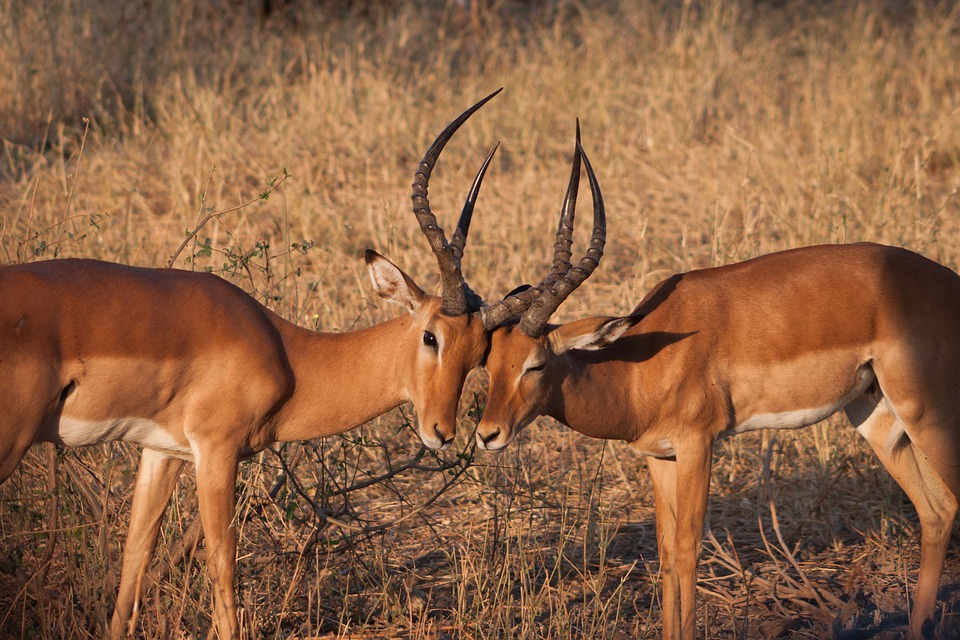
Located in Birnin Gwari Local Government Area of Kaduna State, Kamuku National Park is one of Nigeria’s lesser-known but ecologically rich parks. Covering about 1,120 km², the park represents a classic Guinea Savannah ecosystem, filled with woodlands, tall grasses, and diverse wildlife. Though less famous than Yankari or Cross River, Kamuku offers a unique blend of wildlife, culture, and landscape beauty.
📌 Geography and Features
- Location: Northwestern Nigeria, near the town of Birnin Gwari, Kaduna State.
- Size: About 1,120 km², making it a mid-sized park.
- Landscape: Rolling savannah plains, scattered hills, woodlands, and river valleys.
- Vegetation: Dominated by Guinea Savannah species such as Isoberlinia doka, Burkea africana, and Detarium microcarpum.
📌 Wildlife in Kamuku National Park
The park is home to a variety of animal and bird species, including:
- Large Mammals: Elephants, roan antelopes, hartebeests, buffaloes, and baboons.
- Carnivores: Leopards, hyenas, jackals, and civet cats.
- Birds: Over 177 bird species, including saddle-billed storks, martial eagles, and ground hornbills.
- Reptiles: Nile crocodiles and various snakes.
Kamuku shares ecological similarities with Kwiambana Game Reserve in Zamfara State, forming an important conservation corridor.
📌 Economic and Cultural Importance
- Surrounding communities practice farming and pastoralism, relying on the park’s environment for resources.
- Local festivals and traditional rituals often celebrate the savannah and wildlife.
- The park is a potential hub for eco-tourism and educational research.
📌 Tourism and Activities
Visitors to Kamuku National Park can enjoy:
- Game viewing: Safari tours to spot elephants, antelopes, and birds.
- Bird watching: A paradise for ornithologists.
- Photography and nature walks: The savannah landscape offers striking visuals.
- Cultural tours: Engage with local Fulani and Hausa communities around the park.
📌 Challenges Facing the Park
- Poaching: Hunting of elephants and antelopes threatens populations.
- Deforestation: Logging and farming around the park reduce habitat quality.
- Insecurity: Banditry and instability in some parts of Kaduna State affect tourism potential.
- Low funding: Limited government investment for rangers, infrastructure, and eco-tourism.
📌 Conservation and Future Potential
To unlock Kamuku’s potential, Nigeria needs to:
- Strengthen wildlife protection and ranger patrols.
- Develop eco-tourism infrastructure (lodges, guided tours).
- Partner with local communities for sustainable livelihoods.
- Promote the park internationally as part of Nigeria’s eco-tourism destinations.
📌 Attractions Around Kamuku National Park
- Birnin Gwari Town 🏘️ – a historic Hausa settlement with cultural traditions.
- Zaria City 🕌 – famous for its Emir’s Palace and history as a Hausa city-state.
- Kaduna City 🌆 – urban center with museums and cultural sites.
✅ Conclusion
Though relatively unknown, Kamuku National Park is a hidden savannah jewel in Nigeria’s protected areas. Its elephants, antelopes, and birdlife make it a valuable conservation zone, while its cultural setting adds depth to the experience. With investment and better security, Kamuku could become a leading eco-tourism site in northern Nigeria, showcasing the beauty of the country’s savannah ecosystem.










Related Posts

Stay Informed With the Latest & Most Important News
Previous Post
Next Post


Advertisement