Now Reading: Chad Basin National Park: Nigeria’s Wetland Wilderness
-
01
Chad Basin National Park: Nigeria’s Wetland Wilderness
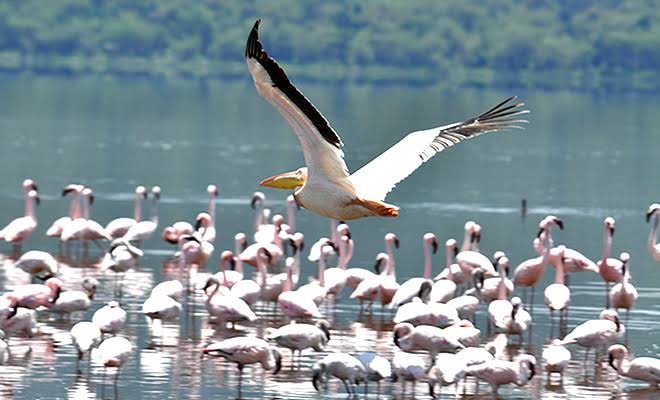

The Chad Basin National Park, located in Borno and Yobe States, is one of Nigeria’s largest protected areas. Covering about 2,258 km², it preserves the unique ecosystems of the Sahel and Sudan savannahs along the borders with Niger, Chad, and Cameroon. The park is divided into three sectors, each with distinct landscapes and wildlife, making it a critical site for wetland conservation, migratory birds, and desert-edge ecosystems.
📌 Geography and Divisions
Chad Basin National Park consists of three non-contiguous sectors:
- Chingurmi-Duguma Sector (Borno State)
- Dominated by Sudan–Sahel savannah woodlands.
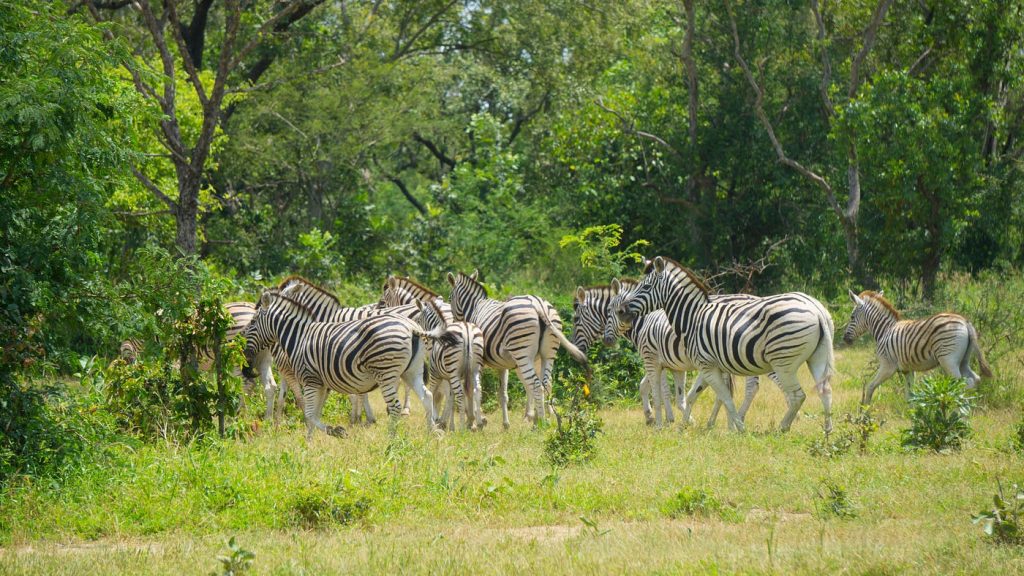
- Supports elephants, giraffes, antelopes, and big cats.
- Bade-Nguru Wetlands (Yobe State)
- Part of the Hadejia-Nguru wetlands, a RAMSAR site of international importance.
- Seasonal floodplains attract thousands of migratory birds from Europe and Asia.
- Key for fishing, grazing, and farming.
- Bulatura Sector (Yobe State)
- Known for its chain of sand dunes and interdunal wetlands.
- Unique blend of desert and wetland habitats.
📌 Wildlife in Chad Basin National Park
- Mammals: Elephants, giraffes, roan antelopes, hartebeests, and crocodiles.
- Birds: Over 370 species recorded, including migratory waterfowl, storks, pelicans, and cranes.
- Reptiles: Nile crocodiles, monitor lizards, and snakes.
- Aquatic Life: Rich fish diversity in the wetlands, supporting local livelihoods.
📌 Ecological Importance
- Wetlands Conservation: The Bade-Nguru wetlands regulate flooding and support irrigation agriculture.
- Migratory Birds: Acts as a wintering ground for birds traveling between Europe, Asia, and Africa.
- Desert Ecosystem Protection: Preserves fragile Sahel habitats, preventing desert encroachment.
📌 Socio-Economic and Cultural Role
- Supports fishing, cattle grazing, and farming for local communities.
- Cultural festivals often align with seasonal flooding and harvests.
- Local Fulani, Kanuri, and Hausa communities depend on its natural resources.
📌 Challenges Facing the Park
- Insecurity: Insurgency and conflicts in the northeast have limited conservation and tourism.
- Poaching: Hunting of elephants, antelopes, and waterfowl.
- Overfishing & Farming Pressure: Human activity strains wetland resources.
- Climate Change: Lake Chad shrinkage and desertification reduce water availability.
- Underfunding: Limited resources for rangers and infrastructure.
📌 Tourism Potential
Despite challenges, Chad Basin National Park holds enormous eco-tourism promise:
- Bird Watching: International appeal for ornithologists.
- Safari Tours: Game drives in Chingurmi-Duguma sector.
- Cultural Tourism: Fulani, Kanuri, and Hausa cultural experiences.
- Wetland Adventures: Fishing and boat trips in the Bade-Nguru floodplains.
📌 Attractions Near the Park
- Lake Chad 🌊 – once one of Africa’s largest lakes, now much reduced but still culturally and ecologically important.
- Nguru Town 🏘️ – center for wetland trade and crafts.
- Borno & Yobe Landscapes 🏞️ – offer insights into Sahel life.
✅ Conclusion
The Chad Basin National Park is a unique blend of desert, savannah, and wetland ecosystems. It is vital for biodiversity, local livelihoods, and global migratory bird routes. While insecurity and environmental challenges limit its current potential, long-term peace and investment could transform it into one of West Africa’s leading wetland eco-tourism destinations.










Related Posts

Stay Informed With the Latest & Most Important News
Previous Post
Next Post


Advertisement