
Now Reading: Kiki Mordi – Fearless Voice for Justice
1
-
01
Kiki Mordi – Fearless Voice for Justice
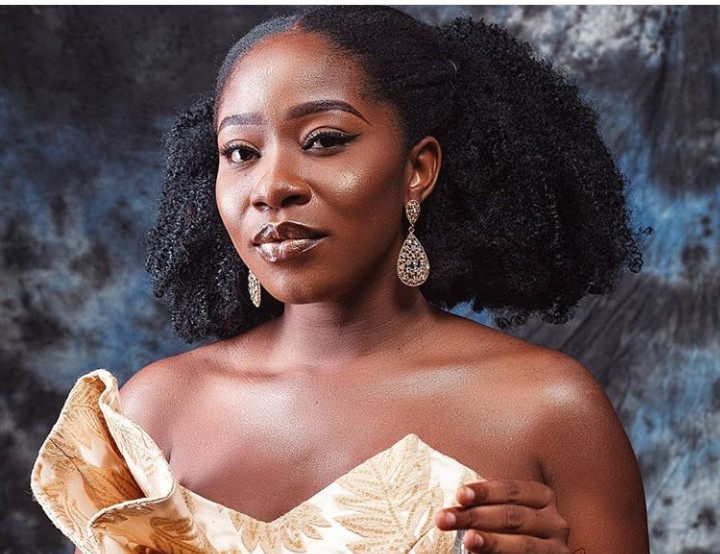

📍 Quick Facts
- Full Name: Kiki Mordi
- Born: 12 August 1991, Port Harcourt, Rivers State 🇳🇬
- Profession: Investigative Journalist, Filmmaker, Radio Personality, Activist
- Known For: BBC Africa Eye documentary “Sex for Grades” (2019), Women’s rights activism, Storytelling
👶 Early Life & Education
- Grew up in Port Harcourt before moving to other Nigerian cities.
- Studied Medicine initially but left after facing harassment at university.
- This painful experience later inspired her to speak up against sexual harassment in Nigeria’s educational system.
🎙️ Media & Journalism Career
- Started as a radio presenter with WFM 91.7, Nigeria’s first women-focused radio station.
- Transitioned into investigative journalism, focusing on gender equality, education, and social justice.
- Works published by international platforms like BBC, Al Jazeera, The Guardian, Deutsche Welle.
🎥 Breakthrough: Sex for Grades
In 2019, Kiki Mordi became a global name when she worked with BBC Africa Eye on the explosive undercover documentary:
- “Sex for Grades” 🎓 exposed lecturers in Nigeria and Ghana demanding sex in exchange for academic favors.
- The film led to massive public outrage, university investigations, and suspension of some academics.
- Sparked a continental conversation about sexual abuse in African universities.
- Won several awards, including international recognition for Best African Storytelling.
🌍 Advocacy & Activism
- Strong advocate for women’s rights, education reform, and gender equality.
- Uses her platform to empower young women to speak out against abuse.
- Also raises awareness on social justice, governance, and human rights in Africa.
🏆 Awards & Recognition
- 🏅 2020 International Emmy Awards Nominee (Sex for Grades).
- 🏅 People Journalism Prize for Africa (PJPA).
- 🏅 Featured in BBC 100 Women (2020) list of most inspiring women.
- 🏅 Multiple recognitions for her contributions to investigative journalism.
💬 Notable Quote
“Silence protects the abuser, not the abused. Speaking out is the first step to change.”
🌟 Legacy & Impact
Kiki Mordi represents a new generation of Nigerian journalists — bold, fearless, and unafraid to confront power. Her storytelling not only challenges injustice but also inspires African women and youth to demand accountability.
She has become a symbol of resilience and truth-telling, proving that journalism can spark real change in society.










Related Posts


Stay Informed With the Latest & Most Important News
Previous Post
Next Post
Advertisement

Donations




Loading Next Post...


