
Now Reading: King Dandeson Douglas Jaja (Jeki V): Amanyanabo of Opobo
1
-
01
King Dandeson Douglas Jaja (Jeki V): Amanyanabo of Opobo
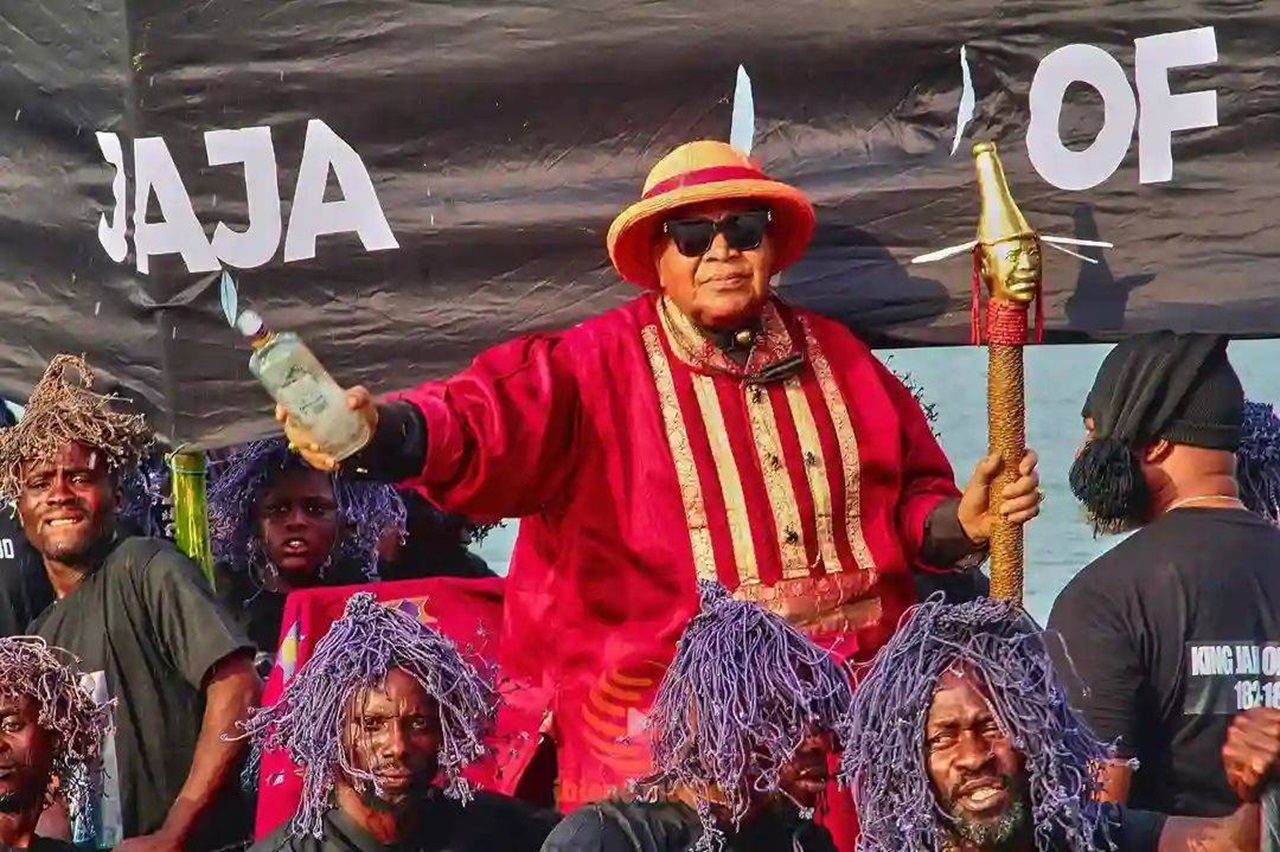
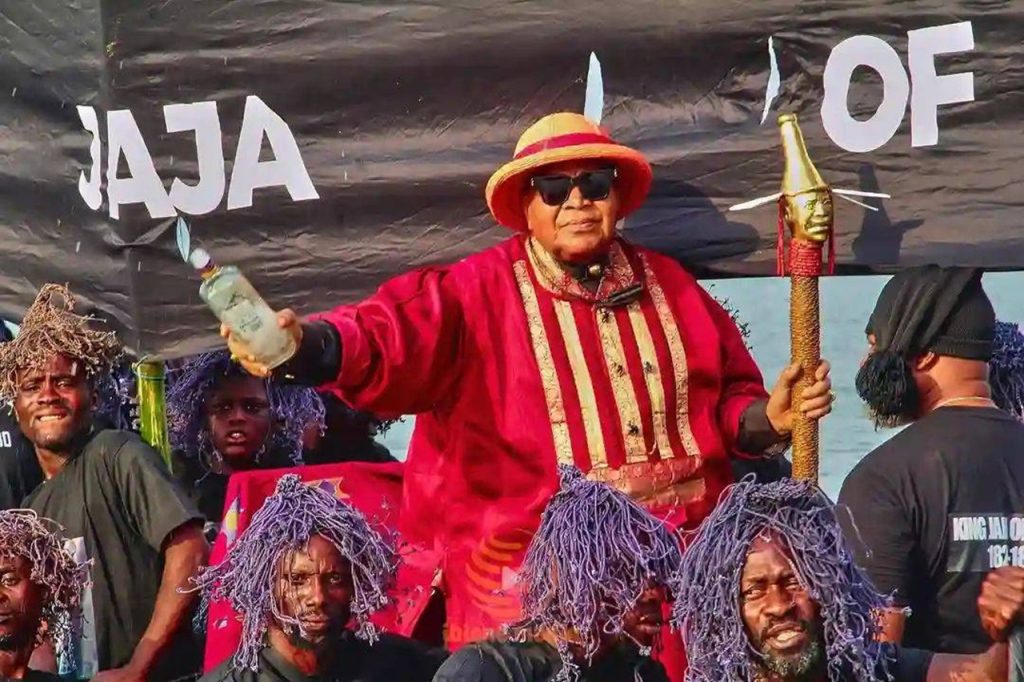
King Dandeson Douglas Jaja (Jeki V): Amanyanabo of Opobo

Early Life and Background
King Dandeson Douglas Jaja was born into the royal lineage of the House of Jaja, direct descendants of King Jaja of Opobo (1821–1891), the founder of the Opobo Kingdom.
- King Jaja, originally from Igboland, rose from slavery in Bonny to become one of the most powerful rulers in the Niger Delta before British colonial forces exiled him.
- The present king’s heritage makes him a symbol of continuity of that remarkable history.
Education and Career
- Educated in Nigeria and abroad, King Dandeson Douglas Jaja studied law and governance, preparing him for leadership.
- Built a career in public service and community development before his ascension to the throne.
- Known for his strong voice on issues affecting the Niger Delta, particularly resource control, development, and environmental justice.
Ascension to the Throne
- On 23 January 2010, he was installed as the Amanyanabo of Opobo Kingdom, taking the title Jeki V.
- His enthronement was widely celebrated, marking a new chapter for the Opobo people and reinforcing the historic prestige of the House of Jaja.
Reign and Leadership
Custodian of King Jaja’s Legacy
- As a direct descendant of King Jaja, he preserves the memory and achievements of his ancestor.
- Presides over the annual King Jaja of Opobo Memorial Festival, which honors the founder’s resistance to colonial domination.
Community Development
- Advocates for education, youth empowerment, and healthcare within Opobo.
- Encourages the modernization of Opobo while preserving its Ibani traditions.
- Supports infrastructural development, including access to waterways and improved connectivity for Opobo settlements.
Cultural Custodian
- Presides over traditional rites, festivals, and councils of chiefs.
- Upholds the Ibani/Opobo identity in Rivers State and the wider Niger Delta.
National Influence
- Active member of the Rivers State Council of Traditional Rulers and the National Council of Traditional Rulers of Nigeria.
- Works alongside other monarchs to advance peace, stability, and cultural recognition.
- Voice in Niger Delta issues, particularly around oil exploitation and environmental sustainability.
Personal Traits
- Known for his diplomacy, humility, and progressive outlook.
- Respected as a monarch who combines royal heritage with modern leadership skills.
Legacy and Significance (So Far)
- Strengthens the visibility of the Opobo throne within Nigeria’s traditional leadership system.
- Preserves the historic legacy of King Jaja, ensuring new generations learn from his courage and leadership.
- Seen as a monarch who connects tradition, development, and advocacy.
Conclusion
King Dandeson Douglas Jaja (Jeki V), the Amanyanabo of Opobo since 2010, is more than a traditional monarch — he is a living heir of King Jaja’s extraordinary legacy, a custodian of Ibani culture, and a statesman for the Niger Delta. His reign blends respect for history with a modern vision for peace, development, and cultural pride in Opobo Kingdom.










Related Posts

Stay Informed With the Latest & Most Important News
Previous Post
Next Post


Advertisement

Donations






Loading Next Post...


