Now Reading: Lagos: The City of Hustle
-
01
Lagos: The City of Hustle
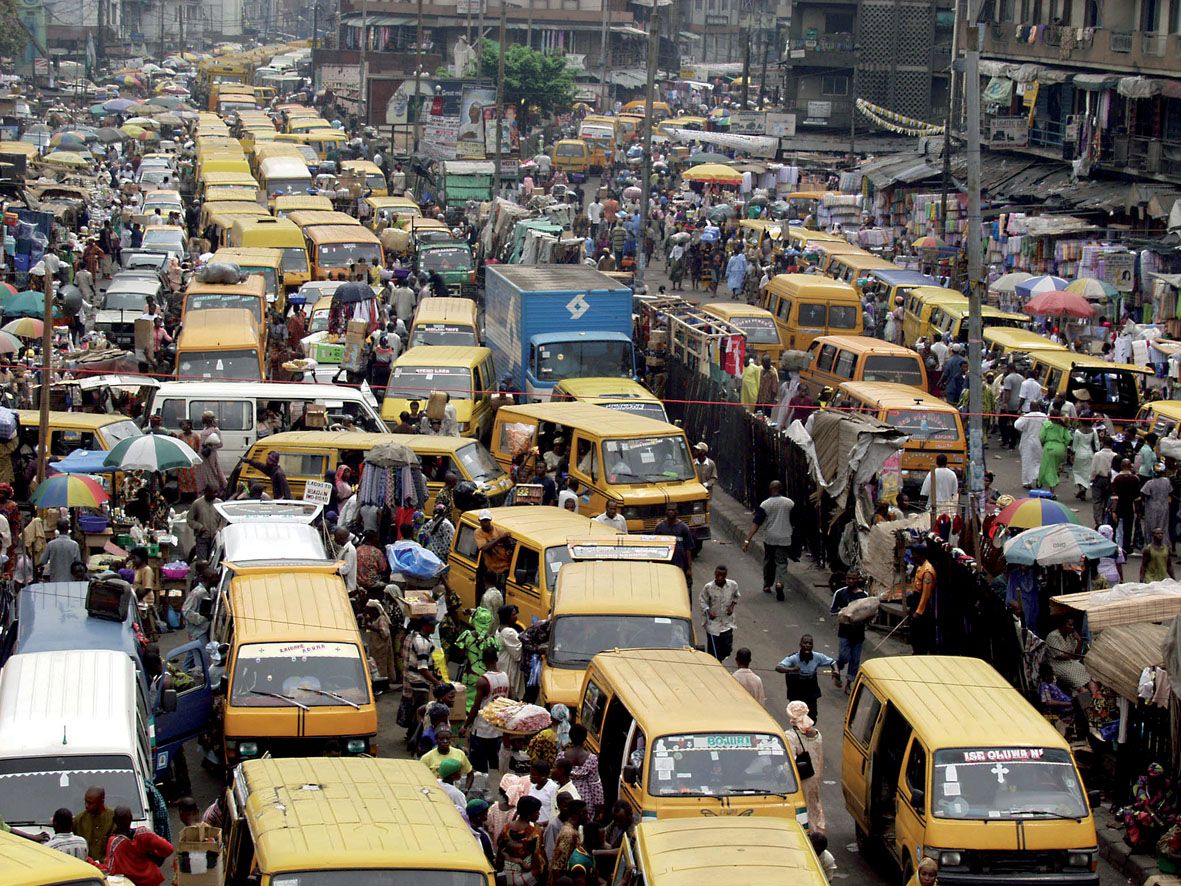

Traffic jams form along Nnamdi Azikiwe street in Lagos January 22,
2003. Drivers in Lagos are stopping to gape at UFOs – unidentified
flashing objects – that have been mysteriosly appearing at busy
intersections around the city of Lagos, the commercial nerve centre of
Nigeria. REUTERS/George Esiri
GE/GB
If Nigeria is the “Giant of Africa,” then Lagos is its beating heart. With over 20 million residents, Lagos is not only Africa’s largest city but also one of its most dynamic. A place where dreams are made—or broken—Lagos embodies the energy, chaos, and creativity of modern Nigeria. From the relentless traffic jams to the glittering nightlife, from sprawling markets to towering skyscrapers, Lagos is truly the City of Hustle.
🌍 A City of Contrasts
- Economic Hub: Lagos generates over 30% of Nigeria’s GDP and is home to the country’s busiest ports, financial centers, and industries.
- Population Pressure: The city grows by thousands of people daily as migrants arrive chasing opportunities.
- Wealth & Poverty Side by Side: Affluent neighborhoods like Ikoyi and Victoria Island exist alongside crowded areas like Ajegunle and Makoko.
The result is a city defined by contrast—rich and poor, modern and traditional, struggle and success.
💼 The Hustle Culture
Lagosians are renowned for their resilience and resourcefulness. The “Lagos hustle” means:
- Small Business Everywhere: From roadside food sellers to tech startups in Yaba’s “Silicon Lagoon.”
- Gig Economy: Ridesharing, logistics, content creation, and freelance work are booming.
- Never-Ending Workday: Lagos rarely sleeps—markets, transport, and entertainment run late into the night.
This spirit of hustle has made Lagos a magnet for entrepreneurs and dreamers.
🚧 Challenges of Life in Lagos
Living in Lagos is not for the faint-hearted:
- Traffic Jams (“Go-Slow”): Commuters spend hours navigating clogged roads.
- Housing Pressure: Rising rents push many into informal settlements.
- Infrastructure Strain: Power cuts, flooding, and waste management issues test the city’s resilience.
- Security Concerns: Petty theft and occasional unrest add to urban stress.
Yet, despite these challenges, Lagosians keep moving, innovating, and adapting.
🎶 Lagos as a Cultural Powerhouse
Lagos is not just Nigeria’s economic capital—it is also its cultural capital:
- Music: The global rise of Afrobeats, with superstars like Burna Boy, Wizkid, and Davido, has roots in Lagos studios and clubs.
- Fashion: Lagos Fashion Week places Nigerian designers on international runways.
- Film: Nollywood, one of the largest film industries in the world, is headquartered in Lagos.
- Festivals: Events like Felabration celebrate the city’s deep musical and artistic heritage.
Through music, fashion, and film, Lagos shapes global perceptions of Nigeria and Africa.
🌍 The Future of Lagos
By 2100, Lagos is projected to become the world’s largest city with over 80 million people. To prepare, it must:
- Expand infrastructure (roads, rail, housing).
- Invest in sustainability to combat flooding and climate change.
- Support innovation in tech, finance, and the creative industries.
- Ensure inclusive growth so that wealth is not limited to a few.
If managed well, Lagos could remain Africa’s gateway to the world.
✅ Conclusion
Lagos is chaos and opportunity rolled into one. It is where resilience meets creativity, and where survival instincts transform into innovation. For millions, Lagos is more than a city—it is a test of endurance, a stage for ambition, and a symbol of Nigeria’s energy.
To live in Lagos is to hustle, but to hustle in Lagos is to thrive.










Related Posts


Stay Informed With the Latest & Most Important News
Previous Post
Next Post
Advertisement