
Now Reading: Murtala Mohammed – The Fiery Federal Commander and Head of State
1
-
01
Murtala Mohammed – The Fiery Federal Commander and Head of State
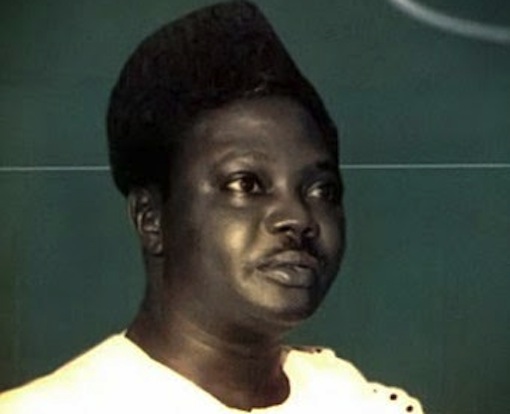
Murtala Mohammed – The Fiery Federal Commander and Head of State

(Part of the Nigeria234.com Civil War Series (1966–1970))
📍 Quick Facts
- Full Name: Murtala Ramat Mohammed
- Born: November 8, 1938 – Kano, Nigeria 🇳🇬
- Died: February 13, 1976 – Lagos, Nigeria (assassinated in a coup attempt)
- Profession: Soldier, Politician
- Known For: Federal commander during the Civil War; Nigeria’s Head of State (1975–1976).
- Legacy: Remembered as a bold reformer whose leadership was cut short.
👶 Early Life & Education
- Born in Kano into a Hausa-Fulani Muslim family.
- Attended Cikin Gida Elementary School and later Government College Zaria (Barewa College), which produced many Nigerian leaders.
- Joined the Nigerian Army in 1958.
- Trained at the Royal Military Academy, Sandhurst (UK) and later at military colleges in Nigeria and abroad.
🎖️ Military Career Before the War
- Rose quickly through the ranks, known for his fearless and outspoken personality.
- Involved in the July 1966 counter-coup that brought Yakubu Gowon to power after the killing of General Aguiyi-Ironsi.
⚔️ Role in the Nigerian Civil War
- Appointed commander of the 2nd Infantry Division of the Federal Army.
- Led campaigns in the Mid-West and later against Biafran strongholds in the East.
His Reputation in War
- Known for his aggressive tactics and uncompromising style.
- His division was accused of committing atrocities against civilians during its advance — a subject that remains controversial among historians.
- Loved by his soldiers for his fiery leadership, but feared by enemies for his ruthlessness.
🏛️ Rise to Head of State
- After the war, continued to rise within the army.
- In July 1975, led a bloodless coup that removed Yakubu Gowon while he was abroad.
- Became Nigeria’s Head of State at age 37.
🌍 Reforms in Power
Murtala Mohammed ruled for only 200 days, but his impact was lasting:
- Purged the civil service of corruption and inefficiency.
- Announced plans to move Nigeria’s capital from Lagos to Abuja.
- Pursued a bold foreign policy, especially in support of African liberation struggles (Angola, South Africa, Rhodesia/Zimbabwe).
- Restored Nigerians’ confidence in leadership with his decisive, no-nonsense style.
🕊️ Assassination
- On February 13, 1976, Murtala Mohammed was assassinated in Lagos during a failed coup led by Lt. Col. Buka Suka Dimka.
- His sudden death shocked the nation.
- Succeeded by his deputy, General Olusegun Obasanjo, who continued many of his policies.
🏆 Legacy
- Remembered as one of Nigeria’s most dynamic and reformist leaders, despite his short time in office.
- Lagos’s main airport was renamed Murtala Mohammed International Airport in his honor.
- His Civil War legacy remains debated, but his postwar leadership earned him respect across Nigeria.
💬 Famous Quote
“Africa has come of age. It is no longer under the orbit of any extra-continental power.”
🌟 Conclusion
Murtala Mohammed’s life was a mix of wartime ruthlessness and peacetime reformist brilliance. As a commander, he was controversial; as Head of State, he was transformative. His assassination robbed Nigeria of a leader many believed could have changed the nation’s destiny.










Related Posts

Stay Informed With the Latest & Most Important News
Previous Post
Next Post

Advertisement

Donations







Loading Next Post...


