Nigerian Cuisine
Jollof · Suya · Soups · Street Food
Explore the rich, spicy, and diverse culinary heritage of Nigeria, where bold flavors, hearty staples, and regional specialties create one of Africa's most vibrant food cultures.

A feast of
color and spice
Nigerian Cuisine is a vibrant, deeply flavorful reflection of the country's diverse landscape and its 250+ ethnic groups. Characterized by the generous use of spices, herbs, and sustainably sourced palm oil, the food is known for being rich, deeply savory, and often powerfully spicy.
At the foundation of the diet are hearty carbohydrates—yams, cassava, plantains, and rice. These bases are transformed into "swallows" (like Pounded Yam, Fufu, and Eba) which are traditionally eaten by hand, dipped into an array of thick, complex soups and stews loaded with various meats, dried fish, and indigenous vegetables.
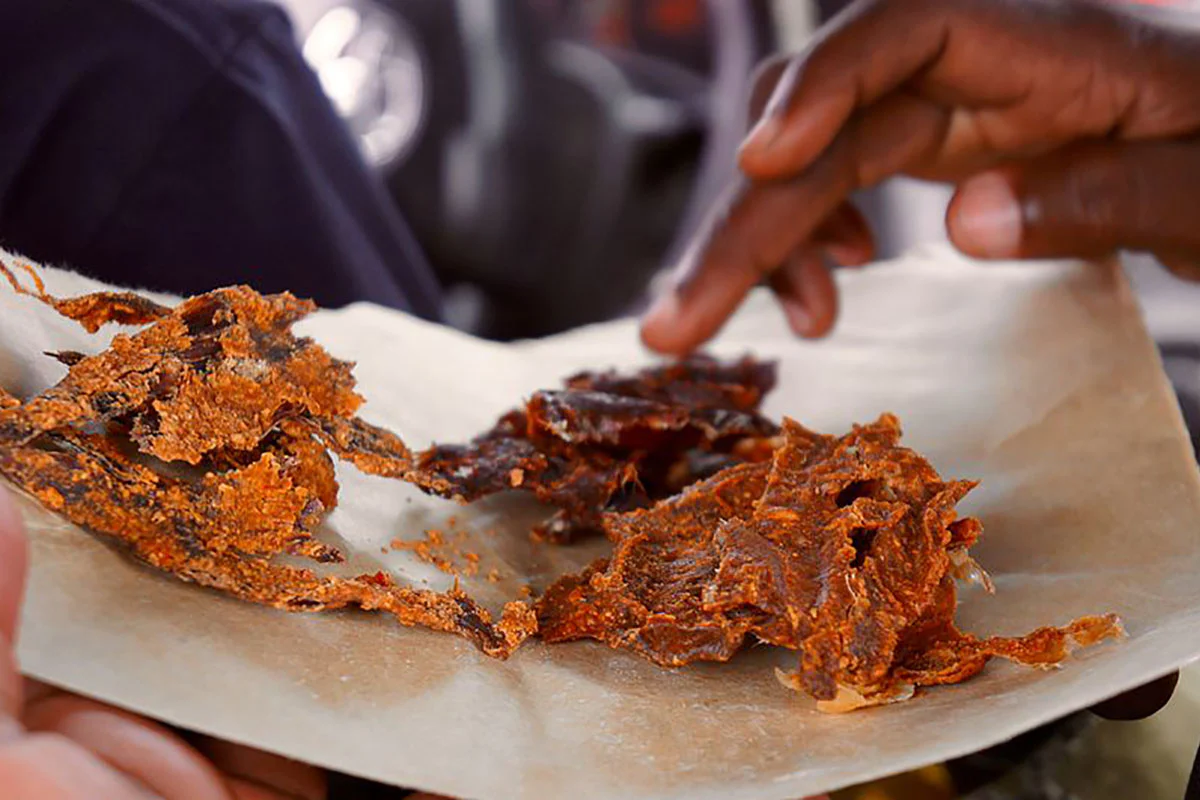
Beyond the home kitchen, Nigerian food culture thrives on the streets and in "Bukas" (local canteens). From the smoky allure of Suya (spiced grilled meat) to the legendary regional rivalries over who makes the best Jollof Rice, food in Nigeria is the ultimate unifier, a focal point of every celebration and a proud cultural export.
- The Base: Palm oil, groundnut oil, tomatoes, onions, and the fiery Scotch Bonnet pepper (Ata Rodo).
- The Umami: Ground crayfish, locust beans (Iru/Dawadawa), and bouillon cubes (Maggi/Knorr).
- The Protein: "Assorted meat" (beef, goat, tripe, cow skin/ponmo), smoked fish, and stockfish.
The Pantry Essentials
What makes the food distinctively Nigerian
Explore the Menu
From celebration feasts to roadside quick bites
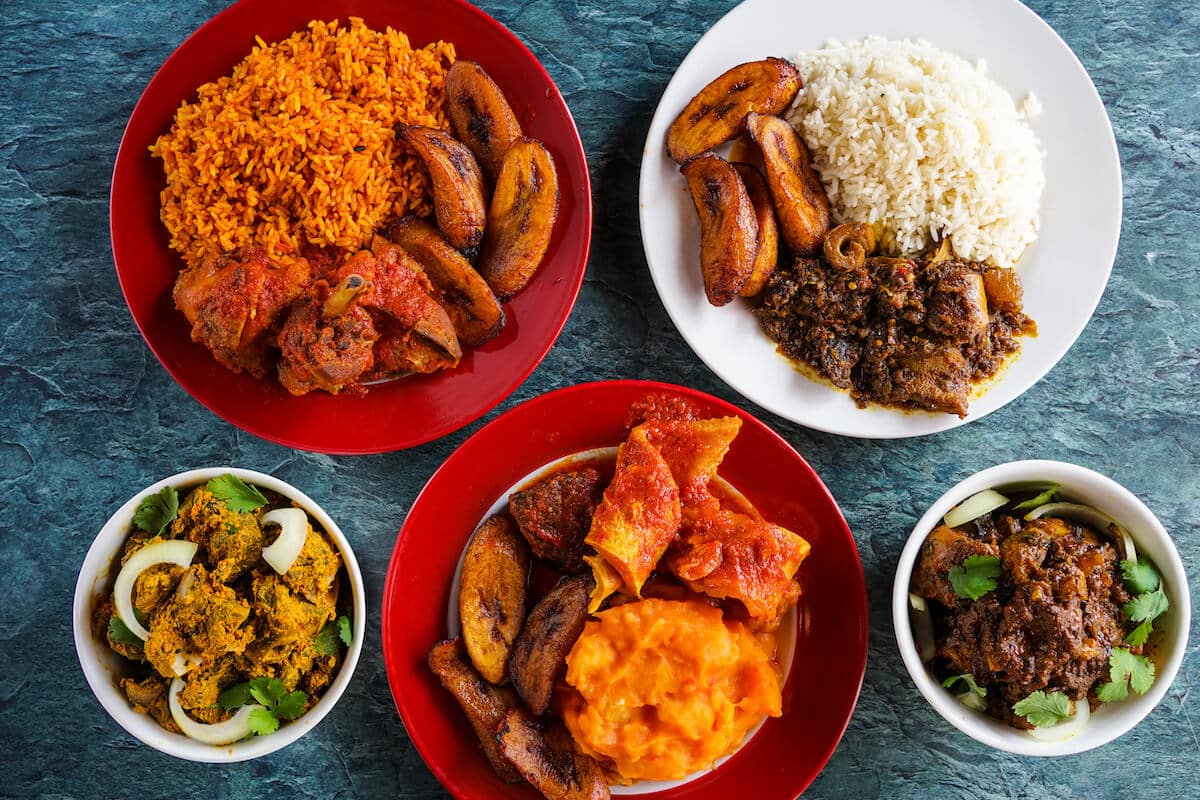
A typical Nigerian feast featuring vibrant jollof rice, pounded yam, rich assorted meat soups, and fried plantains.
| South West (Yoruba) | Amala, Ewedu, Gbegiri, Efo Riro, Ofada Rice & Ayamase stew. Known for high spice levels. |
|---|---|
| South East (Igbo) | Ofe Owerri, Abacha (African Salad), Nkwobi, Ofe Onugbu (Bitterleaf soup). |
| South South (Delta) | Banga Soup, Fisherman Soup, Edikang Ikong, Afang. Heavy reliance on fresh seafood and palm nut. |
| North (Hausa/Fulani) | Tuwo Shinkafa (rice swallow), Suya, Kilishi, Masa, Miyan Kuka. Less palm oil, more grains and beef. |
Culinary Culture
The social significance of Nigerian food
Jollof Rice is the undisputed king of West African festive foods. The "Jollof Wars" is a fierce but friendly online and cultural rivalry, primarily between Nigeria and Ghana, over who makes the best version. Nigerian "Party Jollof" is distinct for its smoky flavor, achieved by cooking it over firewood and letting the bottom slightly burn.
"Swallow" is the colloquial term for starchy doughs like Pounded Yam or Garri. Eating it is an art: you pinch off a small piece with your right hand, roll it into a ball, make an indentation with your thumb to scoop up the soup and meat, and swallow without chewing the dough.
Nigerian stews rarely rely on just one type of protein. A standard pot of Egusi soup will feature "assorted meat"—a mix of beef, goat meat, tripe (shaki), cow skin (ponmo), and dried stockfish. This nose-to-tail approach provides incredible depth of flavor and varied textures.
Driven by a massive expatriate population, Nigerian cuisine is experiencing a global boom. From high-end dining spots in London to bustling Bukas in Brooklyn and Houston, the demand for authentic Jollof, Suya, and Egusi has made Nigerian food one of the fastest-growing culinary trends worldwide.
Menu Dictionary
A guide to common Nigerian dishes
| Name | Base Ingredient | Profile |
|---|---|---|
| Egusi | Ground Melon Seeds | Nutty, rich, very popular nationwide. |
| Ogbono | Wild Mango Seeds | Viscous ("draw soup"), earthy flavor. |
| Efo Riro | Spinach / Greens | Rich vegetable stew with locus beans. |
| Banga | Palm Nut Extract | Thick, savory, spiced palm oil base. |
| Pepper Soup | Meat broth & spices | Light, watery, extremely spicy and medicinal. |
| Item | Type | Description |
|---|---|---|
| Puff-Puff | Snack | Deep-fried, sweet dough balls. |
| Akara | Snack / Breakfast | Deep-fried bean paste fritters. |
| Meat Pie | Snack | Baked pastry filled with minced meat & potatoes. |
| Zobo | Drink | Chilled, sweetened hibiscus leaf tea with ginger. |
| Chapman | Drink | Signature Nigerian mocktail (Fanta, Sprite, Grenadine). |
Culinary Resources
See also & internal links
Go deeper