Now Reading: Nigeria’s IDP Crisis: Lives in Limbo
-
01
Nigeria’s IDP Crisis: Lives in Limbo
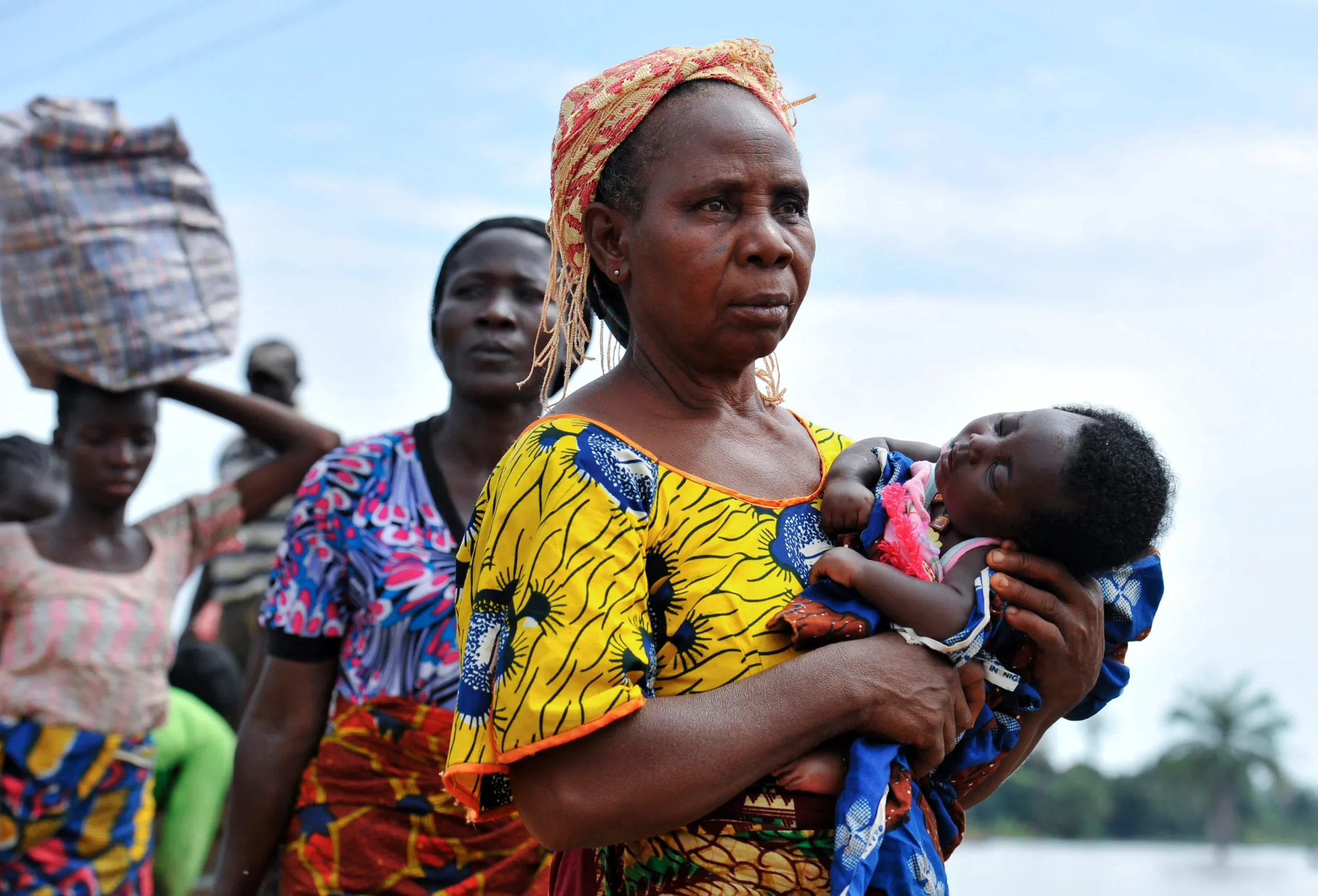


Behind Nigeria’s headlines of politics, oil, and football lies a quieter tragedy—the lives of millions of internally displaced persons (IDPs). Forced to flee their homes due to conflict, terrorism, flooding, and communal clashes, IDPs now live in camps and host communities where survival is a daily struggle. Their stories reveal not only the scale of Nigeria’s humanitarian crisis but also the resilience of ordinary people facing extraordinary hardship.
📊 The Scale of Displacement
Nigeria has one of the largest populations of IDPs in Africa, with an estimated 3 million displaced persons according to the International Organization for Migration (IOM). Most are concentrated in the North-East, where Boko Haram insurgency and banditry have devastated entire communities. Flooding in the Niger and Benue river basins, as well as farmer-herder conflicts, have also uprooted thousands.
👩👧 Human Stories Behind the Numbers
In Maiduguri’s IDP camps, Fatima, a widowed mother of three, recalls fleeing her village after insurgents attacked. Her husband was killed, and she now struggles to feed her children with the little aid distributed.
Aisha, 17, dreams of becoming a teacher. But in her camp school, overcrowded classrooms and a shortage of teachers make learning almost impossible. “I don’t want to marry early,” she says, “I want to go back to school.”
Musa, once a farmer in Zamfara, now lives in a camp in Kaduna. Without land to till, he feels stripped of dignity: “I want to work, not just wait for food handouts.”
These stories echo across camps from Borno to Benue, showing the human face of displacement.
🚧 Daily Challenges
Life in Nigeria’s IDP camps is marked by scarcity and uncertainty:
- Food Insecurity: Rations are inadequate, often forcing families to skip meals.
- Healthcare Gaps: Limited access to clinics means treatable illnesses often become deadly.
- Education Barriers: Thousands of displaced children risk losing entire school years.
- Protection Issues: Women and girls face gender-based violence, harassment, and forced marriages.
- Livelihood Loss: Many IDPs were farmers, traders, or artisans but now depend on aid for survival.
🌍 Humanitarian Response
Local and international organizations are working tirelessly:
- Government Agencies: The National Emergency Management Agency (NEMA) and State Emergency Management Agencies (SEMAs) provide relief, though resources are stretched thin.
- NGOs and INGOs: Groups like the Red Cross, Médecins Sans Frontières (MSF), and the Norwegian Refugee Council (NRC) deliver food, healthcare, and shelter.
- Community Solidarity: Host communities often absorb IDPs despite limited resources, demonstrating Nigeria’s spirit of resilience.
Yet funding shortages, corruption, and insecurity continue to undermine humanitarian efforts.
💡 The Way Forward
Addressing Nigeria’s IDP crisis requires more than emergency aid—it demands long-term solutions:
- Peace and Security: Without ending insurgency, banditry, and communal violence, displacement will persist.
- Rehabilitation of Communities: Rebuilding homes, schools, and infrastructure in affected areas to allow safe returns.
- Livelihood Support: Empowering IDPs with vocational training, farming tools, and microfinance.
- Strengthened Policies: Full implementation of Nigeria’s 2012 IDP Policy and better coordination between federal and state actors.
- Education for Children: Prioritizing schooling to prevent a “lost generation” among displaced youths.
✅ Conclusion
Nigeria’s IDP crisis is more than a humanitarian statistic—it is about people like Fatima, Aisha, and Musa, whose lives have been upended. Their resilience is inspiring, but they cannot carry the burden alone. The government, civil society, and international partners must act with urgency to provide not just relief, but pathways to dignity, stability, and hope.
The measure of Nigeria’s future will not be in its oil revenues or skyscrapers, but in how it treats its most vulnerable citizens.










Related Posts


Stay Informed With the Latest & Most Important News
Previous Post
Next Post


Advertisement