
Now Reading: Oba of Lagos: Guardian of the Yoruba Island Kingdom
1
-
01
Oba of Lagos: Guardian of the Yoruba Island Kingdom


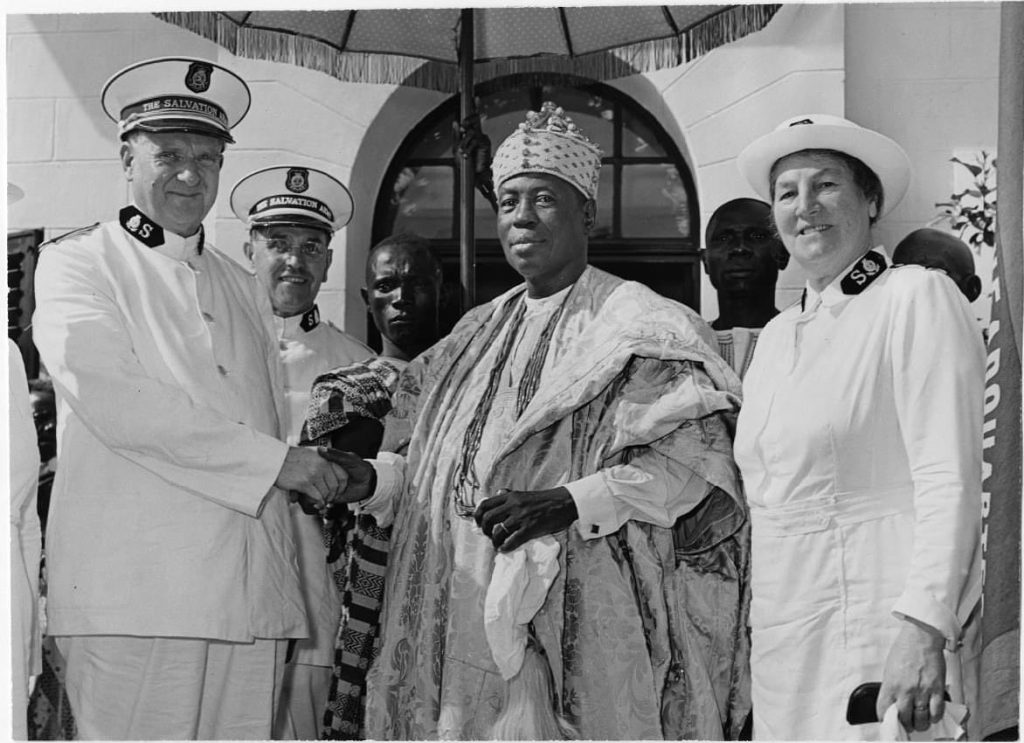
Historical Background
The Oba of Lagos is the traditional ruler of Lagos, Nigeria’s largest city and commercial hub.
- The dynasty traces its origins to Ashipa, a war captain of the Oba of Benin, who was sent to govern Lagos in the early 17th century.
- The Benin Kingdom established Lagos as a settlement under its influence, and Ashipa’s descendants became the Obas of Lagos.
- Thus, the Lagos monarchy blends Yoruba identity with Benin heritage.
Role and Authority
- The Oba of Lagos is a ceremonial and cultural monarch, but wields immense influence in politics, commerce, and society.
- Custodian of Yoruba traditions in Lagos, presiding over festivals, chieftaincy titles, and spiritual practices.
- Plays a key role as a cultural ambassador and mediator between Lagos State, Nigeria, and the Yoruba world.
The Palace
- The Iga Idunganran (Palace of the Oba of Lagos), built in the early 1600s, remains the royal residence.
- It is both a political and cultural landmark in Lagos Island, symbolizing continuity of authority.
Recent Obas
Oba Adeyinka Oyekan II (1965–2003)
- Known as the “People’s Oba,” he was respected for his humility and close relationship with Lagosians.
Oba Rilwan Akiolu (2003–present)
- Oba Rilwan Babatunde Osuolale Aremu Akiolu I ascended the throne in 2003.
- A retired Assistant Inspector-General of Police, he brought discipline and a modern approach to the throne.
- Known for his outspoken personality and visible role in Lagos’s civic life.
Cultural Role Today
- Presides over major festivals like the Eyo Festival, a Yoruba masquerade event unique to Lagos.
- Custodian of traditional rites and ceremonies in Lagos Island.
- Engages with the political leadership of Lagos State, maintaining influence over Yoruba politics.
- Receives foreign dignitaries and strengthens Lagos’s image as a gateway between tradition and modernity.
Legacy and Significance
- Symbol of continuity and resilience in one of Africa’s busiest cities.
- Represents the fusion of Benin heritage and Yoruba identity.
- His presence highlights the survival of monarchy within Nigeria’s democratic republic.
Conclusion
The Oba of Lagos is more than a monarch — he is a guardian of tradition in Nigeria’s modern megacity. From the days of Ashipa under Benin’s authority to Oba Akiolu today, the Lagos throne has endured as a powerful cultural institution. In a city defined by commerce, migration, and modernity, the Oba remains a living reminder of history, heritage, and Yoruba pride.










Related Posts

Stay Informed With the Latest & Most Important News
Previous Post
Next Post
Previous Post
Next Post
Advertisement

Donations






Loading Next Post...


