
Now Reading: Obi of Obinugwu: Traditional Monarch of Obinugwu Kingdom
1
-
01
Obi of Obinugwu: Traditional Monarch of Obinugwu Kingdom

Obi of Obinugwu: Traditional Monarch of Obinugwu Kingdom


Historical and Cultural Background
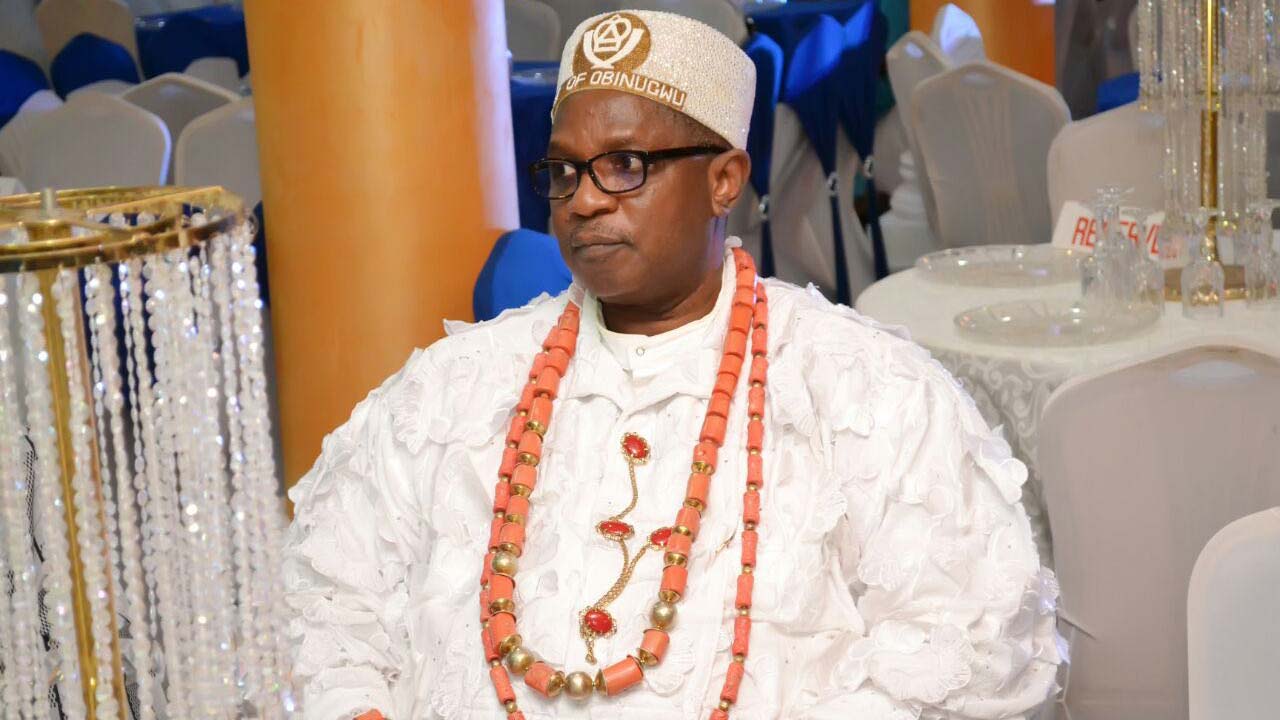
The Obi of Obinugwu is the traditional ruler of Obinugwu Autonomous Community, located in Ideato North Local Government Area, Imo State, southeastern Nigeria.
- Obinugwu is part of the Igbo cultural heartland, where most communities are republican, led by councils of elders.
- However, like Onitsha and Nnewi, Obinugwu maintains a centralized kingship, giving the Obi significant cultural and spiritual authority.
- The throne symbolizes unity, identity, and continuity for the Obinugwu people.
Role and Authority
- Custodian of Tradition: Presides over Obinugwu’s cultural practices, festivals, and ancestral rites.
- Community Leader: Oversees development initiatives, youth empowerment, and local governance in the community.
- Mediator: Acts as a peacemaker in disputes within and beyond the community.
- Spiritual Figure: Seen as the living embodiment of the people’s heritage.
The Current Obi: HRM Eze (Dr.) Cletus Ilomuanya
- The present Obi of Obinugwu is His Royal Majesty Eze (Dr.) Cletus Ilomuanya, a prominent monarch in Imo State.
- A respected Igbo traditional ruler, he is also known nationally for his role in advancing the relevance of traditional rulers in governance.
- Served as Chairman of the Imo State Council of Traditional Rulers.
- Played a role at the national level as Chairman of the South-East Council of Traditional Rulers.
- Advocates for unity, development, and recognition of traditional rulers in Nigeria’s democratic structure.
Achievements and Contributions
- Development: Promotes infrastructure and education projects within Obinugwu.
- Cultural Pride: Strengthened the visibility of Obinugwu in the larger Igbo cultural landscape.
- National Influence: Frequently engages in dialogue with political leaders, representing the voice of traditional rulers.
- Peacebuilding: Known for mediation efforts during periods of political and social tension in Imo State.
Legacy and Significance
- The Obi of Obinugwu stands as a symbol of authority and continuity in Igbo society.
- Through HRM Eze Cletus Ilomuanya, the throne has gained national recognition, linking a local kingship to Nigeria’s broader governance framework.
- A living example of how Igbo monarchs combine tradition with advocacy for modernization and inclusion.
Conclusion
The Obi of Obinugwu is more than a local king — he is a custodian of Igbo heritage, a community developer, and a national voice for traditional rulers. Under HRM Eze Cletus Ilomuanya, the throne continues to shine as a source of cultural pride and unity for the Obinugwu people, while also influencing the larger Nigerian landscape.










Related Posts


Stay Informed With the Latest & Most Important News
Previous Post
Next Post
Advertisement

Donations







Loading Next Post...


