
Now Reading: Olu of Warri: Monarch of the Itsekiri Kingdom
1
-
01
Olu of Warri: Monarch of the Itsekiri Kingdom
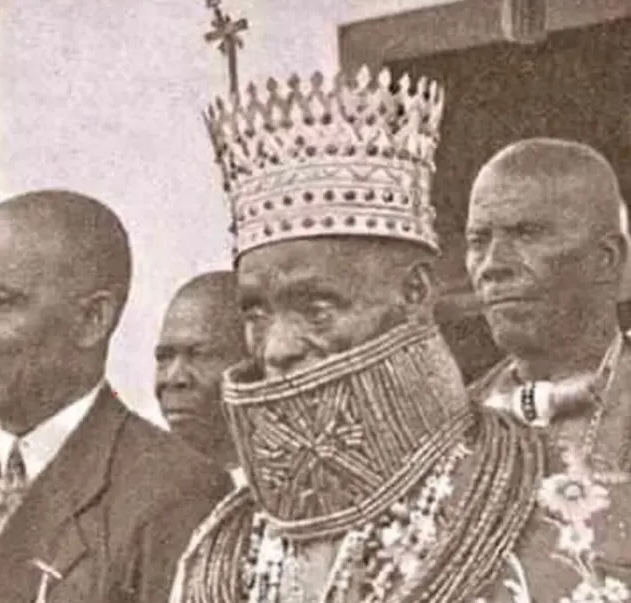

Historical Background
The Olu of Warri is the traditional ruler of the Itsekiri people, whose kingdom is centered in Warri, Delta State, Nigeria.
- The Itsekiri Kingdom was founded in the 15th century by Olu Ginuwa I, a prince of Benin who migrated to the coast.
- The monarchy combines Benin heritage, Itsekiri identity, and Portuguese/European influences from centuries of trade and interaction.
- The Olu is both a spiritual and political head, symbolizing the unity of the Itsekiri nation.
Role and Authority
- Cultural Custodian: Presides over Itsekiri traditions, festivals, and chieftaincy titles.
- Spiritual Leader: Embodies the ancestral and religious identity of the Itsekiri people.
- Mediator: Plays a role in resolving Niger Delta disputes, especially relating to oil, land, and community issues.
- Cultural Ambassador: Represents the Itsekiri globally, connecting them to the wider Yoruba and Edo heritage.
The Palace
- The Olu resides in the Aghofen Royal Palace, Warri, which serves as the cultural and political seat of the Itsekiri Kingdom.
Notable Historical Olus
Olu Ginuwa I (1480–1510)
- Founder of the Warri Kingdom, of Benin royal descent.
Olu Atuwatse I (Dom Domingo, early 17th century)
- First Christian monarch in the Niger Delta, educated by Portuguese missionaries.
Olu Erejuwa II (1951–1986, restored 1966)
- Deposed in 1964 during Nigeria’s political crises but reinstated in 1966.
- Advocate for Itsekiri rights and autonomy.
Olu Ikenwoli (2015–2020)
- Respected modern Olu who promoted peace and unity before his death in December 2020.
Current Monarch: Olu Atuwatse III
- His Majesty Ogiame Atuwatse III was crowned on 21 August 2021 as the 21st Olu of Warri, succeeding his late uncle, Olu Ikenwoli.
- Born Utieyinoritsetsola Emiko in 1984, son of Olu Atuwatse II (1987–2015).
- Educated at Case Western Reserve University, Ohio (International Studies and Political Science) and University of Dundee, Scotland (Master’s in Management).
- Married to Olori Ivie Emiko, with whom he has children.
Reign of Ogiame Atuwatse III
Modern Leadership
- Represents a new generation of Nigerian monarchs, blending royal tradition with youthful energy.
- Advocates for peace, human capital development, and environmental responsibility in the Niger Delta.
- Strong voice against marginalization of the Itsekiri in oil-related issues.
Cultural and Spiritual Renewal
- Revitalizes traditional Itsekiri festivals and practices.
- Promotes Christianity within the royal family while respecting ancestral traditions.
Global Outlook
- Engages with the Itsekiri diaspora and fosters international recognition of Warri Kingdom.
- Positions the Olu’s throne as both a traditional seat and a modern platform for advocacy.
Legacy and Significance (So Far)
- Represents continuity and renewal in the Itsekiri monarchy.
- Embodies both Benin royal descent and Itsekiri identity, maintaining cultural pride.
- Seen as a monarch with progressive vision, respected across Nigeria.
Conclusion
The Olu of Warri is more than a monarch — he is the voice of the Itsekiri nation, blending centuries of heritage with modern leadership. From Olu Ginuwa I’s migration from Benin to Ogiame Atuwatse III today, the throne of Warri remains one of the most enduring symbols of tradition, unity, and resilience in the Niger Delta.










Related Posts

Stay Informed With the Latest & Most Important News
Previous Post
Next Post


Advertisement

Donations






Loading Next Post...


