
Now Reading: Olusegun Obasanjo – The General Who Took Biafra’s Final Surrender
1
-
01
Olusegun Obasanjo – The General Who Took Biafra’s Final Surrender
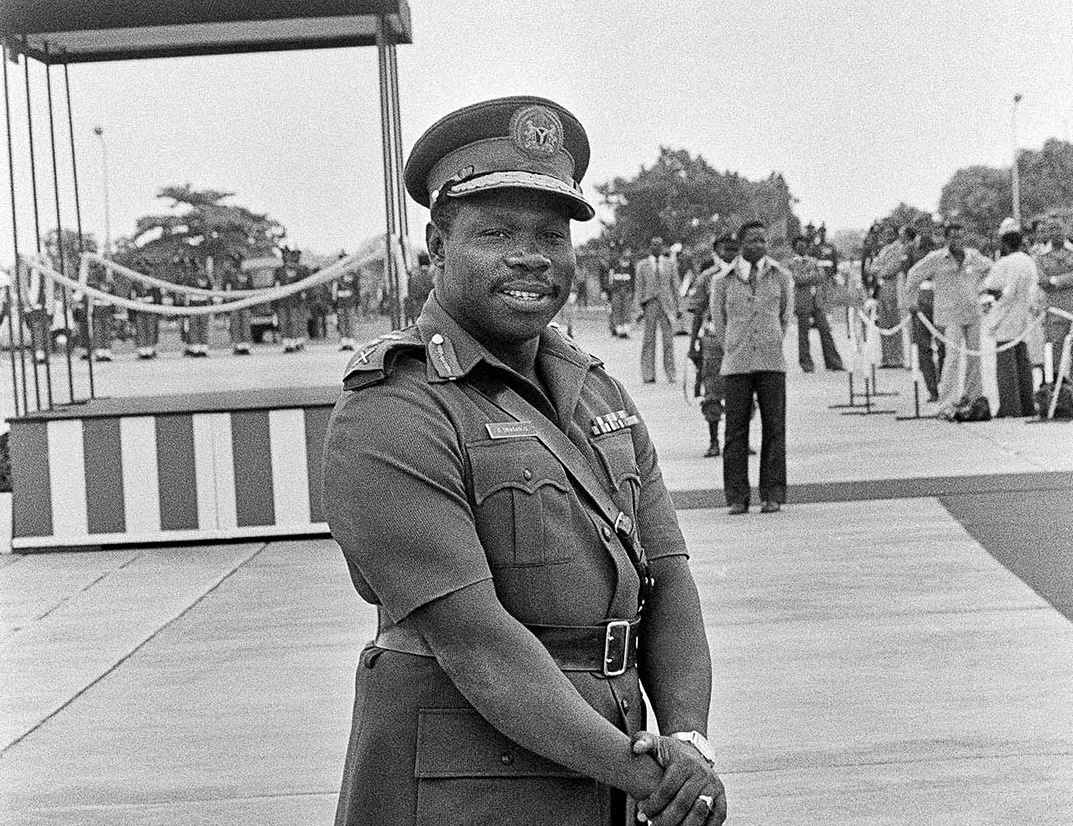
Olusegun Obasanjo – The General Who Took Biafra’s Final Surrender

(Part of the Nigeria234.com Civil War Series (1966–1970))
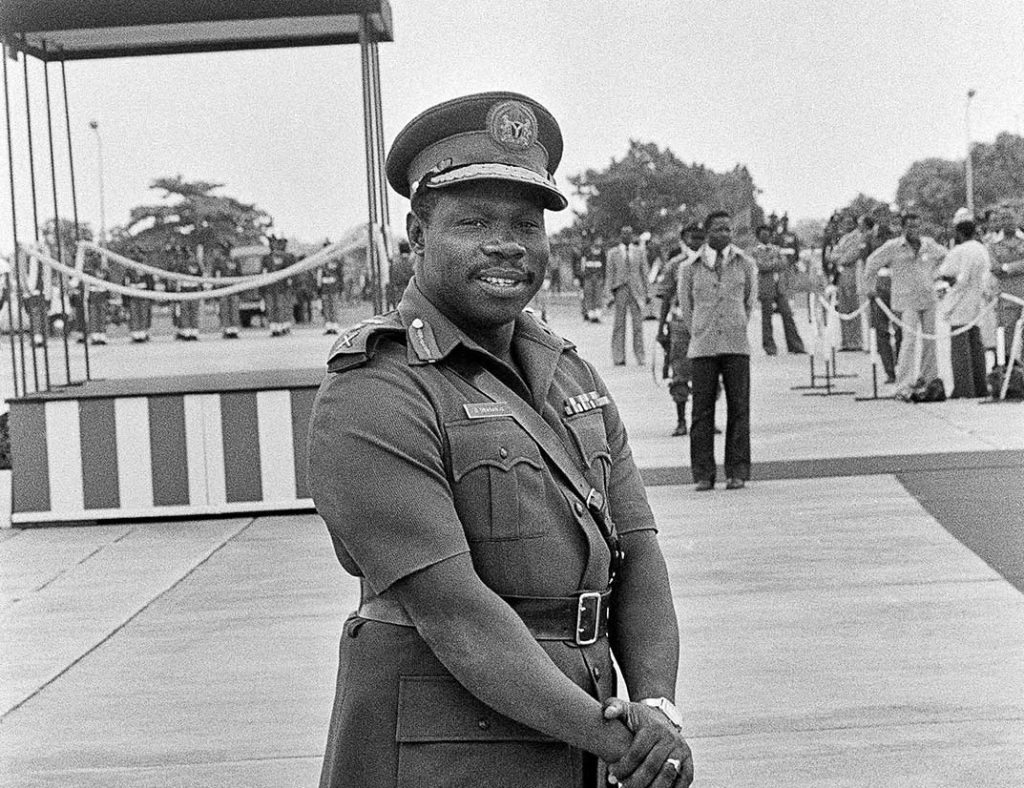
📍 Quick Facts
- Full Name: Olusegun Matthew Okikiola Aremu Obasanjo
- Born: March 5, 1937 – Abeokuta, Ogun State, Nigeria 🇳🇬
- Profession: Soldier, Politician, Statesman
- Known For: Federal Army commander who received Biafra’s surrender in 1970; Nigeria’s Head of State (1976–1979) and President (1999–2007).
👶 Early Life & Education
- Born into a Yoruba farming family in Abeokuta, Ogun State.
- Attended local schools before joining the Nigerian Army in 1958.
- Trained in India, the UK, and various military academies.
- Known early on as a disciplined, pragmatic, and ambitious officer.
🎖️ Military Career Before the War
- Served in the UN Peacekeeping Mission in Congo (1960s).
- Rose through the ranks of the Nigerian Army with a reputation for efficiency and strategic thinking.
⚔️ Role in the Nigerian Civil War
- By 1969, Obasanjo was appointed commander of the 3rd Marine Commando (3MCDO) Division, replacing Colonel Benjamin Adekunle (“Black Scorpion”).
- Led the final federal offensives against Biafra.
- Captured key towns including Owerri, Uli, and Uga, breaking Biafra’s last lines of defense.
- On January 13, 1970, he received the formal surrender of Biafra from General Philip Effiong, marking the end of the war.
⚡ This moment cemented Obasanjo’s reputation as the general who brought the war to a close.
🏛️ Rise to Head of State (1976–1979)
- After Murtala Mohammed’s assassination in 1976, Obasanjo became Nigeria’s Head of State.
- Oversaw a period of oil boom prosperity.
- Initiated major infrastructure projects and pursued African diplomacy.
- Most importantly, he handed over power to a civilian government in 1979 — the first peaceful transition from military to civilian rule in Nigeria.
🌍 Return as Civilian President (1999–2007)
- After years of military rule, Obasanjo was elected President in 1999, marking Nigeria’s return to democracy.
- Served two terms (1999–2007).
- Policies included:
- Debt relief negotiations with international creditors.
- Economic reforms under the Obasanjo Economic Team.
- Establishment of the EFCC to tackle corruption.
- However, his tenure was also criticized for alleged corruption, authoritarian tendencies, and a failed attempt at a third term.
🕊️ Later Life
- After leaving office in 2007, became an African elder statesman, mediating conflicts across the continent.
- Continues to be a powerful political voice in Nigeria.
🏆 Legacy
- Civil War: remembered as the general who ended the conflict.
- Politics: Nigeria’s only leader to have ruled both as military head of state and elected civilian president.
- Legacy remains mixed — admired for contributions to democracy and diplomacy, criticized for authoritarian streak and corruption controversies.
💬 Famous Quote
“Democracy works, but the people must make it work.”
🌟 Conclusion
Olusegun Obasanjo’s life captures Nigeria’s journey: from war and military rule to democracy and global relevance. He is one of the country’s most enduring figures — a man whose name will forever be tied to the end of Biafra and the shaping of modern Nigeria.










Related Posts

Stay Informed With the Latest & Most Important News
Previous Post
Next Post
Previous Post

Next Post
Advertisement

Donations





Loading Next Post...


