
Now Reading: Philip Effiong – The Man Who Surrendered Biafra
1
-
01
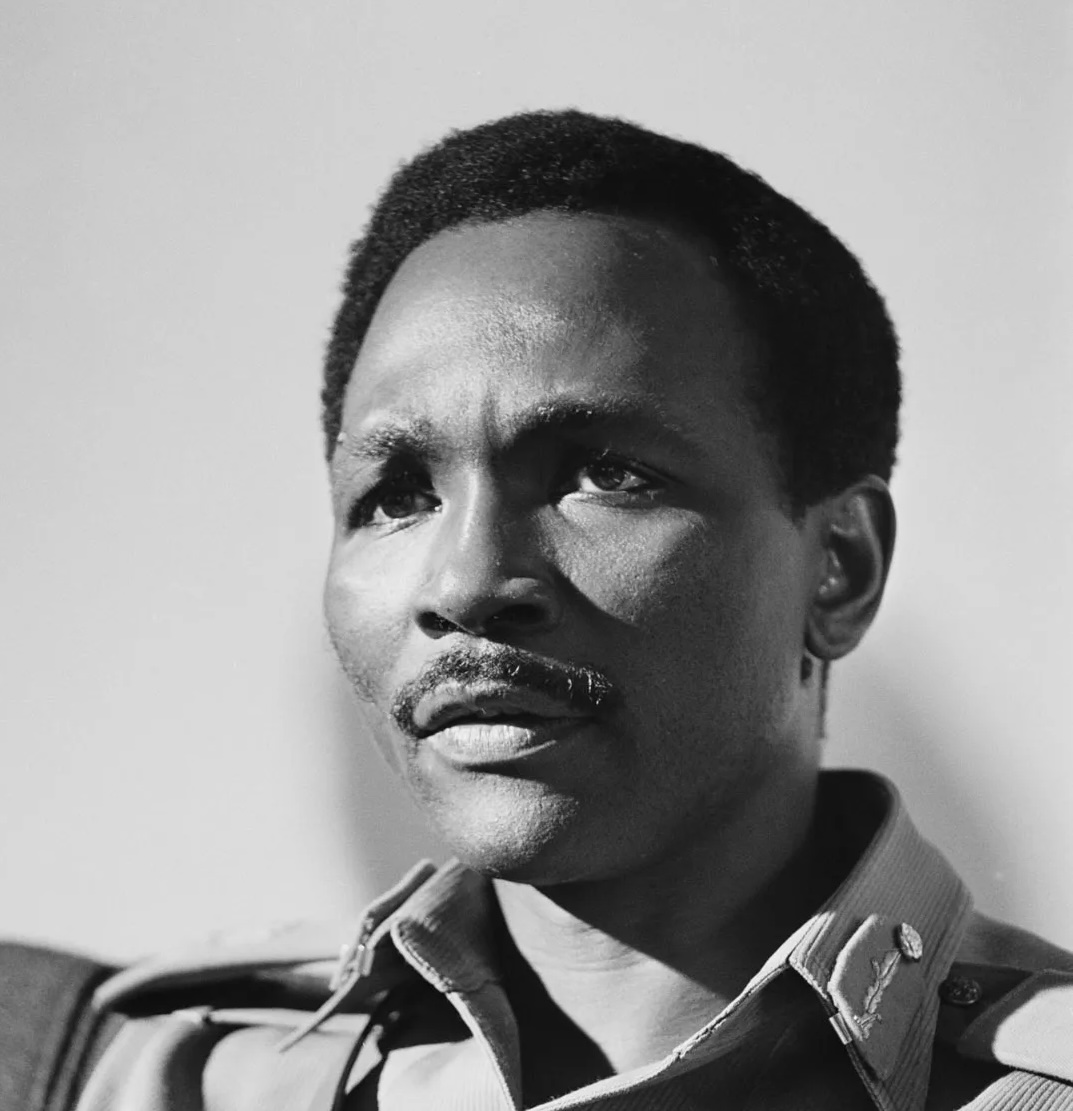
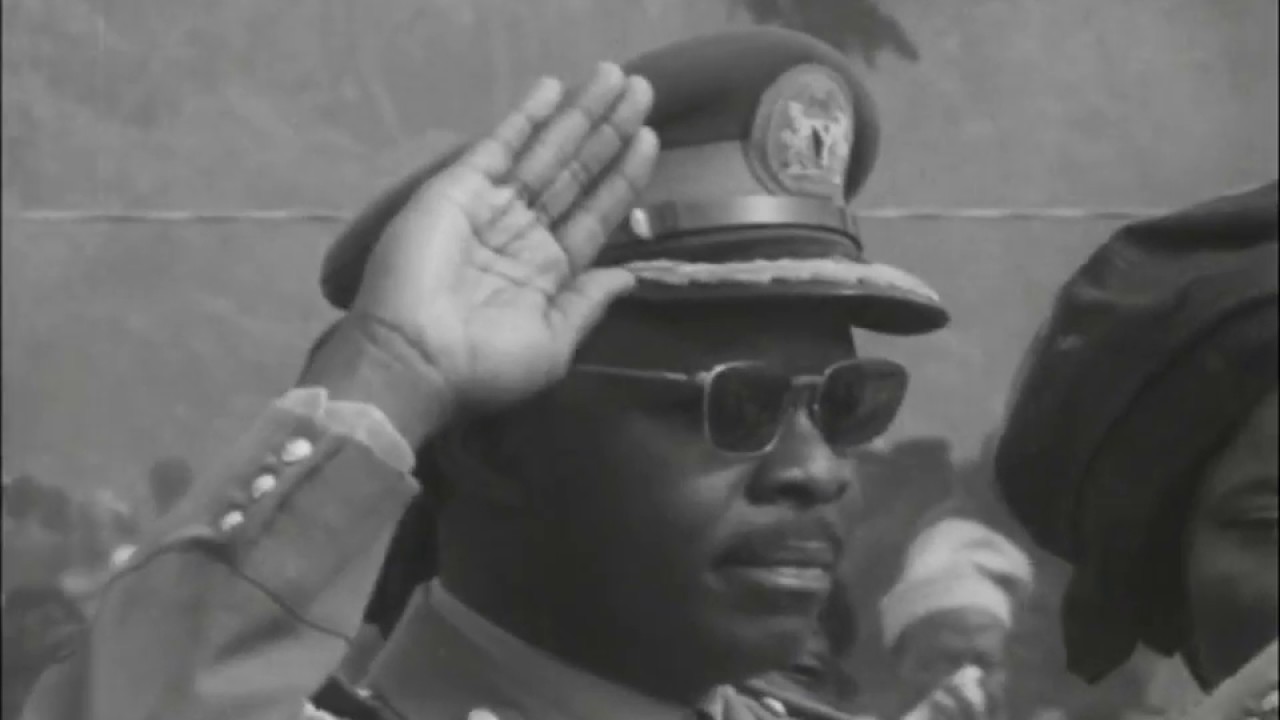
Philip Effiong – The Man Who Surrendered Biafra
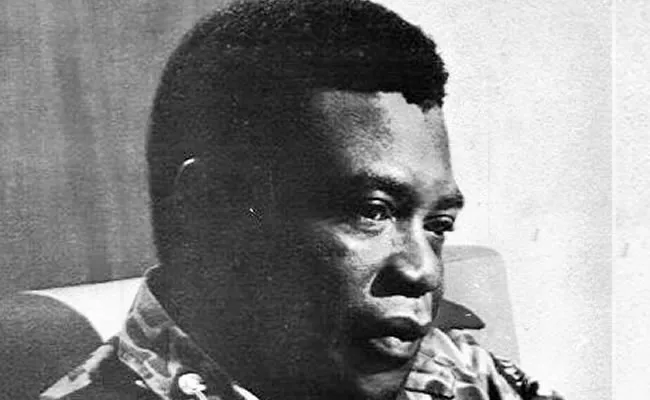

(Part of the Nigeria234.com Civil War Series (1966–1970))
📍 Quick Facts
- Full Name: Philip Efiong (often spelled Effiong)
- Born: November 18, 1925 – Akwa Ibom State, Nigeria 🇳🇬
- Died: November 6, 2003 – Ibadan, Oyo State, Nigeria
- Profession: Soldier, Engineer
- Known For: Acting Head of State of Biafra (January 1970) who formally surrendered to Nigeria, ending the Civil War.
👶 Early Life & Education
- Born in Ikot Ekpene, present-day Akwa Ibom State.
- Joined the Nigerian Armed Forces before independence.
- Trained as a mechanical engineer in the UK and became one of the first Nigerians to hold high-ranking technical and command positions in the army.
🎖️ Military Career Before the War
- Served with distinction in the Nigerian Army Corps of Engineers.
- Known as a professional soldier, not deeply involved in ethnic or political disputes.
- By 1966, rose to Brigadier, making him one of the senior-most officers in the Eastern Region.
⚔️ Role in the Nigerian Civil War
- When Colonel Ojukwu declared Biafra in 1967, Effiong became his Chief of Staff, Supreme Headquarters (effectively second-in-command).
- Oversaw much of the Biafran military structure and strategy.
- Unlike Ojukwu, Effiong was seen as a more reserved, pragmatic, and non-charismatic figure, but respected for his professionalism.
🕊️ Surrender of Biafra
- In January 1970, as Biafra collapsed, Ojukwu fled into exile in Côte d’Ivoire.
- Effiong assumed leadership as Acting Head of State of Biafra.
- On January 13, 1970, he led Biafran delegates to Lagos and formally surrendered to General Yakubu Gowon, marking the end of the 30-month war.
His words at surrender:
“I am convinced now, beyond all doubt, that a stop must be put to the bloodshed. I urge General Gowon to do his utmost to rehabilitate those who have suffered so much in the course of the war.”
🙏 Later Life
- After surrender, Effiong and other Biafran leaders were detained by the Nigerian government, but later released.
- Returned quietly to civilian life, far from the limelight that Ojukwu continued to command.
- Spent his later years advocating peace, reconciliation, and historical truth.
- Passed away in 2003 at the age of 77.
🏆 Legacy
- Remembered as the man who ended the bloodshed by laying down arms.
- Seen by many as a pragmatist who chose peace over pride.
- His act of surrender paved the way for Gowon’s policy of “No victor, no vanquished.”
- In Akwa Ibom and the Niger Delta, he is remembered as a hero of peace who saved millions of lives.
💬 Famous Quote
“I had to face the reality that continuation of the war would mean the complete extermination of my people.”
🌟 Conclusion
Philip Effiong may not have been the fiery orator that Ojukwu was, but his courage lay in choosing peace when all seemed lost. By surrendering Biafra, he prevented further devastation and became a symbol of reconciliation in Nigeria’s history.










Related Posts


Stay Informed With the Latest & Most Important News
Previous Post
Next Post
Advertisement

Donations







Loading Next Post...


