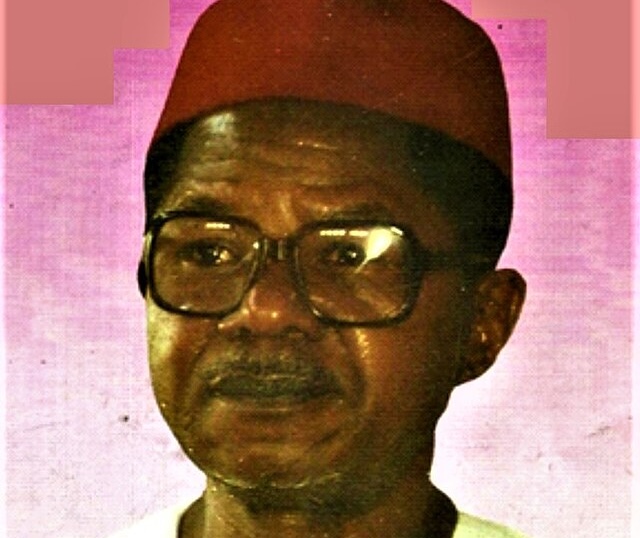
📍 Quick Facts
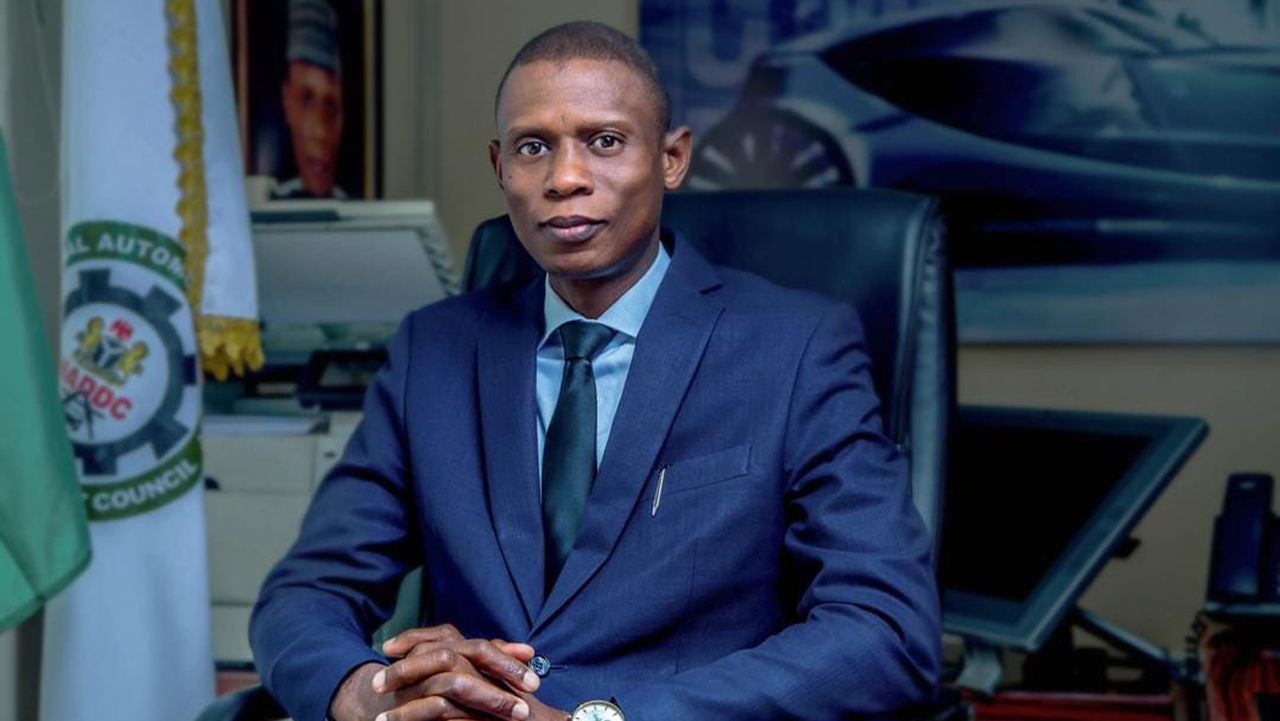
- Full Name: Olufemi Bamiro
- Born: 1947, Nigeria
- Profession: Mechanical Engineer, Academic, Administrator
- Known For: Vice-Chancellor of the University of Ibadan (2005–2010), promotion of science and education policy.
🌱 Early Life & Education
- Born in 1947 in Nigeria.
- Studied Mechanical Engineering at Nottingham University, UK.
- Obtained a Ph.D. in Mechanical Engineering from the University of Cambridge, UK.
- Returned to Nigeria to contribute to education and research.
🎓 Academic Career
- Joined the University of Ibadan (UI) as a lecturer in the Faculty of Technology.
- Rose through the ranks to become a Professor of Mechanical Engineering.
- Known for his expertise in thermo-fluid mechanics and engineering systems.
- Supervised many postgraduate students who later became academics and professionals in Nigeria and abroad.
🏛️ Vice-Chancellorship at UI
- Served as the 9th Vice-Chancellor of the University of Ibadan (2005–2010).
- Focused on:
- Improving research output and publications.
- Expanding ICT infrastructure on campus.
- Strengthening international collaborations.
- Promoting entrepreneurship and innovation among students.
- His leadership helped consolidate UI’s reputation as Nigeria’s premier university.
📘 Contributions to Education Policy
- Actively involved in Nigeria’s higher education reforms.
- Advocated for improved funding for universities.
- Supported partnerships between universities, government, and the private sector.
- Contributed to policy documents on science, technology, and innovation for national development.
🏆 Recognition & Legacy
- Widely respected as a mentor of academics and a visionary university administrator.
- His tenure at UI is remembered for balancing tradition with innovation.
- Continues to be consulted on issues relating to education policy and science advancement in Nigeria.
💬 Famous Thought
“Universities must not only be centers of learning but also engines of innovation and national transformation.”
✅ Conclusion
Professor Olufemi Bamiro stands as a symbol of intellectual excellence and visionary leadership in Nigerian academia. His contributions as a scholar and Vice-Chancellor continue to influence education, research, and policy in Nigeria today.