Now Reading: Profiles of Unsung Heroes – Nurses, Traders, and Civilians Who Carried the Burden of War
-
01
Profiles of Unsung Heroes – Nurses, Traders, and Civilians Who Carried the Burden of War
Profiles of Unsung Heroes – Nurses, Traders, and Civilians Who Carried the Burden of War

(Part of the Nigeria234.com Civil War Series (1966–1970))
📝 Introduction
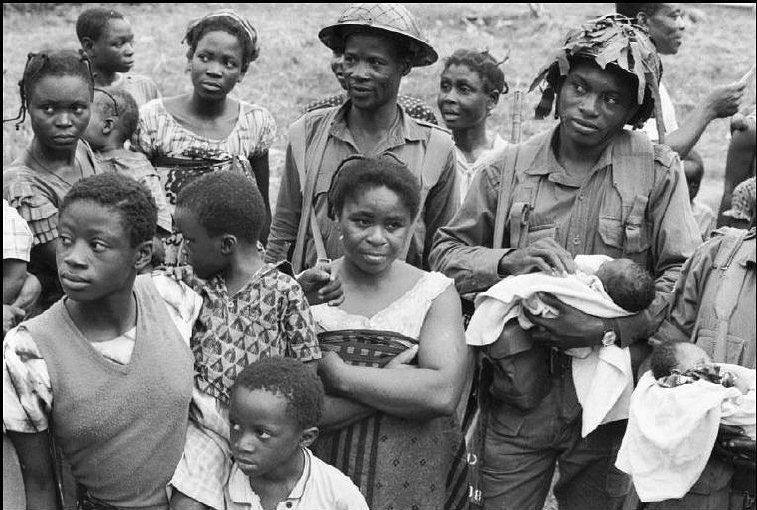
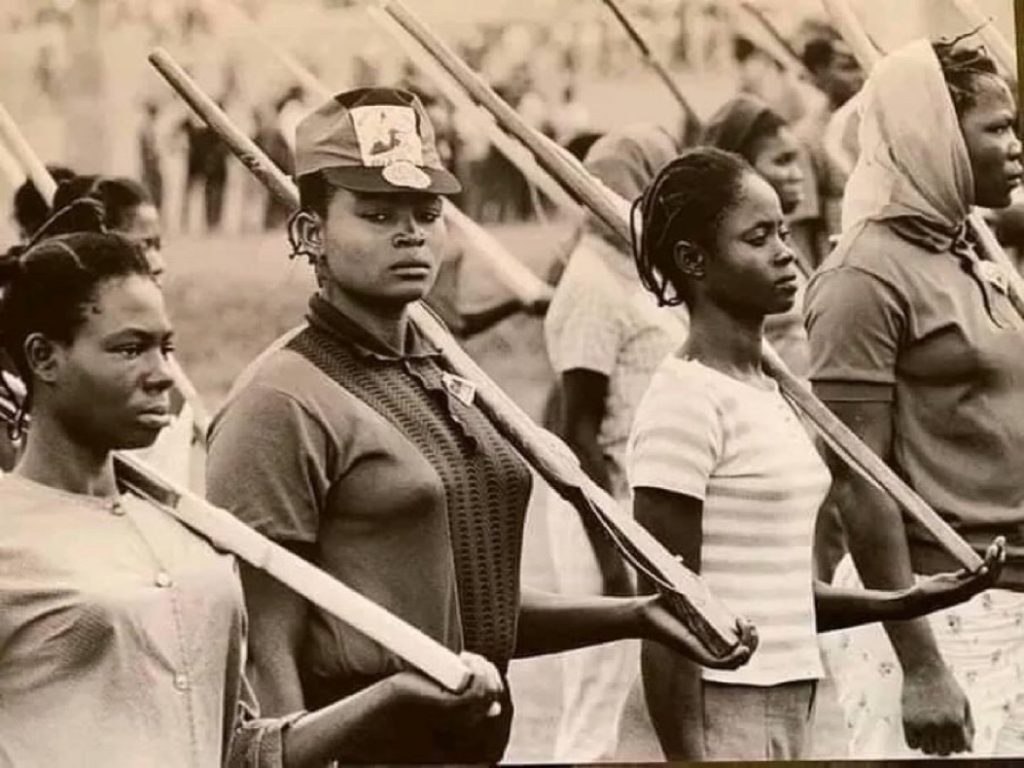
Wars are often remembered through the names of generals and politicians. But in the Nigerian Civil War (1967–1970), it was the ordinary people — nurses, traders, farmers, mothers, and children — who bore the heaviest burdens and quietly became heroes. Their courage and sacrifice kept communities alive when armies and governments failed them.
🏥 Nurses and Caregivers – Healing Amid Scarcity
- Hospitals and clinics were overwhelmed with wounded soldiers and starving civilians.
- Nurses worked with little to no medicine — often using herbs, improvising with cloth for bandages, and reusing scarce supplies.
- Many volunteered with church missions that operated makeshift hospitals in Biafra.
- Their tireless care saved countless lives, even while they themselves were hungry.
🍲 Market Women and Traders – Feeding the Nation
- Known as the “Afia Attack” women, traders risked their lives smuggling food across Federal lines.
- They carried garri, palm oil, salt, and dried fish through forests and rivers, evading soldiers.
- Without them, famine in Biafra would have been far worse.
- In Federal Nigeria too, market women kept local economies alive despite shortages and inflation.
👨🌾 Farmers and Villagers – Guardians of Survival
- Rural farmers produced food under bombardment, often hiding crops to prevent soldiers from seizing them.
- Communities shared resources to ensure children and widows did not starve.
- In both Biafra and Federal-controlled areas, farmers symbolized resilience and continuity.
✝️ Faith Leaders and Teachers – Keeping Hope Alive
- Priests, pastors, imams, and teachers became pillars of morale.
- They organized prayers, buried the dead, and comforted families in refugee camps.
- Teachers kept lessons alive under trees and in shelters, ensuring children did not lose all hope for education.
👩🏾🦱 Mothers – The Silent Warriors
- Mothers carried children on endless treks between villages, often starving themselves to feed their little ones.
- They buried sons lost to bombs and husbands lost to war, yet kept families together.
- Their strength became the heartbeat of survival in both Biafra and Nigeria.
🕊️ Why They Matter
- These unsung heroes had no titles, yet they embodied sacrifice and resilience.
- Their actions made survival possible, keeping communities alive until peace returned.
- Remembering them ensures the Civil War story is not only about generals and politicians, but also about the ordinary Nigerians who endured the impossible.
💬 Reflection
“Not all heroes wear uniforms. In the Nigerian Civil War, they wore aprons, headscarves, and the scars of sacrifice.”
🌟 Conclusion
The Nigerian Civil War was not only fought on battlefields — it was endured in markets, farms, hospitals, and homes. The unsung heroes — nurses, traders, mothers, teachers, and farmers — may not be in history books, but they are the ones who carried the nation through its darkest years.










Related Posts
Stay Informed With the Latest & Most Important News
Previous Post
Next Post

Advertisement