
Now Reading: Step-by-Step Guide to Opening a Domiciliary Account in Nigeria
1
-
01
Step-by-Step Guide to Opening a Domiciliary Account in Nigeria
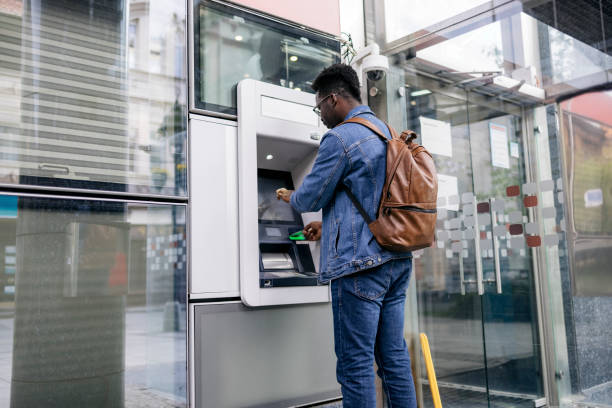

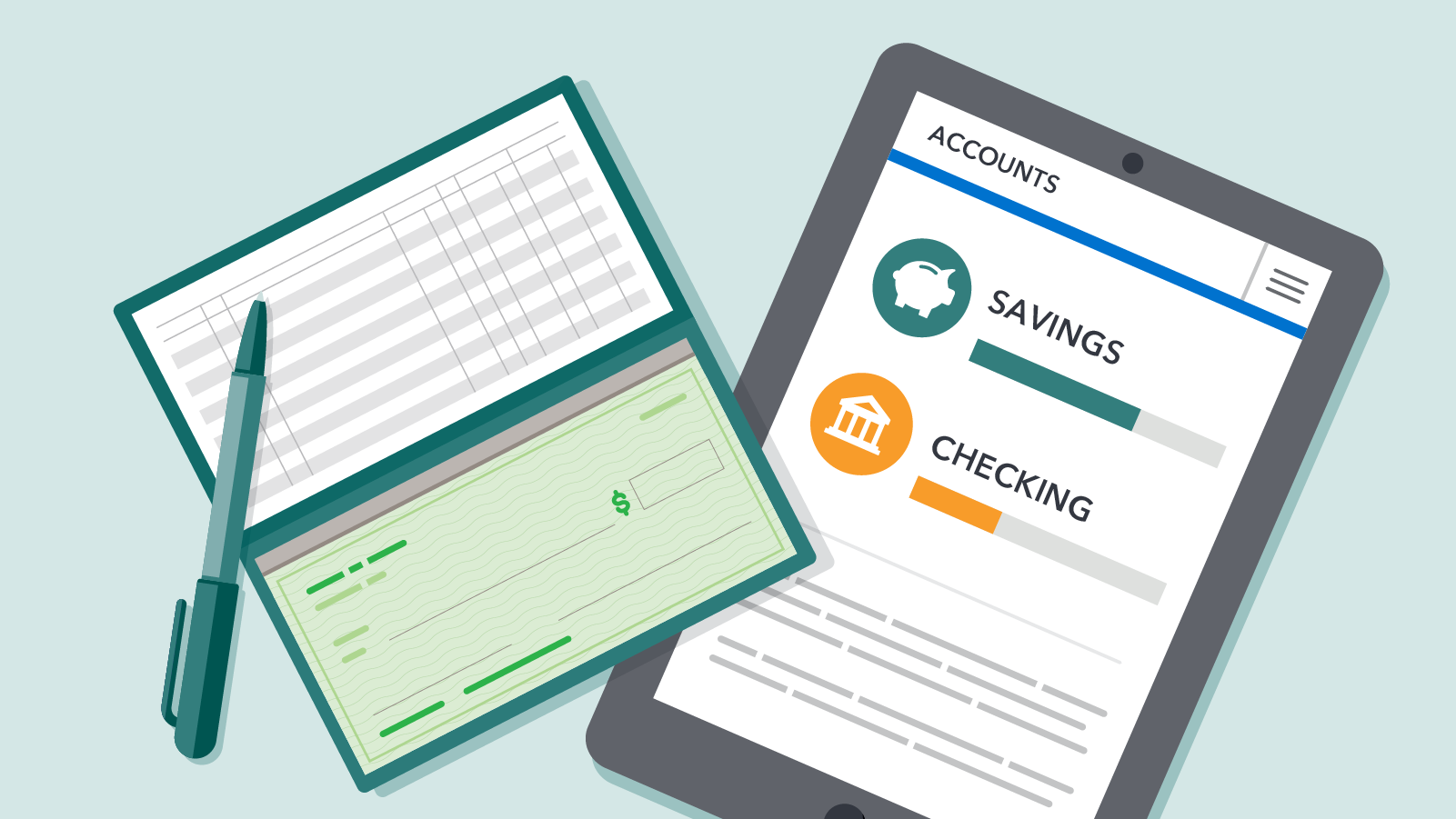
A domiciliary account (Dom account) allows you to receive, hold, and withdraw money in foreign currencies like US Dollars, British Pounds, or Euros. It’s essential for international business, school fees payments, foreign remittances, and freelancing.
Here’s a clear step-by-step guide to opening one in Nigeria.
📌 Step 1: Choose a Bank
Most Nigerian commercial banks offer domiciliary accounts, including:
- GTBank
- Access Bank
- Zenith Bank
- First Bank
- UBA
- Fidelity Bank
✅ Compare charges, minimum opening balance, and ease of international transfers before choosing.
📌 Step 2: Decide the Type of Domiciliary Account
- Savings Dom Account – designed for basic foreign currency deposits and withdrawals.
- Current Dom Account – often used by businesses, may require references and higher opening balances.
📌 Step 3: Gather the Required Documents
Banks usually require:
- Valid ID (National ID/NIN slip, International Passport, Driver’s License, or Voter’s Card)
- Two passport photographs
- Utility bill (not older than 3 months, for proof of address)
- Bank Verification Number (BVN)
- Referees (for current domiciliary accounts — two existing current account holders in Nigeria)
📌 Step 4: Make the Minimum Opening Deposit
- Some banks require an initial deposit (varies by bank, often $50–$100 or equivalent in pounds/euros).
- Other banks may allow zero-balance opening, but you must fund it soon.
📌 Step 5: Complete the Application Form
- Visit the bank branch or download the form online.
- Fill in your details carefully (personal info, currency type, account type).
- Submit along with your documents.
📌 Step 6: Wait for Processing and Approval
- Processing usually takes a few days to 2 weeks, depending on the bank.
- You’ll be contacted once the account is ready.
📌 Step 7: Fund and Start Using Your Account
- You can fund a domiciliary account through:
- Cash deposits in foreign currency at the bank
- Wire transfers (SWIFT) from abroad
- Inflows from international payment platforms (Payoneer, Upwork, etc.)
- Withdrawals are made in foreign currency cash or transferred internationally.
📌 Step 8: Get Your ATM/Debit Card (Optional)
- Some banks provide a domiciliary debit card that lets you make international payments online or withdraw from ATMs abroad.
✅ Final Tips
- Use the account for legitimate transactions only — suspicious transfers can lead to restrictions.
- Keep all transaction receipts — they may be required for future verification.
- Domiciliary accounts are ideal for freelancers, import/export businesses, students abroad, and travelers.
- Compare bank policies: some offer better exchange rates and lower transfer fees than others.










Related Posts



Stay Informed With the Latest & Most Important News
Previous Post
Next Post

Advertisement

Donations








Loading Next Post...


