Now Reading: The Benin Bronzes and the Call for Repatriation
-
01
The Benin Bronzes and the Call for Repatriation
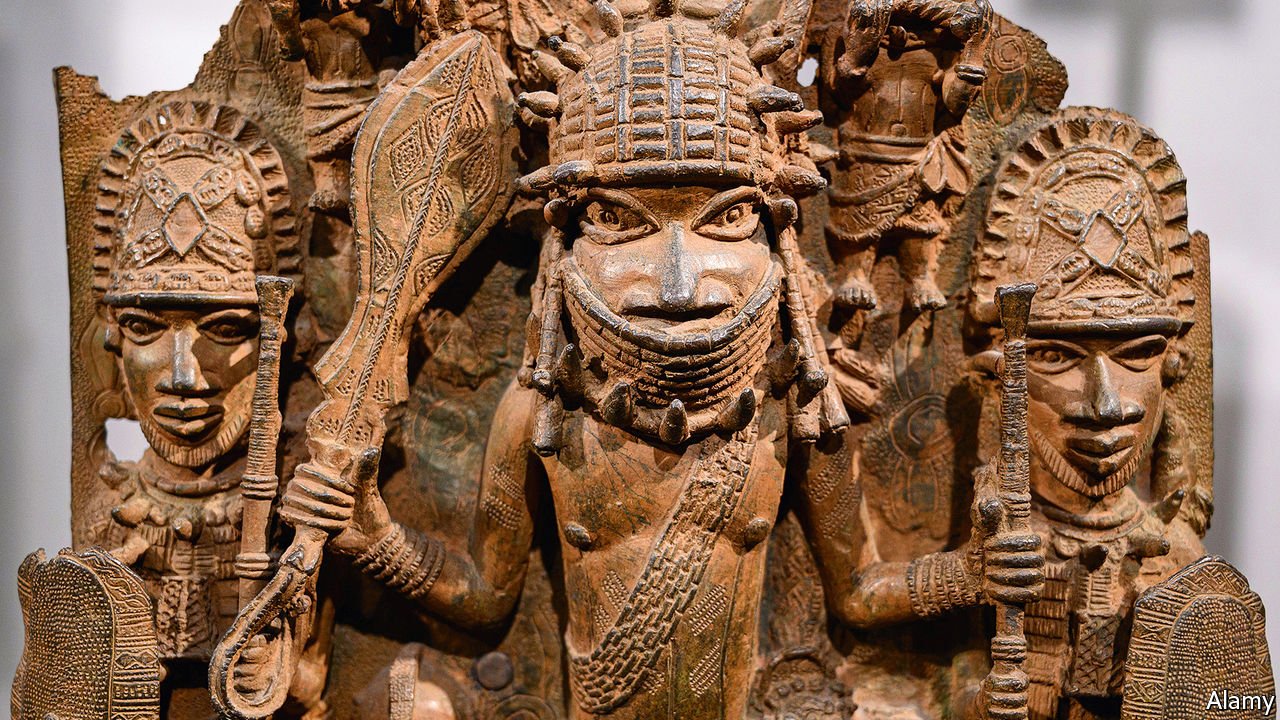


Few cultural treasures have stirred as much global debate as the Benin Bronzes—a collection of thousands of intricately crafted brass, ivory, and wooden artifacts taken from the ancient Kingdom of Benin (in present-day Edo State, Nigeria). Looted during the 1897 British invasion of Benin City, these masterpieces of African artistry are now scattered across museums and private collections in Europe and North America. More than a century later, Nigeria is demanding their return, sparking a powerful conversation about colonial plunder, cultural identity, and justice.
🏺 The Legacy of the Benin Bronzes
- The Benin Bronzes were created by skilled guilds of the Benin Kingdom, which flourished from the 13th to the 19th century.
- They include royal plaques, busts, ceremonial masks, and religious objects, many of which adorned the Oba’s palace.
- Beyond their artistic beauty, the Bronzes embody Benin’s political authority, spiritual traditions, and historical memory.
For the Edo people, they are not mere artifacts but sacred symbols of identity and continuity.
⚔️ The 1897 Invasion and Looting
In February 1897, British forces launched a punitive expedition against the Kingdom of Benin. The Oba’s palace was burned and thousands of artworks were looted.
- These items were shipped to Britain and later dispersed through auctions, ending up in the British Museum, Berlin’s Ethnological Museum, and the Metropolitan Museum of Art in New York, among others.
- Today, more than 3,000 pieces are known to exist outside Nigeria.
🌍 The Global Repatriation Debate
For decades, Nigeria has demanded the return of the Benin Bronzes. The debate touches on complex issues:
- Cultural Justice: Can stolen heritage ever truly belong to anyone other than its creators?
- Colonial Accountability: Should former colonial powers acknowledge and reverse historical wrongs?
- Museums vs. Origin Communities: While Western museums argue that artifacts are “universal heritage,” Nigerians insist they are sacred treasures that must return home.
✅ Recent Developments
The tide is shifting, with some European institutions beginning to return artifacts:
- In 2022, Germany signed agreements to return hundreds of pieces to Nigeria.
- Universities and smaller museums in the UK and US have also repatriated items.
- The Edo Museum of West African Art (EMOWAA) is being developed in Benin City as a home for returned Bronzes, combining preservation with public access.
These steps mark progress, though many of the most prized artifacts remain in the British Museum.
💡 Why Repatriation Matters
- Cultural Identity: The Bronzes are part of Nigeria’s heritage and must be preserved for future generations.
- Education and Tourism: Their return could boost Nigeria’s cultural sector and attract global visitors.
- Healing Historical Wounds: Restitution is a step toward addressing the legacies of colonial exploitation.
- Empowering Local Communities: Returning sacred artifacts restores dignity and strengthens local traditions.
🚀 The Road Ahead
While repatriation is gathering momentum, challenges remain:
- Negotiations with institutions reluctant to part with their collections.
- Ensuring Nigeria has the facilities, security, and conservation expertise to house the artifacts.
- Building awareness among Nigerians about the significance of these treasures.
✅ Conclusion
The Benin Bronzes are more than relics—they are living symbols of Nigeria’s history, artistry, and resilience. Their repatriation is not just about correcting a colonial injustice, but about restoring pride and reconnecting a people with their heritage.
As more nations acknowledge the need for restitution, the return of the Bronzes could herald a new era in which Africa reclaims ownership of its cultural narrative.










Related Posts


Stay Informed With the Latest & Most Important News
Previous Post
Next Post

Advertisement