Now Reading: The City of Maiduguri: A Comprehensive Analysis of a Resilient Urban Center
-
01
The City of Maiduguri: A Comprehensive Analysis of a Resilient Urban Center

The City of Maiduguri: A Comprehensive Analysis of a Resilient Urban Center


1. Introduction: A City of Paradoxes
The city of Maiduguri, the capital of Borno State, Nigeria, is a case study in profound resilience and complex challenges. Historically recognized as a vibrant hub of commerce and Islamic scholarship in West Africa, the city has, in recent decades, been transformed into a “garrison town” at the epicenter of a protracted insurgency. This report provides a comprehensive analysis of Maiduguri, synthesizing its deep historical roots with the interconnected factors that define its contemporary landscape. The analysis extends beyond a simple recitation of facts to explore the dynamic interplay between the Boko Haram conflict, rapid demographic shifts, climate-induced environmental shocks, and significant governance gaps. The objective is to provide a detailed, multi-faceted understanding of Maiduguri’s urban fabric and its status as a critical regional center, characterized by both deep-seated vulnerabilities and an indomitable spirit of recovery.
2. Foundational Context: Geography, History, and Demographics
2.1 Geographic and Environmental Profile
Maiduguri is situated in north-eastern Nigeria, within a semi-arid region characterized by limited rainfall, averaging approximately 600 mm per annum, and high evapotranspiration rates of over 2,000 mm per annum. The city is located along the seasonal Ngadda River, which dissipates into the Firki swamps in the areas around Lake Chad. This location places it at the nexus of a complex environmental system.
The Lake Chad Basin has been subject to conflicting narratives regarding its health. Historically, the lake was a vital source of livelihood for millions, supporting agriculture, livestock, and fishing. However, widespread reports from the 1970s and 1980s noted a dramatic shrinking, with its area reducing from 25,000 km² to 2,000 km², largely due to a combination of drought and increased water usage for irrigation. More recent studies, however, present a different picture, suggesting that the lake has been stable or has even seen its volume increase since its low point in the 1980s, reaching 24,500 km² in 2024. Despite these recent gains, the region remains vulnerable to climate-induced hazards such as droughts, desertification, and floods. The degradation of the ecosystem, including soil infertility and reduced fishing yields, has compounded economic hardships and fueled competition over dwindling resources.
The city’s water supply is a critical challenge. The public system, which relies on the Alau Dam, provides water to only an estimated 30-40% of the population. This deficit has led to a proliferation of over 2,000 private boreholes drilled into the upper aquifer, which now serve as the dominant source of water for most residents. The quality of this water is a concern, with reports of poor taste and connections to illness. This reliance on private sources has been amplified by the significant influx of people displaced by the insurgency.
The inadequacy of Maiduguri’s drainage infrastructure and the clogging of existing channels make it highly vulnerable to annual flooding during the wet season. This vulnerability was tragically demonstrated in September 2024, when the collapse of the Alau Dam, combined with heavy rainfall, triggered the worst flood the city had seen in 30 years. This disaster displaced over 400,000 people and affected more than 70% of the city, highlighting the devastating consequences of under-resourced and neglected urban planning.
2.2 Historical Evolution and Political Identity
Maiduguri’s modern history began in 1907 when the British Empire established it as a military outpost. The city is actually a composite of two older settlements: Yerwa, which was founded as the capital of the Bornu Kingdom by Abubakar Garbai of Borno, and Old Maiduguri, which was selected by the British as their military headquarters in 1908. The transfer of the Kanuri people’s capital from Kukawa to Yerwa established the city as the center of the Borno Emirate, the surviving traditional ruling structure of the historic Kanem-Bornu Empire.
For centuries, the Kanuri people have been the dominant ethnic group in the region, with their traditions shaped by the historic empire and a predominantly Sunni Muslim faith. The Shehu of Bornu, the ceremonial head of the Borno Emirate, continues to maintain a significant, though non-governmental, role in communal affairs, security, and dispute resolution. His authority, rooted in a nearly 1,000-year history of the Kanem-Bornu Empire, complements the formal government structure.
The city’s status as the chief commercial center of north-eastern Nigeria was solidified by the arrival of the railway in 1964, which connected it to Port Harcourt. Historically, Maiduguri was renowned as a “hub of Islamic scholarship” that taught tolerance and hospitality. This identity was reinforced by a thriving economy based on trade, which drew people from across Nigeria and neighboring countries, making it a cosmopolitan center where various languages and cultural groups could be found.
2.3 Population Dynamics and Urbanization
Maiduguri has experienced a trajectory of steady population growth, from an estimated 50,000 in 1950 to a projected metropolitan population of 899,000 in 2025. However, a closer look at recent data reveals a more complex reality. While a 2022 projection places the total population at 791,200 , other sources offer significantly different figures, including a 2022 estimate of two million people in the metropolitan area and a 2021 estimate of 800,000. These conflicting figures are not simply a result of inconsistent data collection; they fundamentally reflect the profound impact of conflict-induced displacement on the city’s demography.
The discrepancy in population figures is best understood by acknowledging the massive influx of internally displaced persons (IDPs) into the city. At the peak of the crisis, Maiduguri housed over 800,000 IDPs, with more than 88% residing outside of formal camps in host communities. This inflow, which increased the city’s population by over 130% between 2014 and 2020, has transformed its demographic profile from a product of organic urban growth to a direct consequence of a humanitarian crisis.
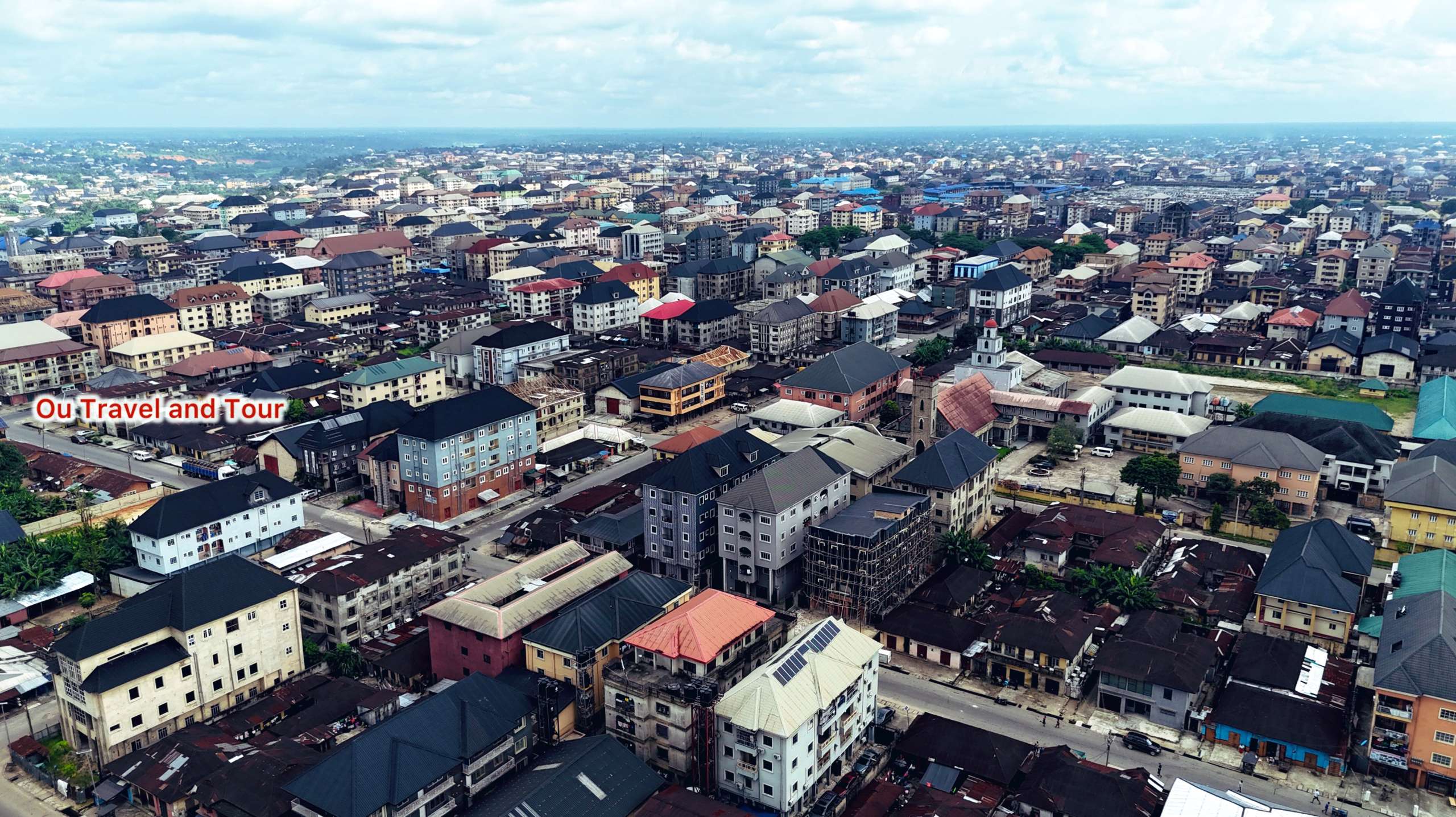
The rapid and unplanned nature of this population growth has put immense pressure on the city’s infrastructure and services. It has led to horizontal urban sprawl and increased density, overwhelming a public service network that was already operating with weak capacity. The housing market has been particularly affected, with rising rents forcing poor households and a large portion of the IDP population to occupy informal settlements in flood-prone areas. The tragic September 2024 flood disaster, which disproportionately affected these vulnerable communities, represents a clear manifestation of this urbanization trend where environmental vulnerability and population density converge. The ambiguity in official population figures further complicates urban planning and humanitarian response efforts, as it becomes challenging for policymakers and NGOs to fully grasp the scale of the need.
| Year | Population |
| 1950 | 50,000 |
| 1960 | 88,000 |
| 1970 | 166,000 |
| 1980 | 287,000 |
| 1990 | 499,000 |
| 2000 | 580,000 |
| 2010 | 674,000 |
| 2020 | 786,000 |
| 2025 | 899,000 |
Export to Sheets
Source: MacroTrends
3. Governance and Security: The Nexus of Traditional Authority and Modern Challenges
3.1 Administrative Framework and Political Leadership
Maiduguri functions as the capital of Borno State, which suffers from significant “capacity and legitimacy gaps” in its governance. While the state government, led by the popular Governor Babagana Umara Zulum, holds executive and security authority, local governments (LGAs) are considered weak and under-resourced. This institutional fragility has been exploited by Boko Haram, which has sought to fill the vacuum in governance and service delivery.
3.2 The Insurgency’s Enduring Legacy
Maiduguri has been at the center of the Boko Haram insurgency since its start in 2009. The conflict has profoundly reshaped the city’s physical and social landscape, transforming it from a peaceful commercial hub into a heavily fortified “garrison town”. To prevent incursions, the military has established a perimeter of security trenches and 24-hour roadblocks. The insurgency has caused widespread destruction of public infrastructure, with over 5,000 classrooms and 800 municipal buildings destroyed in Borno State. Although intensified security efforts have pushed the conflict to the city’s periphery, the threat remains persistent. As of April 2025, there was a visible increase in Boko Haram attacks in Borno, and the Shehu of Borno noted that the group had moved its headquarters to other LGAs.
3.3 Community and State Security Initiatives
The failure of formal institutions to address the crisis has fostered a hybridization of governance and security. In response to insecurity, a youth vigilante movement known as the “Civilian JTF” was formed to supplement the government’s anti-terrorism strategy. This group works directly with state security agencies and is a crucial component of the city’s security apparatus. The presence of the Civilian JTF and the transfer of military command to Maiduguri have contributed to a moderate level of security.
Community cohesion and a shared sense of responsibility have been identified as the most significant factors contributing to Maiduguri residents’ remarkable resilience. The ability of these traditional and community-based groups to provide critical security and social cohesion has filled a major void left by under-resourced formal institutions. This dynamic highlights a crucial lesson: Maiduguri’s recovery is driven not only by official policies but also by the grassroots adaptations of its people.
4. The Socioeconomic Landscape: A Livelihood in Flux
4.1 Economic Drivers and Trade Hub Status
As the principal trading hub for north-eastern Nigeria, Maiduguri’s economy is largely based on services and trade, with a small manufacturing base. The city is a major center for livestock, cattle hides, leather products, dried fish from Lake Chad, and gum arabic. The Monday market at Yerwa remains the largest in the state and a key part of the local economy. Signs of economic recovery are visible, with reports of flourishing businesses and the return of nightlife. The city’s GDP (PPP) was estimated at $6 billion in 2023, with a per capita GDP of $7,100. However, this overall picture masks significant underlying challenges.
4.2 Livelihood and Employment Challenges
The Boko Haram insurgency has led to economic stagnation by impeding transport, trade, and the flow of people and goods. This has exacerbated pre-existing issues of high youth unemployment and poverty, with the unemployment rate in Borno State at 27.7%, higher than the national average. A defining feature of Maiduguri’s economy is a stark two-tiered system where a resilient but predominantly informal local market coexists with severe economic inequities.
The influx of IDPs has introduced new dynamics into the labor market, leading to significant wage and livelihood disparities. A 2021 report shows that while the average monthly income for residents was N10,004, members of host communities earned significantly more (N13,991) than IDPs (N7,376) and returnees (N4,425). This inequity amplifies pre-existing problems and could become a source of future social tension. Women, particularly the thousands of widows left by the conflict, have been disproportionately affected. Many, lacking formal education, have been reduced to begging or engaging in small-scale street commerce to provide for their families, with some international support helping them establish small businesses.
| Population Group | Average Monthly Income (NGN) |
| Host Community (HC) | N13,991 |
| Internally Displaced Persons (IDPs) | N7,376 |
| Returnees | N4,425 |
Export to Sheets
Source: Premiere Urgence International (2021) as cited in World Bank
4.3 The Agricultural Sector: Traditional Practices to Modernization
The rural Borno State economy relies heavily on an agricultural sector centered on crops like millet, maize, and sorghum. However, this sector faces immense challenges. It is largely dominated by inefficient and labor-intensive traditional farming methods, and farmers must contend with adverse climate factors such as erratic weather, prolonged droughts, and soil degradation. Compounding these issues are economic barriers, as small-scale farmers often lack the financial resources and access to credit to invest in modern technologies.
The vulnerability of Maiduguri’s agricultural economy is a critical link in the broader conflict-poverty-displacement chain. Climate shocks, combined with outdated farming practices and a lack of investment, drive a cycle of resource scarcity and food insecurity. The loss of livelihoods for farmers, pastoralists, and fishermen has fueled violent clashes and forced displacement, creating a humanitarian crisis that directly impacts Maiduguri by increasing its population burden. Efforts to modernize the sector with precision agriculture technologies are underway, but they face significant social and economic barriers.
5. Infrastructure and Service Delivery: Overwhelmed by Population Growth
5.1 The State of Critical Services
Maiduguri’s public infrastructure has been overwhelmed by rapid population growth and the lasting impact of the insurgency. The inadequacy of public service provision has forced residents to rely on private alternatives, often at high costs and with subpar quality. Public water, for example, is insufficient, prompting the proliferation of private boreholes. This places a disproportionate burden on the most vulnerable populations, such as IDPs in camps who have reported issues with water quality and quantity. Similarly, the city has experienced prolonged power outages, with one community suffering an eight-month blackout until government intervention provided a new transformer. The recent flood disaster further highlighted these vulnerabilities, as it contaminated water sources and sewage systems, leading to a state of “urban squalor” and poor health outcomes.
5.2 Transportation and Mobility
Rapid urbanization has intensified traffic challenges, particularly at key intersections like Elkanemi Roundabout, which suffers from chronic congestion and poor design. A study revealed that tricycles are the most prevalent mode of transport, accounting for over 55% of traffic flow. Governor Zulum’s administration has launched several strategic projects to address these issues, including a 113-kilometer ring road expansion and the introduction of subsidized electric and gas-powered vehicles.
In a strategic move to stimulate economic recovery and assert government control, the state has also proposed an intra-city railway network, which would be the first in the North. This project is designed to link major markets, schools, and public spaces, with the explicit goal of enhancing the movement of people and goods to boost productivity and foster economic growth. The focus on security for this project reflects a government effort to rebuild and reinforce its presence in the post-conflict environment.
5.3 Healthcare and Education
The insurgency has had a devastating impact on the city’s public service infrastructure. In Borno State, the conflict has destroyed over 250 health centers and left nearly one million children without access to school. While Maiduguri is home to the University of Maiduguri Teaching Hospital (UMTH), a large tertiary institution with a 1,305-bed capacity serving over 30 million people in the North-East geopolitical zone, the healthcare system as a whole has been severely disrupted. A recent study found that a majority of residents could not access health and nutrition services during emergencies, citing the insurgency as the primary obstacle. The 2024 flood disaster further compounded these issues by affecting both the UMTH and the state General Hospital.
The education system has also been hard-hit, with a Human Rights Watch report documenting damage to Yerwa Primary School, the first primary school in north-eastern Nigeria. While the state government is making efforts to rebuild, a lack of educational opportunities and high youth unemployment continue to be major challenges, which Boko Haram has historically exploited to strengthen its grip and perpetuate instability.
6. The Humanitarian Crisis: Resilience and Coping Mechanisms
6.1 Internally Displaced Persons (IDPs)
The Boko Haram insurgency has caused a massive humanitarian crisis, displacing over 2.6 million people in Borno State alone. Maiduguri has borne the largest burden of this displacement, housing a significant majority of these individuals. While there are 32 IDP camps in the state, with 16 located in Maiduguri, most IDPs have settled in host communities. This has led to severe overcrowding in both formal camps and host communities, creating unsanitary living conditions and increasing the risk of disease outbreaks. Organizations such as the IOM and the state government have undertaken multi-agency relocation efforts to decongest camps and ensure the protection and dignity of the displaced.
6.2 The 2024 Flood Disaster: A Case Study in Vulnerability
The September 2024 flood disaster serves as a stark case study of how environmental shocks can compound a pre-existing humanitarian crisis. Caused by heavy rainfall and the collapse of the Alau Dam, the flood affected over one million people and displaced over 400,000, with over 70% of Maiduguri town being submerged. This disaster was not an isolated natural event; it was a consequence of a failing dam, a lack of urban planning, and the concentration of displaced people in flood-prone areas. The flood exacerbated the humanitarian crisis by contaminating water sources, destroying livelihoods, and increasing the risk of deadly epidemics. Humanitarian organizations like INTERSOS were on the ground quickly, providing life-saving aid and emergency food despite the significant difficulties.
| Date | Event | Impact | Source(s) |
| July 2009 | Start of Boko Haram insurgency | Maiduguri becomes the heart of the conflict. | |
| Mid-2010s | Insurgency at its peak | Boko Haram is the world’s deadliest terrorist organization. Maiduguri becomes a “garrison town.” | |
| 2014-2020 | IDP influx | City population increases by over 130%; over 800,000 IDPs housed in Maiduguri. | |
| February 2018 | Teachers Village camp over capacity | Camp designed for 10,000 holds over 30,000 people. | |
| September 2024 | Alau Dam collapse and severe flooding | Worst flood in 30 years; displaces over 400,000 people, affects over one million. |
Source: Various
6.3 Community Resilience and Hope
Despite the immense suffering, Maiduguri’s residents have demonstrated remarkable resilience. The experience of living in a perpetual crisis has fostered an extreme, passionate commitment to faith, which is described as a necessary shield and a source of courage. This faith, combined with a fierce passion for their dreams, has driven residents to forge ahead without looking back.
The resilience of the people is not merely a psychological trait but a necessary survival strategy. This profound strength, however, can also mask underlying needs for psychosocial support and long-term economic stability. While the visible signs of recovery, such as the return of nightlife and the flourishing of local businesses, are a testament to this resilience, they should not be mistaken for a full recovery. Children, in particular, find moments of joy during Eid festivities, demonstrating a capacity to cope with trauma. Young leaders are actively engaged in peace-building initiatives, providing a sense of hope for the region’s revival. The influx of IDPs, while a burden on services, also represents a potential human capital resource that, if effectively managed and integrated, could be a catalyst for future urban and economic growth.
7. Conclusion and Strategic Recommendations
Maiduguri stands as a powerful testament to human resilience in the face of converging crises. Its history as a commercial and cultural hub has been profoundly impacted by the Boko Haram insurgency, which has amplified pre-existing vulnerabilities in governance, infrastructure, and socio-economic systems. The city’s rapid, conflict-driven urbanization has placed an immense strain on public services and exposed a large portion of the population to environmental shocks. Maiduguri’s recovery hinges on a comprehensive strategy that addresses these interconnected challenges rather than treating them in isolation.
Based on the evidence presented, a set of strategic recommendations for sustainable development is proposed:
- Strengthening Governance: Address the fundamental governance gaps by empowering local governments, providing them with the necessary resources and capacity to deliver essential services. This effort should be integrated with traditional leadership structures to build a more inclusive and legitimate administrative framework.
- Investing in Inclusive Economic Recovery: Implement targeted economic development programs to address high youth unemployment and the significant income disparities between host communities, IDPs, and returnees. This includes supporting entrepreneurship, providing access to credit, and offering skills training to harness the human capital potential of the displaced population.
- Building Climate-Resilient Infrastructure: Prioritize the development of robust, climate-resilient infrastructure. This includes investing in a comprehensive drainage system to prevent recurring floods and establishing a sustainable water management plan that moves beyond the proliferation of private boreholes.
- Holistic Humanitarian and Social Support: Move beyond immediate aid to provide long-term, holistic support that includes psychosocial services to address the deep-seated trauma of the conflict. This should be complemented by education and livelihood training programs to facilitate the full reintegration of IDPs into the urban fabric.










Related Posts



Stay Informed With the Latest & Most Important News
Advertisement