Now Reading: Nigeria’s Ethnic Diversity: A Comprehensive Analysis of Historical Legacies, Societal Dynamics, and Pathways to Cohesion
-
01
Nigeria’s Ethnic Diversity: A Comprehensive Analysis of Historical Legacies, Societal Dynamics, and Pathways to Cohesion
Nigeria’s Ethnic Diversity: A Comprehensive Analysis of Historical Legacies, Societal Dynamics, and Pathways to Cohesion

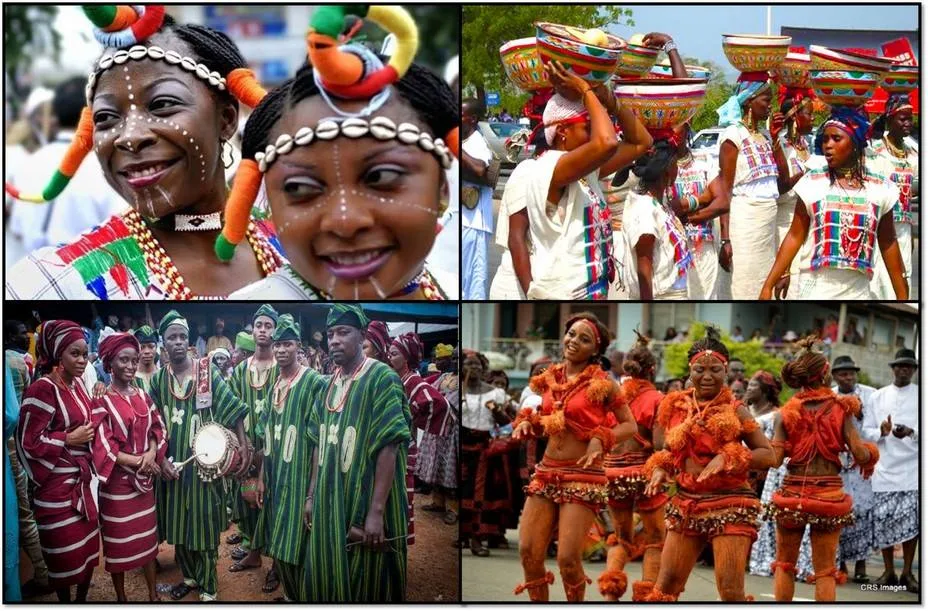
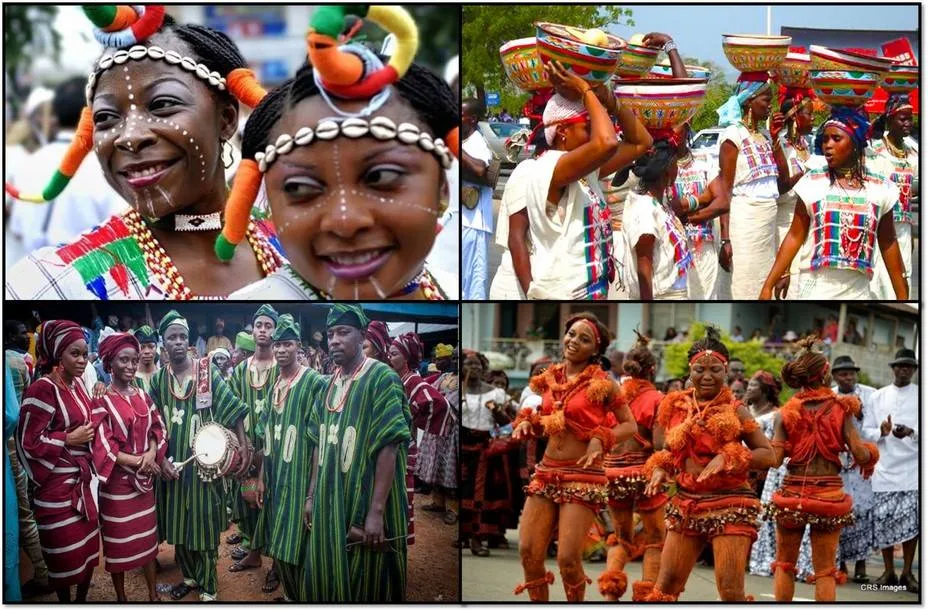
Nigeria’s immense ethnic diversity, comprising over 250 distinct groups, presents a complex political and social landscape. While a source of profound cultural wealth, this diversity has also been a central factor in the nation’s political instability and social fragmentation. This report argues that this reality is not the product of ancient, primordial rivalries, but rather a modern phenomenon, deliberately constructed and politicized by British colonial policies. By examining the historical evolution of inter-group relations, the report traces a narrative from a history of pre-colonial cooperation and localized conflict to a post-amalgamation era defined by ethnic-based competition.
The analysis delves into key government initiatives intended to foster national unity, such as the Federal Character Principle, and exposes the paradoxical outcomes of their implementation. The report concludes that a pathway to genuine national cohesion requires a fundamental shift in policy. Rather than managing and institutionalizing ethnic divisions, future policies must focus on addressing the systemic inequalities that fuel them. A lasting solution lies in cultivating a shared sense of national identity that transcends tribal loyalties and promotes a culture of meritocracy, equitable resource distribution, and inclusive governance.
Part I: Historical Roots and the Colonial Crucible
Chapter 1: Pre-Colonial Nexus: Trade, States, and Localized Identity
Before the formal creation of the single political entity of Nigeria, the geographical area was a mosaic of hundreds of distinct societies, empires, and villages, each with its own political and cultural systems. Understanding this pre-colonial history is essential for grasping the foundations upon which colonial and post-colonial dynamics were built. The political organization of these societies exhibited significant heterogeneity. At one end of the spectrum were highly centralized and hierarchical states, such as the Hausa city-states, the Oyo Empire of the Yoruba, and the Kanem-Bornu Empire. These polities, with their sophisticated administrative structures, were capable of remarkable military strongholds and imperial expansion, incorporating other societies outside their dominant linguistic confines. The Oyo Empire, for instance, expanded to include non-Yoruba groups like the Tapa and Bariba, demonstrating a historical capacity for multi-ethnic state-building.
In stark contrast, many groups, particularly in the south and middle belt, were acephalous societies, lacking centralized political authority beyond the village level. The Igbo and Ibibio peoples of southeastern Nigeria, for example, had no unifying political authority or recorded history of a common origin. This lack of centralized statehood did not, however, mean that these societies were isolated or without mechanisms for cooperation.
Despite the political fragmentation, pre-colonial peoples engaged in extensive and centuries-long relations fostered through inter-ethnic trade, marriage, and cultural exchanges. Major rivers such as the Niger and Benue facilitated long-distance commerce, allowing for economic and social interactions between peoples of different ethnic origins and religious backgrounds. This network of relations was so robust that long-distance traders often took wives from strategically important towns along their routes for commercial and diplomatic purposes, becoming accepted members of their in-laws’ clans. The evidence of shared values and attitudes that existed before British involvement was not broken by colonialism, but rather cast aside in the political maneuvering that followed.
While conflicts did occur in the pre-colonial era, they were characteristically localized and did not threaten the existence of a larger, nation-state. This historical context is critical, as it challenges the simplistic narrative that ethnic rivalries in Nigeria are an ancient and immutable reality. On the contrary, the existence of centuries of inter-ethnic trade, marriage, and cultural adaptation demonstrates that cooperation was a historical norm. The true political rupture, therefore, was not the existence of diverse groups but the act of forcing them into an arbitrary political union. The varying levels of political complexity in these societies would later prove critical, as it directly impacted the success of British “indirect rule,” a policy that thrived in the North but encountered resistance in the more decentralized South. This uneven application of colonial policy created a foundational imbalance that set the stage for much of the post-colonial ethno-political strife, transforming pre-existing differences into deeply entrenched political divisions.
Chapter 2: The Colonial Catalyst: Amalgamation and the Politicization of Identity
The single most pivotal event in Nigeria’s modern history was the 1914 amalgamation of the Northern and Southern Protectorates. This unification was not driven by a shared vision of national identity among the indigenous populations but rather by British administrative and economic priorities. The primary motivation was to create a self-sustaining colony by using the budget surpluses of the Southern Protectorate to offset the deficit of administering the more expansive North. This act of political engineering merged over 250 diverse groups into a single geopolitical entity, a “marriage of strange communal bedfellows,” that inadvertently deepened regional and ethnic divisions.
To maintain control over this vast and diverse territory, the British implemented a “divide and rule” policy, which was operationalized through the concept of “regionalism”. This policy partitioned the country along arbitrary lines, disregarding the complex pre-existing linguistic and ethnic communities. The creation of three principal regions—the North, West, and East—each dominated by one of the three largest ethnic groups (Hausa-Fulani, Yoruba, and Igbo, respectively), became the cornerstone of a system that fostered self-interested political groups and competition for power. This created a lopsided federal structure that gave precedence to the three largest groups over the hundreds of smaller, minority groups.
The colonial era is widely regarded as the birthplace of modern-day ethnicity as a political phenomenon. The British exploited existing ethnic and religious differences to maintain control, turning what had been localized social identities into instruments of political mobilization. This politicization of identity, rather than the diversity itself, became the direct cause of long-standing ethnic mistrust and conflict. The colonial administration’s uneven application of “indirect rule,” which was effective in the centralized Northern emirate systems but faced resistance in the decentralized South, further exacerbated these tensions. This created a foundational imbalance that would persist long after independence. The colonial project also led to urban segregation. The creation of “Sabon Garis” or “strangers’ quarters” in northern cities like Kano, for instance, was a deliberate policy to prevent the interaction of Christian and Westernized immigrants from the South with the Muslim indigenous population. This physical separation contributed to a lack of mutual understanding and made conflicts, such as the Kano riots of 1953, more likely.
The amalgamation of 1914, while intended to streamline administration and consolidate British control, ultimately became a paradoxical act that sowed the seeds of ethnic division and regional disparity. This institutionalization of ethnic identity created a system where political behavior became increasingly influenced by a “fear of domination” among the major groups and feelings of marginalization among minorities. This deeply rooted fear, a direct consequence of colonial policy, became a central driver of post-independence political instability, leading to military coups, civil war, and persistent challenges to national unity. The implication is clear: Nigeria’s contemporary political and social dynamics are not a natural state of affairs but a direct, lasting legacy of colonial policy that weaponized diversity for political gain.
Part II: The Human Mosaic: Profiles of Nigeria’s Ethnic Tapestry
Chapter 3: The Three Pillars: Hausa-Fulani, Yoruba, and Igbo
Nigeria’s ethnic landscape is often defined by the three largest groups, who together represent approximately 70 percent of the population. While this simplification can be misleading by marginalizing the country’s other hundreds of groups, a closer examination of the Hausa-Fulani, Yoruba, and Igbo peoples is crucial for understanding the nation’s political and social dynamics.
The Hausa-Fulani identity is a composite one, originating from the migration of the pastoral Fulani people into the more sedentary Hausaland around the 14th century. Their cultural assimilation was largely cemented by the 19th-century jihad led by Usman dan Fodio, which established the Sokoto Caliphate and an Islamic ruling aristocracy. Today, the Hausa-Fulani are concentrated in Northern Nigeria and are predominantly Muslim, with Islam profoundly influencing their social life, from dress to governance. Hausa is now the most widely spoken indigenous African language and serves as a lingua franca across Northern Nigeria, with significant Arabic loanwords reflecting centuries of trans-Saharan trade.
The Yoruba people are located in the southwestern parts of Nigeria and are known for their history as one of the most urbanized societies in pre-colonial Africa. They have a shared language and culture that has existed for hundreds of years, though they were not politically unified before the colonial period. A distinctive feature of the Yoruba is the unique religious balance within the group, with a roughly equal split between Christians and Muslims, along with a notable presence of adherents to the traditional Ìṣẹ̀ṣe faith. The Yoruba religion, with its central concepts of
Àṣẹ (life force) and a vast pantheon of deities, has been the basis for several New World religions like Santería and Candomblé, highlighting the global influence of Yoruba culture through its diaspora.
The Igbo people, located in the southeastern states, are predominantly Christian and are known for their historically decentralized, egalitarian socio-political structure. This acephalous system, which lacked a single unifying political authority, proved to be a source of both resilience and vulnerability during the colonial era. The traditional Igbo religion, known as Odinani, is panentheistic with a central deity,
Chukwu, and emphasizes the concept of Chi, a personal spiritual guardian that personifies an individual’s fate. Traditionally, the Igbo were active as merchants and middlemen, a role they continued to expand after colonialism, amassing wealth and adopting English trade names. The juxtaposition of the centralized Hausa-Fulani and Yoruba states with the decentralized Igbo society is a critical point of comparison, as these differing political structures directly influenced their interactions with the colonial administration and shaped their respective roles in the post-independence struggle for power.
Chapter 4: The Unseen Tapestry: The Richness of Minority Ethnic Groups
While the discourse on Nigeria’s ethnic diversity often centers on the three major groups, the country is home to over 250 other ethnic communities that contribute significantly to its rich cultural identity. These groups, often referred to as “minorities,” are found all over the country, particularly in the Middle Belt, and their unique traditions and socio-economic contributions form a crucial, albeit often overlooked, part of the national fabric.
The contributions of these groups are manifold and varied. For instance, the Gbagyi people are widely recognized for their exceptional pottery skills and a deep reverence for nature, symbolized by their spiritual connection to Zuma Rock. Their agricultural life, centered on crops like yams and maize, reflects an ethos of harmony with the environment. The Etche people are known for their vibrant masquerade traditions, where performances with colorful masks serve as both entertainment and a vital means of cultural preservation and storytelling. In the northern regions, the Kanuri people have demonstrated remarkable cultural continuity, preserving their language and social structures despite centuries of historical upheaval and cultural absorption with Islamic and Hausa traditions. The Shuwa Arabs, a pastoralist group, are known for their expertise in cattle herding and their rich oral traditions, particularly poetry and storytelling.
Other groups, like the Ijaw, have a deep historical connection to Nigeria’s maritime trade routes, participating in commercial activities as early as the 14th century and serving as middlemen in both pre-colonial and colonial trade networks. The Tiv people are primarily farmers, cultivating staple crops like yams, millet, and sorghum. This immense diversity of livelihoods, from the agrarian Kamuku and Waja peoples to the pastoralist Shuwa Arabs and the maritime Ijaw, demonstrates a rich mosaic of human adaptation and cultural expression.
However, the political history of Nigeria has been marked by the marginalization of these minority groups. Their fears of “political repression, socioeconomic discrimination, and even cultural extinction” by the dominant majority groups were a significant factor in the lead-up to independence. This fear of being dominated under the tripartite regional system spurred a vigorous campaign for the creation of new states, a campaign that continues to this day. While the creation of more states has provided some level of political and financial autonomy, the underlying issues of marginalization and unequal resource distribution persist, highlighting a persistent challenge to true national integration. The neglect of these groups’ interests and the concentration of influence on the three major ethnic communities have transmitted a colonial legacy that continues to fuel agitation and discontent.
Part III: The Politics of Identity, Power, and Resources
Chapter 5: Ethnicity, Federalism, and the Struggle for Power
The post-independence history of Nigeria is inextricably linked to the struggle for power and resources, a struggle that has consistently been framed and fueled by ethnic identity. Ethnicity, as a social and political phenomenon, became the most salient identity marker in the polity, largely transcending other forms of affiliation. Political elites and regional lords, leveraging the historical grievances and fears of domination created during the colonial era, have consistently exploited ethnic and religious sentiments to mobilize support and compete for access to state resources. This has led to a system where ethnic loyalty is often manipulated through material inducements and contracts, turning ethnic affiliation into a key political currency.
Nigeria’s federal structure, initially instituted by the British and later adopted as a post-independence policy, was intended as a mechanism to manage this deep ethno-regional diversity by providing different societal groups a degree of autonomy. However, its early implementation was fraught with flaws. The existence of three “over-mighty regions,” each controlled by a single party drawing on majority ethnic loyalties, made the federal system inherently imbalanced. This created an intense and often zero-sum competition for power among the three dominant groups, leading to the two military coups of 1966 and the subsequent civil war. The central theme of this political dynamic has always been the “fear of domination,” a persistent anxiety among ethnic groups that one or a few sections will control state apparatuses to their own benefit. This fear, rooted in the structural inequalities of the colonial state, continues to impede national integration and democratization, leading to recurring conflicts and political volatility.
Chapter 6: The Federal Character Principle: A Double-Edged Sword
In the aftermath of the civil war, the military government, resolute in its mission to unite the country, introduced the Federal Character Principle in the 1979 Constitution. The principle’s stated purpose is to ensure fairness and equity in the distribution of public posts and socio-economic infrastructure, and to prevent the dominance of any one ethnic, geographic, or religious group in the country’s governance. This policy was an explicit attempt to address the fear of domination and foster a sense of belonging and balance in Nigeria’s political and administrative setup. It is enforced by the Federal Character Commission, which is mandated to ensure that government institutions reflect the nation’s diverse character in their composition.
Despite its noble intentions, the implementation of the Federal Character Principle has been fraught with criticism and has led to a range of unintended consequences. Many observers have denounced the policy as corrupt, inefficient, and counterproductive, arguing that it has failed to solve the very problems of inequality it was designed to address. The principle has been accused of leading to nepotism and the concentration of power in the hands of a few elites. A major critique is the public perception that the policy sacrifices merit and competence for the sake of “fair representation,” which negatively affects the output and productivity of the federal civil service. By making a person’s “state of origin” a primary determinant of access to public service, the principle has, ironically, institutionalized ethnic identity as a political and economic tool.
The Federal Character Principle thus represents a paradox. While it is a necessary and ingenious response to deep-seated fears of marginalization, its flawed implementation has inadvertently reinforced ethnic identities as the primary political currency, thereby hindering the development of a shared national identity and perpetuating the very divisions it was meant to solve. The policy creates a zero-sum game in which one ethnic group’s gain is perceived as another’s loss, entrenching the “fear of domination” it was designed to alleviate. This highlights a critical gap between policy and practice, where a well-intentioned initiative has become a source of further division and mistrust.
Table 1: Key National Integration Policies: Purpose and Outcomes
| Policy/Initiative | Stated Purpose | Noted Outcomes & Criticisms |
| Federal Character Principle | To ensure fair representation and prevent the dominance of any ethnic or geographic group in public posts and governance. | Accused of reinforcing ethnic divisions, leading to corruption, and sacrificing merit for representation. |
| National Youth Service Corps (NYSC) | To promote national unity and cross-cultural understanding by posting graduates to states other than their own. | Its effectiveness has been questioned; youths can face discrimination and be treated as “second-class citizens” in their host states. |
| Relocation of the Capital to Abuja | To move the federal capital from a dominant ethnic region (Lagos) to a neutral, central location to foster unity. | Has been criticized for being perceived as a move that ultimately benefits and belongs to the North. |
| Federalism & Cross-Ethnic Parties | To manage deep ethno-regional divisions and encourage broad-based political coalitions. | Has not always averted instability; early federalism was marked by over-mighty regions and a lopsided political structure. |
Part IV: Conflict, Cohesion, and the Path Forward
Chapter 7: Case Studies in Conflict: Unpacking the Roots of Violence
While ethnicity is often presented as the root cause of Nigeria’s conflicts, a closer examination reveals it to be a powerful mobilizing force for deeper, underlying issues, often related to resource competition and political marginalization. The ongoing Herder-Farmer clashes provide a prime example of this dynamic. This conflict, which has killed thousands and displaced tens of thousands since 1999, is fundamentally a dispute over land and grazing rights between predominantly Muslim Fulani herdsmen and Christian farming communities, such as the Tiv and Berom. While the core issue is economic and environmental, the violence is amplified by the pre-existing ethno-religious fault lines, with the population often conflating Fulani ethnicity with the Muslim faith. The perceived inaction of the government in resolving these clashes has led communities to form self-defense forces and militias, further invigorating the cycle of violence.
Another compelling example that challenges the simplistic “ethnic conflict” narrative is the Ife-Modakeke crisis. This is an intra-ethnic conflict, pitting two sub-groups of the Yoruba people against each other for over a century. The primary drivers of this conflict are disputes over land ownership, rent over land, and the political issue of creating a separate local government area for Modakeke. The violence highlights that while ethnicity can be a factor, the underlying causes are often rooted in political and economic grievances over resources and administrative recognition. This demonstrates that violent conflict in Nigeria is not merely a product of ethnic hatred but a complex interplay of systemic issues that political elites often exploit for their own gain.
Chapter 8: The Search for National Unity: Evaluating Government Policies
Nigeria has consistently grappled with the Herculean task of unifying its diverse cultures since gaining independence in 1960. Successive governments have implemented a range of policies intended to foster national peace and unity. These include the establishment of the National Youth Service Corps (NYSC) to promote cross-cultural interaction among young graduates, and the relocation of the federal capital from Lagos to Abuja to move it to a more neutral, central location. Educational policies have also been introduced to balance educational opportunities between the North and South and to promote national consciousness through the teaching of the National Anthem and Pledge.
However, the analysis of these initiatives reveals a consistent gap between their stated goals and their practical outcomes. For example, while the NYSC was introduced to enhance interaction among the educated elite, youths have lamented being treated as “second-class citizens” in their host communities. Similarly, the relocation of the capital to Abuja has been criticized for being seen as belonging to the North, thus failing to achieve its objective of being a truly neutral ground. This pattern suggests that national unity cannot be built with “bricks and mortar” or by top-down decrees, but is an “innate feeling” that must be nurtured through education and a shared sense of common citizenship. The persistent culture of nepotism and sectional loyalties, often manipulated by political elites, continues to undermine the potential for these policies to succeed.
Conclusion: Synthesis and Recommendations
The comprehensive analysis presented in this report reveals that Nigeria’s ethnic diversity is not the source of its political and social instability. Rather, the contemporary challenges of ethnic division, conflict, and political rivalry are a direct, and often tragic, legacy of British colonial policies. By amalgamating disparate peoples for administrative convenience and instituting a system of regionalism and “divide and rule,” the British institutionalized ethnic identity as the primary political currency. This created a political landscape where competition for power and resources became a zero-sum game, fueled by a deep-seated “fear of domination.”
The report’s examination of post-independence initiatives, such as the Federal Character Principle, demonstrates a recurring paradox: policies designed to mitigate ethnic tensions have, in their implementation, often reinforced them. By formally tying access to power and resources to ethnic origin, these policies inadvertently perpetuate the very divisions they were meant to solve, hindering the development of a cohesive national identity.
To move forward, Nigeria must confront this historical legacy and shift its focus from merely managing ethnic divisions to addressing the systemic inequalities that lie at their root. Based on this analysis, the following recommendations are proposed:
- Review and Reform the Federal Character Principle: A fundamental overhaul of this policy is necessary to balance the constitutional mandate for representation with the imperative for meritocracy. Reforms should prioritize competence and skill while ensuring geographical and ethnic diversity, thereby fostering a public service that is both inclusive and effective.
- Address the Root Causes of Conflict: Policies must be implemented to address the underlying economic and social grievances that are mobilized by ethnic and religious identities. For conflicts like the Herder-Farmer clashes, this means enacting comprehensive land-use reforms and promoting dialogue and cooperation among communities.
- Invest in a Shared National Identity: A national education policy that emphasizes a common Nigerian history and cultural heritage is essential. This effort should highlight the pre-colonial history of inter-group cooperation and showcase the contributions of all of Nigeria’s diverse ethnic groups to the national fabric. This will help to nurture a shared sense of citizenship and loyalty to the nation, rather than to regional or ethnic ties.
By embracing these structural and attitudinal changes, Nigeria can begin to forge a path toward a future where its vast ethnic diversity is no longer a source of conflict but an unparalleled wellspring of collective strength and prosperity.










Related Posts

Stay Informed With the Latest & Most Important News
Previous Post
Next Post

Advertisement