
Now Reading: The Final Days of Biafra – Collapse, Surrender, and Aftermath (1970)
1
-
01
The Final Days of Biafra – Collapse, Surrender, and Aftermath (1970)
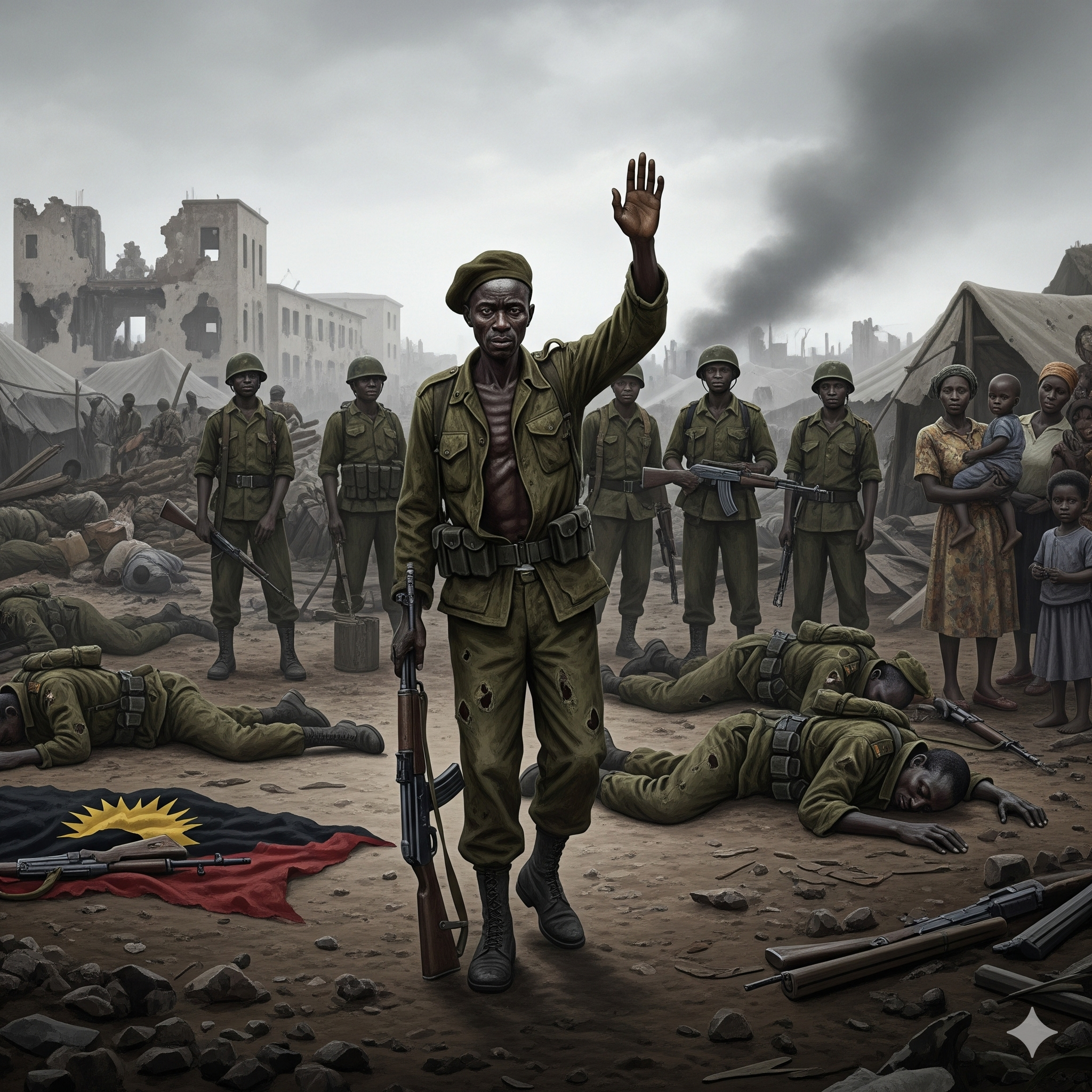
The Final Days of Biafra – Collapse, Surrender, and Aftermath (1970)

(Part of the Nigeria234.com Civil War Series (1966–1970))
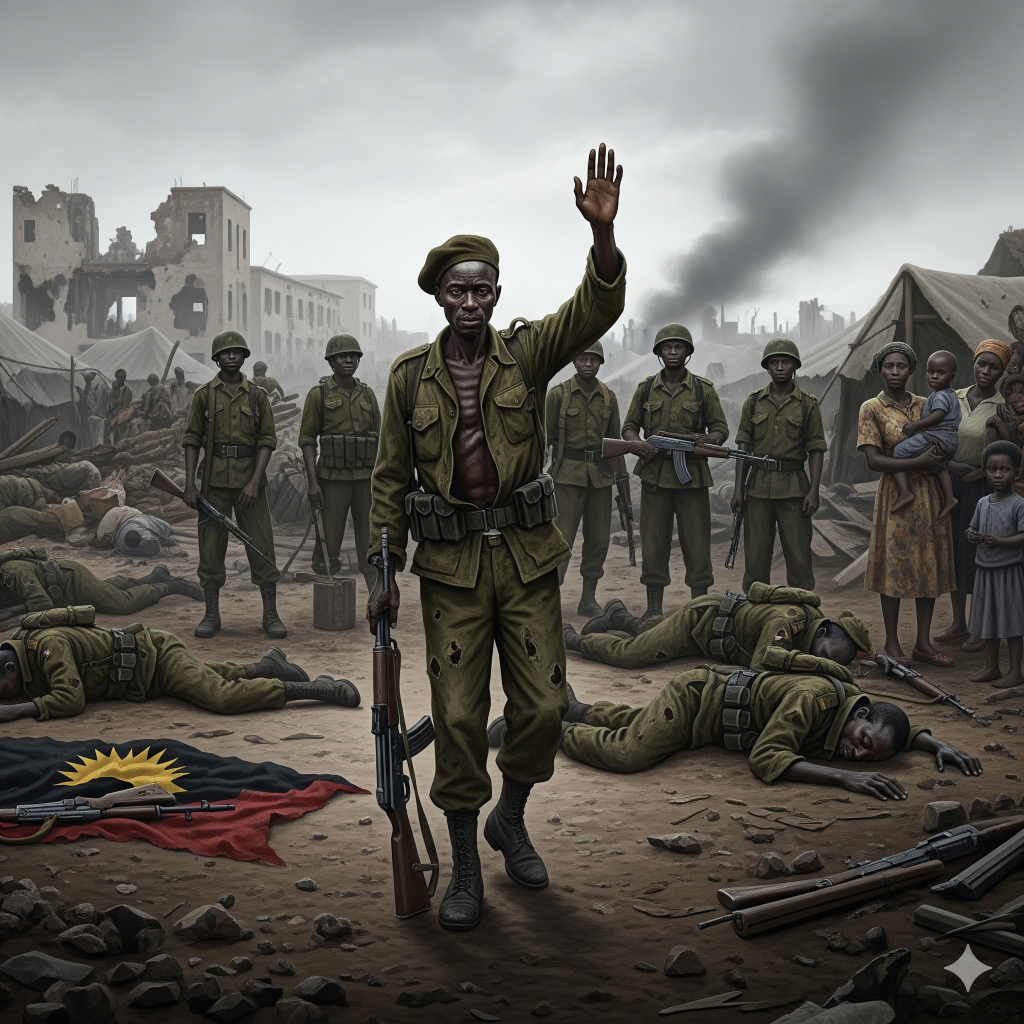
📝 Introduction
By late 1969, the Republic of Biafra was a nation on its knees. Once fueled by pride and hope, it was now surrounded, starved, and exhausted. The final collapse in January 1970 brought an end to one of Africa’s bloodiest wars — but also raised questions that still echo in Nigeria’s politics today.
⚔️ The Last Battles (1969)
- By December 1969, Federal forces had captured most of Biafra’s territory.
- The 3rd Marine Commando Division, under General Olusegun Obasanjo (who replaced Alani Akinrinade), advanced deep into Biafra.
- Major battles at Owerri, Umuahia, and Orlu left Biafra’s defenses shattered.
- Federal troops cut off remaining strongholds, leaving Biafran soldiers demoralized and civilians in despair.
✈️ Ojukwu’s Exile
- On January 9, 1970, Biafran leader Chukwuemeka Odumegwu Ojukwu secretly boarded a plane to Côte d’Ivoire, seeking asylum.
- His departure shocked many followers, but he later explained it was to avoid unnecessary bloodshed and allow a negotiated peace.
🎖️ Philip Effiong Takes Over
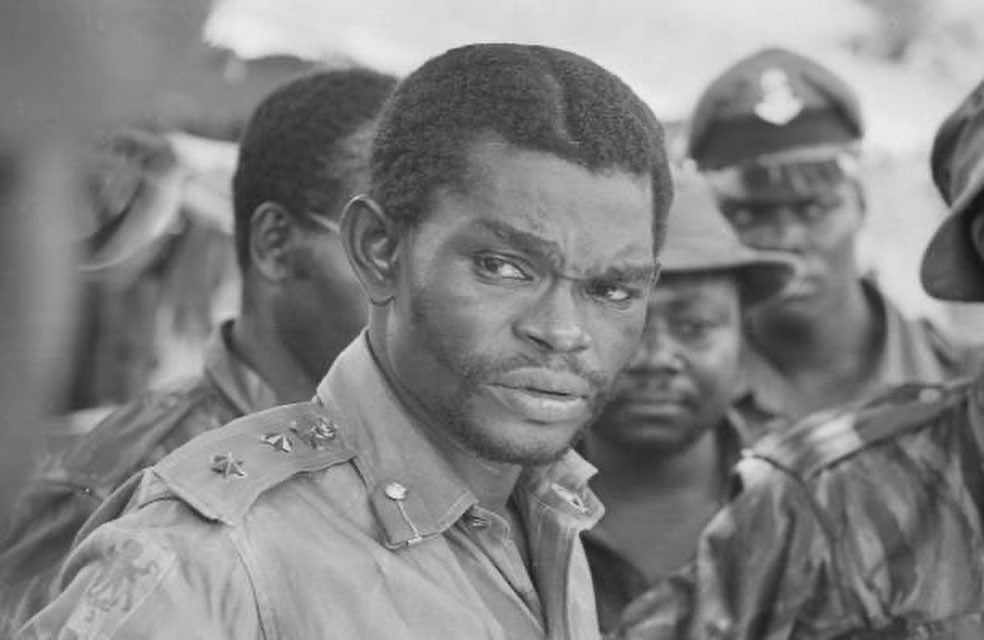
- With Ojukwu gone, General Philip Effiong became Acting Head of State.
- On January 12, 1970, he announced on Radio Biafra: “I have assumed leadership of Biafra in order to stop the bloodshed.”
- Effiong then led a delegation to Lagos.
🕊️ The Surrender – January 13, 1970
- At Dodan Barracks, Lagos, Effiong formally surrendered Biafra to General Yakubu Gowon.
- His words: “We have fought to the last. We accept the Federal Government’s conditions for peace. We surrender.”
- Gowon responded with his famous “No victor, no vanquished” declaration, promising reconciliation and rebuilding.
📉 Aftermath for Biafrans
- Biafra ceased to exist; the territory was reintegrated into Nigeria.
- Civilians returned to ruins — towns destroyed, families displaced.
- Survivors faced the infamous “20 pounds policy”, where former Biafran bank holders were compensated with just £20, regardless of their previous balance.
- Many Igbo families, once prosperous, were reduced to poverty.
🌍 The World Reacts
- Relief agencies continued delivering aid to rebuild war-torn communities.
- Globally, Biafra became a symbol of famine and suffering, inspiring humanitarian reforms worldwide.
- But diplomatically, few countries mourned its end — most had backed Nigeria’s unity from the start.
🏆 Legacy of the War’s End
- For Nigeria: victory ensured territorial unity but left deep ethnic and regional scars.
- For Igbos: a story of survival, resilience, and unhealed wounds.
- For the world: a lesson in the need for humanitarian intervention and political solutions to ethnic conflict.
💬 Reflection
“Biafra died in 1970, but the questions it raised about justice, equity, and unity are still alive in Nigeria today.”
🌟 Conclusion
The final days of Biafra were marked by desperation, courage, and painful surrender. While the guns went silent in January 1970, the echoes of the war continue to shape Nigerian politics, identity, and memory more than 50 years later.










Related Posts
Stay Informed With the Latest & Most Important News
Previous Post
Next Post
Advertisement

Donations






Loading Next Post...


