Now Reading: The Humanitarian Crisis in Biafra (1968–1970): Starvation, Aid, and Global Outcry
-
01
The Humanitarian Crisis in Biafra (1968–1970): Starvation, Aid, and Global Outcry
The Humanitarian Crisis in Biafra (1968–1970): Starvation, Aid, and Global Outcry

(Part of the Nigeria234.com Civil War Series (1966–1970))
📝 Introduction
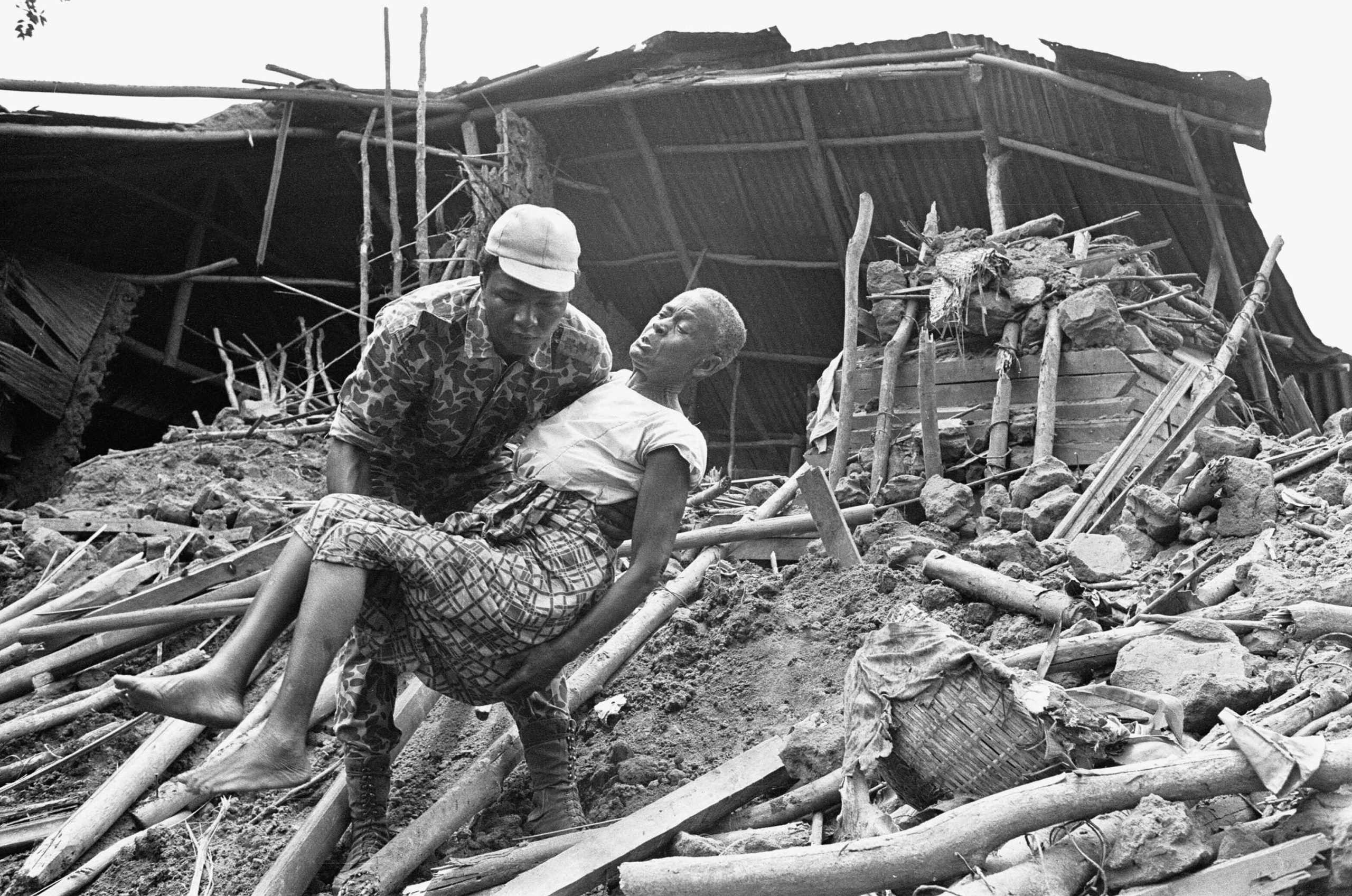
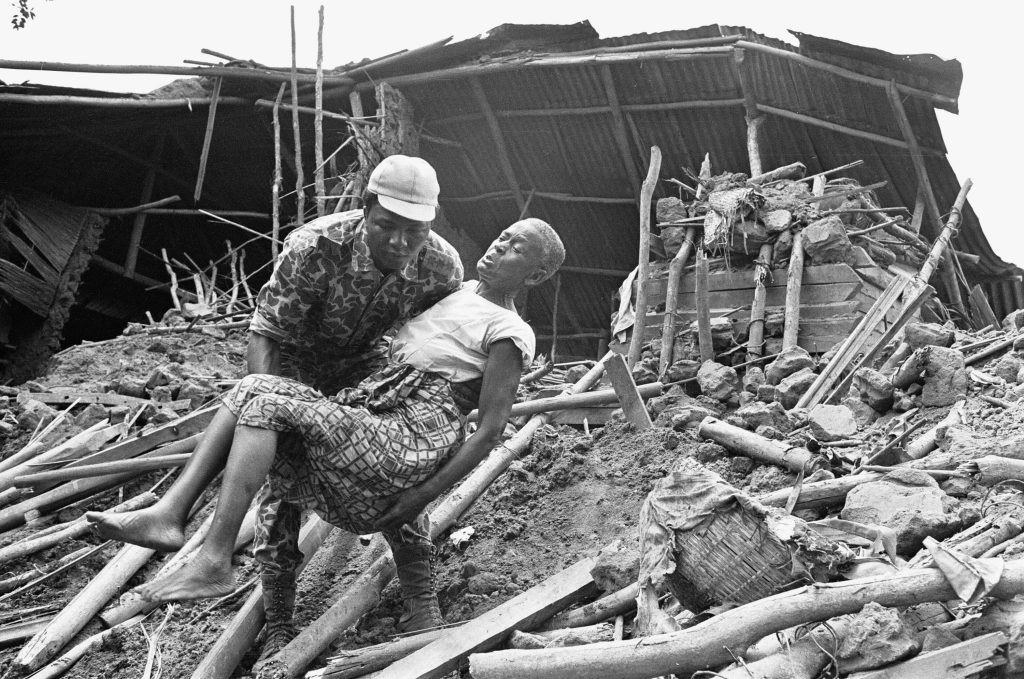
If one image defines the Nigerian Civil War, it is that of the starving Biafran child — skeletal frame, swollen belly, hollow eyes. Between 1968 and 1970, Biafra was cut off by a Federal blockade that led to one of the worst humanitarian crises of the 20th century. Over a million civilians, mostly women and children, are estimated to have died of starvation and disease.
This tragedy not only shaped the war’s outcome but also sparked the birth of modern global humanitarian aid.
🛑 The Blockade and Famine
- After Federal troops captured Port Harcourt (1968), Biafra lost its last seaport.
- Gowon’s government imposed a land, air, and sea blockade, aimed at forcing Biafra into surrender.
- Without access to external supplies, food and medicine ran out.
- Starvation spread quickly across Igbo villages and towns.
⚡ Diseases like kwashiorkor, measles, and cholera ravaged children.
📸 Global Outcry
- International journalists smuggled out photographs of starving children.
- These haunting images shocked the world and mobilized sympathy for Biafra.
- Headlines in Europe and America branded the crisis a genocide by starvation.
- For the first time, humanitarian aid became a global movement.
✈️ The Airlift and Relief Efforts
- Churches, NGOs, and humanitarian groups organized massive relief campaigns.
- Catholic and Protestant missions ran clandestine night flights from São Tomé into Biafra, bringing food and medicine.
- The International Committee of the Red Cross (ICRC) launched one of the largest humanitarian operations of the era.
- Médecins Sans Frontières (Doctors Without Borders) was later founded by French doctors who had worked in Biafra, frustrated by restrictions on aid.
⚡ Politics of Aid
- The Nigerian government accused aid groups of smuggling weapons into Biafra.
- Ojukwu’s administration used famine images to galvanize international support for Biafra’s cause.
- The humanitarian crisis thus became a propaganda battlefield — aid was not just about saving lives, but also about shaping global opinion.
🕊️ Human Cost
- Estimated 1 to 2 million people died of starvation and disease.
- Most victims were children under the age of 10.
- Survivors carried the scars for life — both physically and psychologically.
🌍 Global Legacy
- Biafra marked the beginning of modern humanitarian intervention.
- Relief campaigns united people across the world in unprecedented ways.
- The phrase “Biafra babies” became shorthand for innocent victims of war.
- Organizations like Médecins Sans Frontières traced their origin to Biafra’s crisis.
💬 Reflection
“Biafra turned hunger into a weapon of war, and the world into a witness. The famine forced humanity to ask: how far will we go to stop suffering?”
🌟 Conclusion
The humanitarian crisis in Biafra remains one of the most painful chapters in Nigerian history. It showed how ordinary civilians suffer most in war — and how international aid, though imperfect, can save lives. But it also left behind a haunting question: could the suffering have been prevented?










Related Posts


Stay Informed With the Latest & Most Important News
Previous Post
Next Post


Advertisement