
Now Reading: The neighborhoods of Abuja
1
-
01
The neighborhoods of Abuja
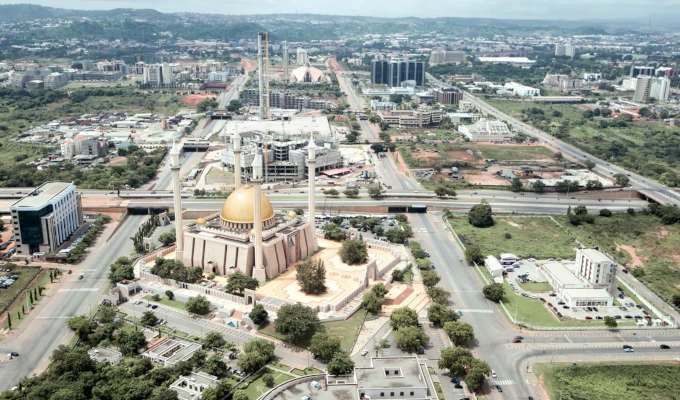

Abuja, Nigeria’s capital city since 1991, was carefully planned and built in the center of the country. Unlike Lagos or Ibadan, Abuja is structured into districts and neighborhoods (called “phases” and “satellite towns”), each with its own identity.
Here’s an overview of the neighborhoods of Abuja:
🏙️ Central Districts (Federal Capital City – FCC)
1. Central Business District (CBD)
- The heart of Abuja.
- Hosts government ministries, the National Assembly, Supreme Court, Central Bank, NNPC Towers.
- Also home to major hotels (Transcorp Hilton, Sheraton), Abuja International Conference Centre, and Eagle Square.
2. Garki
- One of the oldest districts, divided into Garki 1 and Garki 2.
- Mix of government offices, residential areas, and markets.
- Garki International Market, Area 1–10 zones are located here.
3. Wuse
- Popular commercial and residential district.
- Divided into Wuse Zones 1–7.
- Known for Wuse Market (largest in Abuja), shopping plazas, and vibrant nightlife.
4. Maitama
- Highbrow, diplomatic neighborhood.
- Embassies, ambassadors’ residences, luxury homes, upscale hotels.
- Popular with wealthy Nigerians and expatriates.
5. Asokoro
- Elite neighborhood, home to top politicians, ministers, and VIPs.
- Houses presidential guest houses, Aso Rock Villa (the President’s residence), and ECOWAS secretariat.
6. Wuse 2
- Separate from the other Wuse zones, more upscale.
- Known for restaurants, bars, boutiques, and nightlife.
7. Jabi
- Residential and commercial hub.
- Jabi Lake Mall and Jabi Lake Park (entertainment, shopping, waterfront).
8. Utako
- Transportation hub with major bus parks and motor parks.
- Also has hotels, offices, and residential areas.
9. Gwarinpa
- One of the largest housing estates in West Africa, originally built by the government.
- Planned residential community with wide roads and modern estates.
10. Katampe
- Known as the “geographical center of Nigeria.”
- Fast-developing residential area with hilly landscapes.
🌍 Satellite Towns (outside the FCC but part of Abuja Metropolitan Area)
11. Kubwa
- Densely populated town, more affordable than central districts.
- Known for Kubwa Village Market.
12. Lugbe
- Residential satellite town along the airport road.
- Affordable housing and proximity to Nnamdi Azikiwe International Airport.
13. Nyanya
- Gateway into Abuja from Nasarawa State.
- High-density population, affordable housing.
14. Karu
- Bordering Nasarawa State.
- Affordable housing but known for traffic congestion into central Abuja.
15. Durumi
- Residential area, houses international schools and NGOs.
- Close to Garki and CBD.
16. Mpape
- Peri-urban settlement overlooking the city.
- Famous for the Mpape Crushed Rock, now a tourist attraction.
17. Apo
- Growing residential area with new estates.
- Known for Apo Mechanic Village (auto spare parts).
18. Kado
- Residential and commercial, near Jabi and Wuse.
- Known for Kado Fish Market.
19. Lokogoma
- Fast-developing area with housing estates.
- Popular with young professionals.
20. Kuje
- Further out, close to the airport.
- More rural but with increasing housing estates.
✅ Summary:
Abuja can be grouped into:
- Highbrow/diplomatic districts → Maitama, Asokoro, Wuse 2
- Commercial/business hubs → CBD, Wuse, Garki, Jabi, Utako
- Residential/estates → Gwarinpa, Katampe, Lokogoma, Apo, Kado
- Satellite towns (affordable/suburban) → Kubwa, Lugbe, Nyanya, Karu, Kuje, Mpape










Related Posts


Stay Informed With the Latest & Most Important News
Previous Post
Next Post
Advertisement

Donations




Loading Next Post...


