
Now Reading: The neighborhoods of Ibadan
1
-
01
The neighborhoods of Ibadan
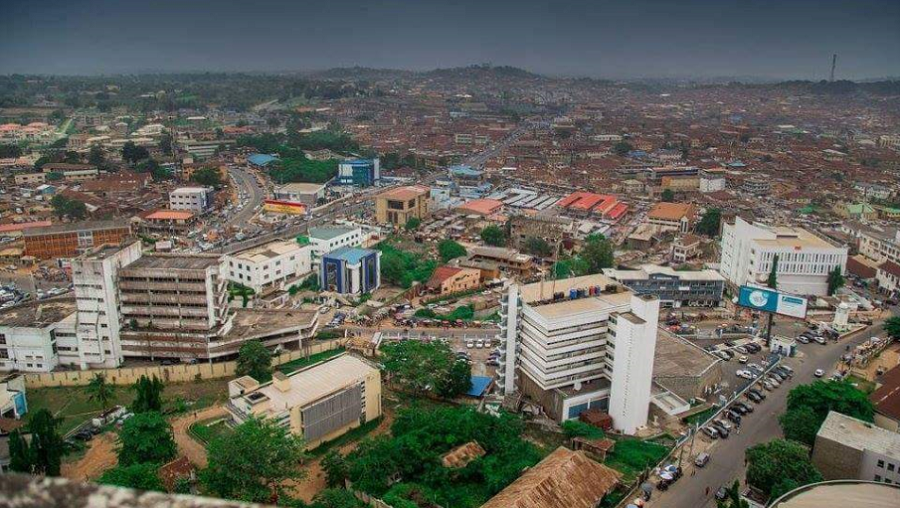

Ibadan, the capital of Oyo State, is the largest city in West Africa by landmass and one of Nigeria’s most historic urban centers. Founded in the 1820s as a Yoruba war camp, it became a major political, cultural, and commercial hub. Today, Ibadan is a mix of old traditional quarters and modern estates.
Here’s an overview of the main neighborhoods of Ibadan:
1. Bodija
- One of Ibadan’s most popular and high-brow residential areas.
- Hosts Bodija Market (one of the largest food markets in West Africa).
- Mix of old estates, schools, and commercial centers.
2. Agodi GRA (Government Reserved Area)
- An upscale neighborhood, historically reserved for colonial administrators.
- Today: governor’s office, secretariat, Agodi Gardens.
- Quiet, leafy environment with embassies and government quarters.
3. Dugbe
- Ibadan’s Central Business District (CBD).
- Known for shops, banks, and offices.
- Major landmarks: Cocoa House (first skyscraper in West Africa), Dugbe market.
4. Mokola
- Busy transport and commercial hub.
- Close to University of Ibadan.
- Famous for Mokola Hill and surrounding nightlife.
5. Jericho
- Affluent residential and business area.
- Known for schools, hospitals, and private estates.
- Jericho GRA is one of the most sought-after neighborhoods.
6. UI/Agbowo
- Around the University of Ibadan (UI), Nigeria’s premier university.
- Agbowo is a student-friendly area with hostels, restaurants, and bookshops.
7. Sango
- A vibrant residential and commercial district.
- Popular among students and young professionals.
- Houses many hostels and transport links.
8. Challenge
- Major transportation interchange.
- Known for shopping plazas, nightlife, and access to other parts of the city.
9. Iwo Road
- Commercial hub with bustling shops, electronics markets, and bus terminals.
- A gateway to other cities (Ilorin, Oyo, Lagos).
10. Akobo
- Fast-growing residential area with modern estates.
- Popular with middle- and upper-class families.
11. Oluyole Estate
- Planned estate originally developed for employees of Nigerian Tobacco Company.
- Today: upscale residential area, also home to industries and banks.
12. Ring Road (Mobil Area)
- A high-profile area with businesses, hotels, and restaurants.
- Known for nightclubs and lounges.
13. Orita-Mefa
- One of the busiest junctions in Ibadan.
- A mix of residential and commercial spaces.
14. Apata
- Residential area in the south-western part of Ibadan.
- Close to military barracks and industries.
15. Oke-Ado
- Traditional Yoruba neighborhood.
- Known for its markets and historic character.
16. Mapo/Beere
- The cultural and historical heart of Ibadan.
- Mapo Hall (colonial-era city hall) is located here.
- Surrounding areas house the Olubadan’s palace and traditional quarters.
17. Idi-Ape/Monatan
- Rapidly growing residential and commercial hub.
- Popular for new estates and proximity to Iwo Road.
18. Eleyele
- Residential district with Eleyele Dam and lake.
- Scenic environment and growing middle-class community.
19. Ologuneru
- Emerging residential area on the outskirts.
- Favored for its affordability and space.
20. Oke-Bola & Oke-Ado
- Traditional inner-city neighborhoods.
- Known for indigenous compounds and local markets.
✅ Summary:
Ibadan’s neighborhoods can broadly be grouped into:
- Traditional quarters (Mapo, Beere, Oke-Ado, Oke-Bola)
- Commercial hubs (Dugbe, Challenge, Iwo Road, Mokola)
- Modern residential estates (Bodija, Jericho, Oluyole, Akobo, Ring Road)
- Educational/Student areas (UI/Agbowo, Sango)
- Expanding suburbs (Ologuneru, Apata, Eleyele, Monatan).










Related Posts


Stay Informed With the Latest & Most Important News
Previous Post
Next Post

Advertisement

Donations




Loading Next Post...


