Now Reading: The Nigerian Naira: A History and Its Value
-
01
The Nigerian Naira: A History and Its Value
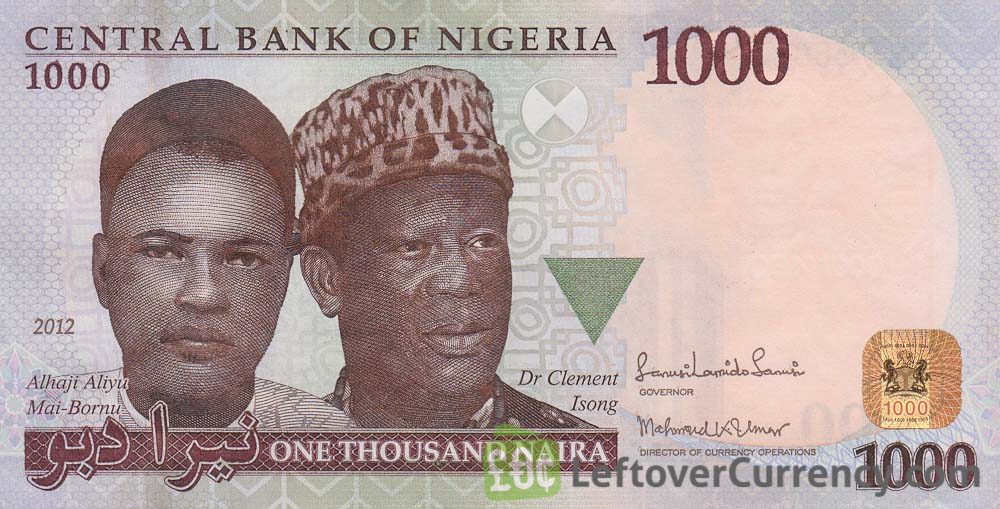

The history of the Nigerian Naira is a compelling case study of a currency’s journey from relative stability to extreme volatility, driven by a complex interplay of economic fundamentals, political decisions, and external shocks. Introduced in 1973 as a confident step towards a decimalized system for an independent nation, the Naira’s trajectory has been profoundly shaped by Nigeria’s heavy reliance on crude oil exports. This dependence has created a paradoxical vulnerability where the nation is both a major oil exporter and a significant importer of refined petroleum products, making its currency susceptible to global market fluctuations.
This report demonstrates that the Naira’s valuation is not a simple function of supply and demand but is deeply rooted in policy choices. The pivotal introduction of the Structural Adjustment Programme (SAP) in the 1980s, in response to an oil glut, was a deliberate policy that led to a significant devaluation and, most critically, institutionalized the parallel market that continues to this day. Subsequent government policies, from the rigid exchange rate pegs of the 1990s to recent, aggressive reforms aimed at market unification, have all had profound and often painful consequences.
Recent Central Bank of Nigeria (CBN) and government actions, including the 2023 exchange rate unification and the controversial Naira redesign policy, represent a decisive shift towards a market-driven approach. While these reforms have caused immediate pain through sharp currency depreciation and a severe cash crunch, they are theoretically intended to foster long-term stability by reducing market distortions and attracting foreign investment. However, the path to sustained stability remains contingent on addressing deep-rooted, non-economic constraints. The pervasive insecurity and political instability act as significant deterrents to foreign direct investment, undermining policy efforts and hindering economic diversification. The Naira’s future value is thus inextricably linked to Nigeria’s broader capacity to build institutional resilience, enhance governance, and tackle these fundamental, structural challenges.
Introduction: The Naira in Context
Nigeria, as Africa’s largest economy and most populous nation, occupies a pivotal role in the continent’s economic landscape. Its currency, the Nigerian Naira (NGN), serves as the financial heartbeat for over 200 million people. An examination of the Naira’s history and its valuation reveals a complex narrative that extends far beyond simple economic metrics. This report is designed to provide a comprehensive, expert-level analysis of the Nigerian Naira, tracing its origins, chronicling its moments of stability and volatility, and dissecting the multifaceted factors that have determined its value over five decades.
The report employs a multi-disciplinary approach, synthesizing historical data, macroeconomic analysis, and the influence of socio-political dynamics. By doing so, it moves beyond a superficial account of currency fluctuations to provide a nuanced understanding of the causal relationships that define the Naira’s performance. The analysis explores the central role of oil revenues, the impact of both effective and mismanaged government policies, the persistent challenge posed by a fragmented foreign exchange market, and the critical influence of non-economic factors such as political and security risks. Ultimately, this document aims to provide a holistic and authoritative view for stakeholders seeking to understand the past, present, and future of Nigeria’s monetary unit.
Chapter 1: The Historical Genesis of the Naira (1973-1990s)
The Transition from the Nigerian Pound
The Nigerian Naira was formally introduced on January 1, 1973, marking a significant step in the nation’s post-colonial economic independence. The new decimal currency replaced the Nigerian pound at an exchange rate of £1 = ₦2, an introduction that made Nigeria the last country in the world to transition from the British £sd currency system. The name “Naira” was coined by Chief Obafemi Awolowo from the word “Nigeria,” although its official launch was overseen by Shehu Shagari, who served as Minister of Finance at the time.
The initial currency issuance included coins in denominations of ½, 1, 5, 10, and 25 kobo, with the ½ and 1 kobo minted in bronze and the higher denominations in cupro-nickel. The ½ kobo coins were minted for only one year. On the same day, notes were introduced for 50 kobo, ₦1, ₦5, ₦10, and ₦20. This early period was characterized by relative currency strength, with the Naira initially trading at a strong rate to the U.S. dollar, approximately ₦0.658 to $1 in 1973 and remaining below ₦1 per dollar until the mid-1980s.
The Structural Adjustment Programme (SAP) and the Birth of the Parallel Market
The early strength of the Naira, however, was built on a foundation of oil dependence that would prove to be a critical vulnerability. By the early 1980s, a global oil glut caused a drastic fall in foreign exchange earnings for oil-dependent economies, including Nigeria. This economic crisis led the government of President Ibrahim Babangida to accept a Structural Adjustment Programme (SAP), a package of economic reforms initiated by the World Bank and the International Monetary Fund (IMF) in July 1986. The SAP was designed to restructure and diversify Nigeria’s economy, curtail its dependence on oil, and achieve fiscal stability through market-oriented strategies.
A central component of the SAP was the adoption of a “realistic exchange rate policy,” which entailed a significant devaluation of the Naira. To facilitate this, the Second-Tier Foreign Exchange Market (SFEM) was introduced in September 1986. This policy represented a deliberate choice to allow market forces to influence the exchange rate, and it fundamentally altered the currency’s trajectory. Before the SFEM, the Naira traded at a rate of roughly ₦0.90 to $1. By the time the Babangida regime ended in 1993, the Naira had plummeted to ₦17 to $1, a near 1,800% depreciation. This period also saw the introduction of bureaux de change, which, while intended to support the new market, effectively institutionalized the parallel market that would become a permanent feature of Nigeria’s economy.
This early period demonstrates a critical causal relationship. The initial strength of the Naira was not a function of a diversified, resilient economy but rather a consequence of high oil prices. When those prices fell, the government’s policy response—the SAP and the subsequent devaluation—created the dual-market structure that continues to define the Naira’s value. The decisions made in the 1980s, in response to external shocks, fundamentally altered the currency’s long-term path, moving it from a managed, stable unit to a perpetually volatile one with a deeply ingrained parallel market.
Chapter 2: A Chronicle of Volatility: The Naira from the 1990s to the Present
Institutionalization of the Parallel Market
Following the initial devaluation, the parallel market became increasingly entrenched in Nigeria’s financial system. During the presidency of Sani Abacha from 1993 to 1998, the “official” exchange rate was rigidly fixed at ₦22 to $1, a rate that remained unchanged for five years. This policy created a significant and widening gap between the official and unofficial markets. At one point, the parallel market rate reached as high as ₦88 to $1, four times the official rate, which mainstreamed the forex black market as a permanent fixture of the economy. A phenomenon known as the “blended” rate emerged, where bankers would combine funds obtained from the official and black markets to fulfill client requests, highlighting the institutional workarounds developed to operate in a distorted system.
Subsequent reforms, such as the introduction of the Interbank Foreign Exchange Market (IFEM) by CBN governor Joseph Sanusi in 1999, aimed to bring the official rate closer to the black market rate. Within a year, the Naira was trading at ₦85 to $1, and the gap with the black market had closed considerably, though it did not eliminate the dual market entirely.
Major Devaluations and the Floating Regime
The Naira’s journey has been marked by several significant, sharp devaluations. A key moment occurred on June 20, 2016, when the CBN abandoned its managed peg and allowed the Naira to float, having been pegged at ₦197 to $1 for several months. This policy change was a direct response to market pressures and dwindling foreign reserves, causing the currency to fall to a speculated natural range of ₦280 to ₦350 to the dollar.
The most dramatic depreciation has been observed in the last two years. On June 14, 2023, the CBN formally abandoned its currency peg, allowing the Naira to trade freely. This single policy move caused the currency to fall by 23% in one day, reaching a rate of ₦600 to $1. The depreciation continued its rapid pace, with the Naira reaching a new record low of ₦853 to $1 by July 19, 2023. The currency experienced another precipitous fall of more than 50% between February 1 and February 5, 2024, dropping from ₦898 to ₦1,400 per dollar, before drifting down to ₦1,600 by the end of July 2024.
Case Study: The 2023 Naira Redesign Policy
The 2023 Naira redesign policy, which involved the introduction of new ₦200, ₦500, and ₦1,000 notes, serves as a recent case study of a policy’s theoretical aims clashing with real-world implementation. The CBN’s stated objectives were to improve monetary policy, promote digital alternatives like the eNaira, and combat illicit activities such as money laundering, kidnapping-for-ransom, and vote-buying.
Despite these well-intentioned goals, the policy’s implementation was fraught with problems and unintended consequences. The CBN delivered too few of the new notes into circulation, creating a severe nationwide cash crunch. The intended alternative, the eNaira, proved to be an inadequate substitute for cash due to insufficient digital infrastructure and low public trust in digital financial products. A survey revealed that 51% of Nigerian respondents had experienced attempted digital scams, contributing to a lack of public confidence that undermined the policy’s success.
The consequences were disastrous for many sectors of the economy. Businesses suffered massive losses, with the Poultry Farmers Association of Nigeria, for example, recording losses of over ₦30 billion worth of eggs due to the cash shortage. The policy also triggered widespread street protests as citizens struggled to access cash for daily transactions. This episode illustrates a key lesson: a monetary policy, however theoretically sound, can fail if it does not account for the practical realities of a country’s infrastructure and the critical role of public trust. The policy’s implementation exacerbated economic difficulties and created a new form of market fragmentation, with a parallel market for the new notes emerging.
Chapter 3: The Multi-Layered Determinants of the Naira’s Value
The Naira’s value is influenced by a complex web of interconnected factors, chief among them being its inextricable link to Nigeria’s oil-based economy.
Economic Fundamentals and the Oil Paradox
Oil is the backbone of Nigeria’s formal economy. It accounts for over 60% of government revenue and more than 90% of foreign exchange earnings. This over-reliance makes the Nigerian economy exceptionally vulnerable to volatility in international oil prices. From a theoretical standpoint, an increase in oil prices should lead to an appreciation of the currency of an oil-exporting nation by boosting foreign exchange earnings and building up foreign reserves. The evidence supports this, as a positive shock in oil prices is typically followed by a gradual appreciation of the Naira, albeit with a time lag. The Naira’s appreciation through 2007, for example, was attributed to high oil revenues. Conversely, a sharp decline in oil prices has a “devastating impact” on government revenue and access to U.S. dollars.
A unique aspect of Nigeria’s situation is its paradoxical status as a major crude oil exporter that also heavily imports refined petroleum products. This creates a situation where the pressure on the Naira’s exchange rate comes from both sides: a positive oil price shock benefits exports, but rising prices also increase the cost of imported refined products, putting counter-pressure on the currency. This dual dependency makes the Naira’s valuation particularly sensitive and difficult to predict.
Monetary Policy and Central Bank Actions
The Central Bank of Nigeria (CBN) is the sole issuer of legal tender and is responsible for managing the money supply to ensure monetary and price stability. A primary tool for this is the Monetary Policy Rate (MPR). As inflation has surged, the CBN has consistently used interest rate hikes to combat it. The CBN increased its key interest rate six times in 2011, from 6.25% to 12%. More recently, the MPR was set at 27.50% in July 2025. The CBN’s use of high interest rates is intended to attract foreign portfolio investors (FPIs), which in turn boosts foreign exchange inflows and helps stabilize the Naira. Data from 2024 shows that the CBN aggressively increased open market operations (OMO) bill sales to attract such inflows, with yields peaking at 24.4%.
However, this reliance on short-term speculative capital creates a new vulnerability. As global interest rates remain high, there is a risk that a future easing of the CBN’s monetary policy could dampen FPI appetite and put renewed pressure on the Naira. The interconnectedness of oil prices, foreign reserves, and monetary policy creates a self-reinforcing feedback loop. Oil price shocks lead to a decline in foreign reserves, which creates a scarcity of foreign exchange. This scarcity fuels the parallel market and drives inflation, which then forces the CBN to raise interest rates, attracting short-term capital that does not address the fundamental issue of a lack of economic diversification.
Table 1: Nigeria’s Key Macroeconomic Indicators (2022-2025)
| Year/Month | Inflation Rate (%) | Monetary Policy Rate (%) | Foreign Exchange Reserves (USD Million) |
| 2022 | 22.22 | 16.5 | 37,210 |
| Dec 2023 | 24.66 | 18.75 | 33,600 |
| Jul 2025 | 21.88 | 27.50 | 39,270 |
| Nov 2024 | – | – | 40,380 |
| Sep 2008 | – | – | 62,081.9 |
| Jul 2025 | – | – | 39,270 |
Export to Sheets
Data compiled from various sources, including.
The Role of Foreign Exchange Reserves
A nation’s foreign exchange reserves are a critical buffer against external shocks and a key indicator of its capacity to support its currency. Nigeria’s reserves have fluctuated in tandem with oil price cycles. For example, reserves peaked at $62.08 billion in September 2008 during a period of high oil prices, a testament to the direct link between oil revenue and reserve accumulation. As of July 2025, the reserves stood at $39.27 billion. The ability of the CBN to intervene in the foreign exchange market to stabilize the Naira is directly tied to the level of these reserves. When reserves are high, the CBN has greater capacity to manage the currency’s value, and a buildup of reserves is a direct consequence of positive oil price shocks.
Chapter 4: The Parallel Market and Its Broader Implications
The persistent and significant gap between the Naira’s official and parallel (or black) market exchange rates is one of the most defining characteristics of Nigeria’s monetary system. The roots of this dual market lie in the policy decisions of the SAP era, which, while intended to correct imbalances, created a “permanent fixture” that operates outside the official system.
Drivers of the Persistent Gap
The primary driver of the parallel market is the chronic scarcity of foreign exchange within the official channels. The demand for foreign currency, especially for essential imports like manufacturing materials, as well as for payments for foreign education and medical services, consistently outstrips the supply provided by the CBN. In response to this, the CBN has at times implemented policies that have inadvertently exacerbated the problem, such as placing caps on online international transactions using Naira debit cards and suspending the sale of forex to Bureau de Change operators. These measures, intended to stabilize the market, have instead driven more demand to the parallel market, where buyers and sellers negotiate rates based on pure supply and demand dynamics.
The lack of public trust in the official system also plays a crucial role. Following painful experiences like the 2023 cash crunch, individuals and businesses are increasingly inclined to hold cash or seek foreign currency on the black market as a hedge against inflation and economic uncertainty.
Implications for the Economy
The existence of a significant gap between the two markets has serious implications for the Nigerian economy:
- Distorted Reality: The parallel market rate, often seen as a more accurate reflection of the Naira’s true value, complicates economic planning and creates pricing risks for businesses, as they must navigate between different exchange rates.
- Inflationary Pressures: For an import-dependent economy, a depreciating Naira, particularly in the parallel market, directly fuels inflation by making imported goods and services more expensive.
- Deterrence to Investment: The volatility and lack of a transparent, unified exchange rate, coupled with liquidity risks and difficulties in repatriating funds, are major deterrents to long-term foreign direct investment.
Table 2: Official vs. Parallel Market Exchange Rates (NGN/USD)
| Date | Official Rate (NGN/USD) | Parallel Rate (NGN/USD) | Gap (%) |
| Early 1980s | ~0.90 | N/A | N/A |
| 1993 | 17.00 | N/A | N/A |
| 1998 | 22.00 | 88.00 | 300% |
| 2022 | 430.00 | 1700.00 | 295.3% |
| Jun 14, 2023 | ~600.00 | – | – |
| Jul 19, 2023 | 853.00 | – | – |
| Oct 19, 2023 | 774.00 | 1,035.00 | 33.7% |
| Feb 2024 | 898.00 | 1,400.00 | 55.9% |
| Aug 2025 | 1,535.58 | ~1,600 | ~4.2% |
Export to Sheets
Data compiled from various sources, including.
Recent Unification Efforts
In a bold move on June 14, 2023, the Tinubu administration introduced a uniform exchange rate system, collapsing previously segmented markets into a single Nigerian Foreign Exchange Market (NFEM) and adopting a “willing buyer, willing seller” model. The theoretical goal was to increase transparency and predictability, which would, in the long term, attract investment and reduce transaction costs. However, the initial outcome was a sharp increase in the official selling price of the Naira, as the official rate moved closer to the parallel market rate. This period was characterized by significant volatility, with both the official and black market rates rising. The success of this policy hinges on the CBN’s ability to sustain foreign exchange liquidity and build enough trust to bring all transactions into the formal market.
Chapter 5: The Naira in a Regional and Global Context
The Naira’s performance is not an isolated phenomenon; it is part of a broader trend affecting currencies in many developing economies. A comparative analysis with regional peers and other oil-exporting nations provides valuable perspective on the factors driving its trajectory.
Naira vs. Other African Currencies
Most sub-Saharan African currencies have been under significant pressure, particularly from “higher-for-longer” interest rates in the United States. The resulting currency depreciation exacerbates inflationary pressures in import-dependent economies. Nigeria’s situation, while acute, is not unique. A comparison with Ghana’s Cedi highlights a shared regional vulnerability. Both Nigeria and Ghana operate managed float regimes. The Cedi experienced a severe devaluation of nearly 54% against the U.S. dollar in 2022, a major factor in Ghana’s sovereign debt default. This parallel demonstrates that both nations, as commodity exporters with heavy import dependencies, share a similar vulnerability to global shocks and trade imbalances.
In contrast, the West African CFA franc (XOF), used by neighboring countries like Benin and Niger, offers a different model of currency management. Pegged to the Euro, the CFA franc provides a degree of stability that the Naira lacks. While the Naira’s value against the CFA franc has fluctuated, the fixed regime of the CFA offers an alternative approach to managing currency volatility that highlights the risks inherent in the Naira’s managed float system.
Naira vs. Currencies of Other Oil-Exporting Nations
A global comparison reveals that oil-exporting economies have responded to oil price fluctuations in different ways. They can be broadly categorized into three groups:
- Fixed Peg: Countries that have successfully defended a fixed peg to the U.S. dollar, such as Saudi Arabia and the United Arab Emirates. These nations possess the fiscal strength and foreign reserves necessary to maintain this stability.
- Managed Float/Devaluation: Countries that have given up resistance to market pressures and either switched to a managed float or carried out sharp devaluations. This group includes Nigeria, Russia, Kazakhstan, and Angola.
- Floating: Countries with economies strong enough to let their currencies float freely without excessive intervention.
Nigeria’s position in the second group underscores its unique challenge. Unlike countries with vast, well-managed sovereign wealth funds, Nigeria’s reliance on oil for both revenue and foreign exchange, coupled with its import dependency and high domestic instability, has made a rigid, fixed exchange rate unsustainable. The Naira’s journey is a predictable outcome for an economy of its structure operating under a managed float regime. The contrast with more stable oil exporters reveals that the “oil exporter” label alone is not a guarantee of currency stability; the underlying governance, institutional strength, and economic diversification are more critical factors.
Table 3: Comparative Currency Performance (2022-2023)
| Currency | Country | Exchange Rate vs. USD (Oct 2022) | Exchange Rate vs. USD (2023) | % Change (Depreciation) |
| NGN | Nigeria | 430 | ~1700 | ~295% |
| GHS | Ghana | – | – | ~54% |
| KES | Kenya | – | – | ~15% |
Export to Sheets
Data compiled from various sources, including.
Chapter 6: Macroeconomic Challenges and the Path Forward
The Naira’s value is ultimately a reflection of Nigeria’s broader economic, political, and social health. The most significant threats to its stability are not solely economic; they are non-economic factors that create a high-risk environment and directly hinder foreign direct investment.
The Nexus of Insecurity and Economic Stagnation
Nigeria continues to face severe security challenges, including banditry, kidnappings, and insurgency, particularly in the northern regions. This pervasive insecurity has a direct, detrimental impact on the economy.
- Deterrence to Investment: The lack of a secure environment discourages both domestic and foreign investors, leading to business closures and relocations to other, more stable African nations. The constant threat of kidnapping, for example, has particularly impacted foreign direct investment.
- Disruption of Key Sectors: The agricultural sector, a cornerstone of the economy in the north, has been severely disrupted. Farmers are afraid to cultivate their fields, and bandits rustle livestock, leading to a decline in food production and contributing to a national food crisis.
- Diversion of Resources: The government is forced to redirect funds that could have been used for developmental projects, infrastructure, and poverty alleviation toward combating security threats, limiting the country’s capacity to address other pressing economic issues.
The connection is direct: insecurity reduces productivity and investment, which in turn leads to lower foreign exchange earnings, putting further pressure on the Naira’s value.
The Challenge of Political Continuity
Political risk is another critical factor influencing investor confidence and the Naira’s stability. Frequent changes in government often result in the abandonment of projects initiated by previous administrations, creating uncertainty and discouraging long-term investment. A lack of transparent governance and institutional resilience makes it difficult for investors to trust that their capital will be protected beyond a single political cycle. The solution, as discussed in recent forums, lies in building stronger governance frameworks and utilizing mechanisms like public-private partnerships (PPPs) to insulate projects from political interference.
Towards a More Stable Future
The recent, aggressive policy reforms by the Tinubu administration and the CBN represent a decisive, albeit painful, shift towards addressing these deep-rooted issues. The CBN governor, Olayemi Cardoso, has outlined a 10-point reform agenda that includes a focus on monetary and price stability, exiting quasi-fiscal functions, and collaborating with fiscal authorities to boost foreign reserves. Key policy moves have included the lifting of foreign exchange restrictions on 43 commodities, the unification of exchange rates into a single market, and new guidelines to enhance transparent interbank trading.
While these measures are designed to help the economy “turn the corner” and improve competitiveness, they are not a complete solution in isolation. The long-term stability of the Naira depends on a fundamental shift in the country’s economic and political structure. Sustained progress will require parallel improvements in governance, security, and institutional transparency. The Naira’s value will remain perpetually vulnerable until the foundational issues of a resource-dependent, import-heavy economy and a high-risk, insecure environment are addressed.
Conclusion: The Naira at a Crossroads
The history of the Nigerian Naira is a powerful illustration of the consequences of an over-reliance on a single commodity and the critical importance of prudent, forward-looking economic policy. From its inception as a symbol of a post-colonial, independent nation, the Naira’s fate has been inextricably linked to the fluctuations of the global oil market. The pivotal decision to devalue the currency under the Structural Adjustment Programme in the 1980s was not merely a reaction to a crisis; it was a policy choice that fundamentally created the dual-market structure that persists to this day, a structure that reflects a deep-seated lack of trust in official financial channels.
The recent, aggressive reforms—particularly the exchange rate unification—represent a painful but necessary step toward bringing the Naira’s official value in line with market realities. The immediate consequence has been a dramatic depreciation, but the long-term goal is to restore transparency and attract the foreign investment needed to drive economic growth and diversification. However, this journey is fraught with challenges. The pervasive insecurity and political instability act as significant deterrents, directly impacting productivity, business operations, and the confidence of investors.
In synthesis, the Naira stands at a crossroads. Its future stability is not guaranteed by recent policy shifts alone. It hinges on a delicate and difficult balancing act: the CBN must sustain its commitment to a market-driven exchange rate, while the government must concurrently address the foundational, non-economic issues that undermine institutional stability and deter investment. The Naira’s value will ultimately be a barometer of Nigeria’s success in building a more diversified, resilient, and secure economy. The path is clear, but its navigation requires a sustained, collaborative effort to reform not just monetary policy but the very structures that govern the nation.










Related Posts



Stay Informed With the Latest & Most Important News
Previous Post
Next Post


Advertisement