Now Reading: The Trajectory of Women’s Influence in Nigeria: A Historical and Political Analysis from Traditional Roles to Modern Leadership
-
01
The Trajectory of Women’s Influence in Nigeria: A Historical and Political Analysis from Traditional Roles to Modern Leadership

The Trajectory of Women’s Influence in Nigeria: A Historical and Political Analysis from Traditional Roles to Modern Leadership

I. Executive Summary
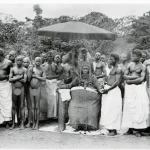
This report provides a comprehensive analysis of the evolution of women’s roles in Nigerian society, tracing their journey from positions of significant pre-colonial authority to their contemporary struggle for political representation. The findings reveal that pre-colonial Nigerian women, particularly in the Igbo, Yoruba, and Hausa societies, were not merely relegated to domestic spheres. They were indispensable economic contributors and held institutionalized political and spiritual power through parallel governance structures and chieftaincy titles. This historical reality stands in stark contrast to the modern-day narrative of female subordination.
The report highlights that the primary catalyst for the decline of women’s influence was the imposition of British colonial rule. The colonial administration systematically dismantled indigenous female power structures, such as the Iyalode and all-female age grades, and replaced them with exclusively male-centric systems. This historical marginalization ignited powerful women-led resistance movements, most notably the 1929 Aba Women’s War and the Abeokuta Women’s Union led by Funmilayo Ransome-Kuti, which proved the resilience and political agency of Nigerian women.
Despite these foundational acts of resistance and the emergence of post-independence feminist movements, Nigerian women today face a profound crisis of underrepresentation. Statistical analysis demonstrates that their participation in political leadership is among the lowest in the world, a regression from even the symbolic gains of the early post-colonial period. This systemic exclusion is perpetuated by a complex web of barriers, including deeply entrenched socio-cultural norms, economic constraints, political “old boys’ clubs,” and a media landscape that trivializes female leadership.
This report concludes that Nigeria’s democratic framework has failed to spontaneously produce gender equality. Therefore, a multifaceted approach is required to rectify this imbalance. Key legislative initiatives, such as the proposed special seats and ministerial quotas, are critical institutional interventions. However, these must be complemented by robust enforcement of existing laws and a concerted, long-term effort to challenge and transform the cultural and religious beliefs that underpin gender inequality. Achieving a more equitable political landscape is not merely a matter of social justice but a strategic imperative for Nigeria’s future development, economic stability, and democratic maturity.
II. The Foundations of Female Authority: Women in Pre-Colonial Nigeria
2.1 The Economic Backbone: Women’s Indispensable Roles in Production and Commerce
In pre-colonial Nigeria, the economic contributions of women were not only complementary to men’s but were often pivotal to the success and sustenance of their societies. Across diverse ethnic groups, women were central to agricultural production, local industries, and extensive trade networks. This rich economic history directly contradicts the contemporary narrative that women have always been confined to a subservient, domestic existence.
In traditional Igbo society, women played outstanding and indispensable roles in the economy, which was anchored on agriculture, non-agricultural production, and trade. While yam was considered the “king crop” and primarily cultivated by men, women were the dominant force behind the production of subsidiary crops vital for family nutrition. These included cocoyam, bulbils, trifoliate yam, cassava, cowpea, and a variety of vegetable crops. This specialization not only ensured a balanced diet rich in protein, vitamins, and other nutrients but also enhanced the economic capacity of women, as a bountiful harvest allowed them to sell surplus produce at regular intervals. In a display of economic independence, women received their own portions of communal land from their husbands or, in the case of a widow, from her late husband’s share. This system even permitted some ambitious and hardworking women, particularly widows, to own their own yam farms, a practice that transcended traditional gender roles.
Similarly, in Yoruba society, women were influential economic actors. They organized household industries, managed local market systems, and established sophisticated, long-distance trade networks. The pre-colonial Yoruba economy valued women’s labor, and their economic power was a foundation for broader social and political influence. For instance, prominent businesswomen leveraged marital alliances as a strategic tool to expand their trade between different communities. This dynamic shows how economic power was translated into social and political capital, challenging the notion of women being isolated within domestic life. Historical accounts also detail how women were crucial to religious life and participated in farm work, managing homes, and ensuring the success of cultural festivities.
The economic significance of women was equally pronounced in pre-colonial Northern Nigeria. Here, women were integral to the economic and security structures of their communities, contributing actively to agriculture, local industries, and handicrafts. Contrary to the stereotype of being a marginalized group, women in these societies consciously exercised authority in palaces, households, and agricultural activities. Their contributions were seen as essential for smooth administrative control and entrepreneurship development. This historical evidence demonstrates that the pre-colonial economy was more of a cooperative household unit, where gender roles were complementary rather than strictly exclusionary. The idea that women were confined to the domestic sphere and lacked independent economic capacity is a modern construct, not a reflection of the pre-colonial reality.
2.2 Structures of Power: Political and Spiritual Influence
Beyond their economic roles, women in pre-colonial Nigeria also wielded significant political and spiritual power, often through unique, institutionalized structures that ran parallel to male-dominated systems. This institutionalized authority ensured that women’s voices were heard and their interests were protected at the highest levels of governance.
In Igbo society, a debate exists among scholars regarding the extent of women’s political power, with some describing the society as patriarchal. However, a closer look at the historical record reveals the existence of powerful female-specific political institutions. These included all-female age grades and women’s title societies, such as the
Otu Odu (Ivory society) in Onitsha and the Ogbuefi (cow-killer) society in Oguta. While men might have controlled certain aspects of the public sphere, these female institutions provided an internal mechanism for women to articulate their interests, resolve conflicts, and exert influence.
The Yoruba political landscape offers a clear example of institutionalized female power through the Ìyálóde chieftaincy title. The Ìyálóde was a high-ranking female chief, referred to in Yoruba mythology as Oba Obirin, or “King of the Women”. The
Ìyálóde served as the official representative of women in the council of high chiefs, participating directly in discussions and decision-making on crucial community matters and policies. This title was not merely inherited but was bestowed upon a woman based on her “accomplishment and involvement in economic and political matters”. This meritocratic element ensured that the most influential and politically astute women held the position, with notable historical examples including Madam Efunroye Tinubu and Madam Efunsetan Aniwura, both of whom were major political and economic players in their respective communities. In addition to this title, Yoruba women also held roles as regents, sat on king’s councils, and were deeply involved in palace politics.
In Northern Nigerian societies, women’s political power was equally profound. Historical legends and accounts document periods when women were not just influential figures but were actual rulers. Queen Bakwa Turuku is credited with founding the city of Zaria, which was later ruled by her daughter, the formidable warrior Queen Amina. Queen Amina’s reign was characterized by extensive conquests that lasted for over three decades, during which she commanded a ferocious army and received tribute from distant towns. Her existence, along with other female rulers like Queen Daurama of Daura and Queen Kwatam of Kilba, demonstrates that female political leaders were just as prevalent as male leaders in the pre-colonial era. The
Mai Babban Daki (Queen Mother) in the Kano kingdom and the Magira (Queen Mother) of the Borno Empire were also figures of tremendous authority, serving as sacred guardians, advisors, and politicians. The coexistence of these powerful female institutions and influential leaders within a patrilineal society demonstrates a complex, nuanced gender dynamic. It indicates that pre-colonial patriarchy was not an absolute, totalizing system but one that accommodated and formally recognized women’s power, thereby providing a vital mechanism for checks and balances in governance.
III. Colonial Disruption and the Dawn of Organized Resistance
3.1 The Marginalization of Women under Colonial Rule
The arrival of British colonial rule marked a profound and detrimental turning point for Nigerian women. Colonial administrators, operating under a distinctly patriarchal worldview, failed to recognize or engage with the sophisticated parallel power structures that had long existed in indigenous societies. This deliberate ignorance led to the systemic marginalization of women, stripping them of the political authority and economic privileges they had traditionally held.
As the British implemented their system of “indirect rule,” they chose to govern exclusively through male chiefs, effectively rendering women’s political institutions powerless and irrelevant. For example, the influence of female chiefs and titles, such as the
Ìyálóde, was severely diminished as men became the sole collaborators with the colonial administration in governance and tax collection. This was a fundamental reconfiguration of gender relations, as the British imposed a new “moral order” that was exclusively masculine and patriarchal. The colonial government did not simply introduce a new political system; it actively dismantled the pre-existing, balanced power dynamics, creating a vacuum that women would later have to fight to reclaim.
The colonial economy also worked against women’s interests. As the economy became increasingly geared toward cash crops for export—such as rubber, cocoa, and palm oil—Nigerian men and European firms came to dominate their distribution and sale. Women, pushed to the background, were forced to shift their focus to producing subsistence crops, which were less profitable. A new system of land commercialization, favoring those with access to money from cash crop sales, further disadvantaged women who had previously accessed land communally through their parents or husbands. Finally, Western-style education, a gateway to new occupations and economic mobility, favored boys over girls, largely excluding women from the new social and political structures that were being formed.
3.2 The Women’s War of 1929: A Seminal Moment of Anti-Colonial Resistance
The systemic oppression under colonial rule ignited a powerful and unprecedented resistance movement, known as the Women’s War of 1929. This event, centered in southeastern Nigeria, was a direct and ferocious response to the marginalization and abuse of power by the British administration.
The primary triggers for the revolt were the corrupt and oppressive Warrant Chief system and the rumor that the British intended to impose a direct tax on women. The women, already burdened by falling prices for agricultural products due to the global economic depression, saw the proposed tax as the final injustice. They were also deeply resentful that the Warrant Chiefs, who were unelected by the people, abused their power by confiscating women’s property and disrupting social customs.
In late 1929, thousands of Igbo women from across the Bende and Owerri districts organized a mass protest. They did not invent a new method of resistance but instead adapted a traditional Igbo form of protest known as “sitting on a man”. In this practice, women would gather outside the home of a man who had committed an injustice and shame him publicly through singing, dancing, and rhythmic movements. The women transformed this cultural tool into a powerful political weapon, targeting the British administrative offices and the homes of the Warrant Chiefs. This action was a strategic, collective response, demonstrating that women were drawing upon their pre-existing social and cultural capital to challenge an oppressive foreign power that had sought to render them politically invisible. The protests, which involved up to 10,000 women at a time, were initially non-violent, though they were met with deadly force by colonial troops.
Despite the violence, the resistance was a resounding success. The British, unprepared for a challenge of this magnitude, were forced to respond. They ultimately abolished the Warrant Chief system in 1930 and, as a concession, appointed women to serve on the Native Courts. This administrative change was a huge victory for the women and served as a crucial prelude to the later nationalist movements. The Women’s War proved that women’s collective action was a formidable political force, showing that the subversion of their traditional power did not extinguish it but merely pushed it underground, from where it would re-emerge to challenge authority.
3.3 The Abeokuta Women’s Union: A Blueprint for Political Mobilization
Building on the legacy of the Women’s War, the Abeokuta Women’s Union (AWU) led by Funmilayo Ransome-Kuti provided a sophisticated blueprint for modern political mobilization and activism. The AWU was a transformative force that united women across class and literacy lines to fight for their rights.
Initially founded as the Abeokuta Ladies Club in 1932, a charity organization for Western-educated Christian women, the group’s focus shifted dramatically as Ransome-Kuti gained a deeper understanding of the struggles faced by illiterate market women. In 1946, she renamed it the Abeokuta Women’s Union, opening membership to all women and strategically using traditional Yoruba clothing and language to bridge the social gap between educated and non-educated members. This act of class solidarity was a masterstroke in political organizing, enabling the union to grow to an estimated 20,000 members and up to 100,000 supporters.
The AWU’s central campaign was a protest against the unjust flat tax imposed on women by the Alake of Egbaland, who was now a part of the colonial administration through indirect rule. The union employed a range of innovative tactics to exert pressure on the authorities. They organized mass meetings and demonstrations, which they creatively labeled “picnics” and “festivals” to circumvent government bans. They wrote petitions, submitted a detailed audit of the local administration’s finances, and crucially, leveraged the power of the press by syndicating their letters and petitions in multiple newspapers. The women’s unshakeable determination was captured in a petition to the colonial administration in September 1947, where they declared, “We are firm, unshaken and unshakeable”.
The AWU’s efforts yielded significant results. The protests led to the temporary abolition of the women’s flat tax and the abdication of the Alake of Egbaland in 1949. More importantly, the union’s political pressure secured four seats for women on the local council in Abeokuta, marking a tangible victory for political representation and a significant step in the development of proto-nationalist feminism in Nigeria. This movement demonstrated that strategic, organized activism, using a combination of traditional and modern tools, could effectively challenge both colonial rule and a patriarchal structure.
3.4 The Rise of Pioneering Nationalists and Activists
The political awakening of the colonial era produced a generation of pioneering women who would become central figures in both the nationalist movement and the fight for women’s rights. Their contributions laid the foundation for future activism and continue to inspire generations.
Margaret Ekpo was a trailblazing politician and women’s rights activist who, after attending anti-colonial meetings in place of her husband, became a key figure in the struggle for independence. She founded the Market Women Association in Aba to unionize women and advocate for their economic and political rights. Her mobilization efforts were so successful that by 1955, women in Aba outnumbered male voters in a city-wide election. Ekpo was one of the first women elected to the Eastern Regional House of Assembly, where she continuously championed issues affecting women.
In Northern Nigeria, Hajia Gambo Sawaba dedicated her life to fighting for the rights of women and the less privileged. She was a fearless activist who campaigned against underage marriage, forced labor, and unfair taxes. She led the national women’s wing of the Northern Elements Progressive Union (NEPU) and was known for her willingness to challenge traditional norms. Her unwavering commitment to social justice led to her being imprisoned sixteen times, making her one of the most jailed women in Nigerian history.
These pioneering women, along with others like Lady Kofoworola Ademola, who promoted educational opportunities for girls, and the artists like Ladi Kwali, who became an internationally recognized cultural icon, demonstrated that women’s agency was a powerful force that transcended regional and cultural boundaries.
IV. The Post-Independence Era: From Limited Gains to Systemic Setbacks
4.1 Early Political Participation and Symbolic Appointments (1960-1999)
Following independence in 1960, the political landscape in Nigeria provided limited opportunities for women to ascend to positions of power. Despite their critical contributions to the anti-colonial struggle, their representation remained minimal and often symbolic. For instance, Mrs. Wuraola Esan became the first female member of the Federal Parliament in 1960. However, this was a singular achievement rather than a trend. The military coups and subsequent periods of military rule from 1966 to 1999 further restricted women’s political advancement by severely limiting political spaces and cementing a male-dominated environment. During this era, notable female figures were rare, with Ms. Franca Afegbua standing out as the only woman elected to the Senate in 1983. This period demonstrated that the democratic framework, while promising on paper, did not spontaneously translate to gender equality in political representation.
4.2 The Rise of Feminist and Women’s Rights Movements
In response to the persistent marginalization, a more organized and ideologically defined women’s rights movement began to take shape. The National Council of Women’s Societies (NCWS), founded in 1958, emerged as the oldest and largest women’s movement in the country. While it played a significant role, its non-confrontational approach often limited its impact.
A major shift occurred with the inauguration of the Women in Nigeria (WIN) organization in 1983. WIN was conceived as an explicitly feminist movement with a clear, consistent, and rights-based ideology. Its uniqueness lay in its conscious recognition of both class and gender oppression, acknowledging that while many women, like men, suffered from the exploitative nature of Nigerian society, women faced an additional layer of exploitation and oppression specifically for being female. WIN’s mandate was to struggle against both forms of oppression by promoting research, advocating for policy formulation, and defending women’s rights. The organization served as a vital training ground for Nigerian feminists and laid the groundwork for organized feminist struggles that followed.
4.3 A Chronicle of Prominent Female Leaders and Their Enduring Impact
Despite the persistent underrepresentation in politics, a number of Nigerian women have achieved immense success in various fields, demonstrating that the problem is not a lack of capable female candidates but a systemic failure to provide them with the necessary platforms. These women serve as a compelling counter-narrative to the statistics of low representation, showing the transformative impact of female leadership when given the opportunity.
Dr. Ngozi Okonjo-Iweala is a prime example. As a prominent economist and diplomat, she twice served as Nigeria’s Finance Minister and later became the first woman and African to hold the position of Director-General of the World Trade Organization. A central achievement of her career was her key role in negotiating Nigeria’s debt relief with the Paris Club of creditors. This negotiation freed up significant resources that were then re-allocated to vital social programs and infrastructure projects. Her leadership provides a clear example of how female politicians can directly influence national policy in ways that promote economic development and social welfare.
Ladi Kwali, a world-renowned potter, is another icon of female achievement. She masterfully blended indigenous Gwari traditions with modern techniques, achieving international recognition for her work. Her works were highly prized as diplomatic gifts, and she became a national hero, with her image immortalized on the 20-naira Nigerian banknote. Kwali’s success in a traditionally male-dominated field challenged artistic and cultural norms and provided an important symbol of women’s creative and economic power.
Similarly, Dr. Obiageli Ezekwesili, a former Minister of Education, co-founded the influential #BringBackOurGirls movement, a global campaign that brought international attention to the kidnapping of the Chibok schoolgirls by Boko Haram. Her activism and advocacy have cemented her as a leading voice for social change, transparent governance, and education reform in Nigeria and beyond.
The achievements of these and other prominent women underscore a central paradox: Nigeria possesses a rich talent pool of highly competent and impactful women leaders, yet the country’s political structures consistently fail to integrate them. The fact that the Violence Against Persons Prohibition (VAPP) Act, a progressive law to address a key barrier to women’s participation, was championed by a female minister illustrates the direct link between female leadership and policies that benefit vulnerable populations and promote equality. The problem is not the absence of qualified female leaders but the institutional barriers that prevent their ascension.
V. The Contemporary Crisis: Systemic Barriers and Persistent Underrepresentation
5.1 Statistical Analysis of Female Political Representation (2000-2024)
Nigeria’s democratic journey since 1999 has not translated into proportional political representation for women. In fact, it has been marked by a consistent and deeply concerning trend of underrepresentation, ranking Nigeria among the bottom ten countries for political empowerment globally. As of 2024, Nigeria’s political representation for women is abysmally low, with an average of 6.7 percent in elective and appointive positions, a figure that is far below the global, African, and West African averages.
The data from the National Assembly is particularly stark. In the 10th National Assembly, the proportion of women is under 5 percent in both chambers. This is a regression from previous figures, such as the 2015 elections where representation stood at 6.4 percent in the Senate and 6.7 percent in the House of Representatives. The total absence of female lawmakers in 14 states across the country further exacerbates this issue, leading to a profound silence on critical issues affecting women and families in those regions.
| Year | Number of Female Senators | % of Senate | Number of Female Representatives | % of House of Representatives |
| 1999 | 3 | 2.8% | 12 | 3.3% |
| 2003 | 4 | 3.7% | 21 | 5.8% |
| 2007 | 8 | 7.3% | 27 | 7.5% |
| 2011 | 7 | 6.4% | 27 | 7.5% |
| 2015 | 8 | 7.3% | 20 | 5.6% |
| 2019 | 8 | 7.3% | 11 | 3.1% |
| 2023 | 3 | 2.8% | 17 | 4.7% |
Export to Sheets
Sources:
This data reveals a critical failure of the democratic process to rectify historical gender imbalances. The consistent decline in women’s representation over time, particularly in legislative bodies, highlights that a simple transfer from military to civilian rule is not a sufficient condition for achieving gender equality. The problem lies not in the democratic principle itself but in the deep-seated, systemic barriers that obstruct women’s effective participation.
5.2 Multifaceted Barriers to Political Participation
The underrepresentation of women in Nigerian politics is a complex issue driven by a combination of interlocking barriers that are socio-cultural, economic, political, and legal in nature.
Socio-cultural and Religious Norms: A patriarchal society with deeply entrenched cultural beliefs regards political leadership as an inherently masculine domain. The societal expectation is that a woman’s primary role is in the home as a mother and wife, a view that is reinforced by the persistent saying, “the place of a woman is in the kitchen”. A 2018 poll indicated that a majority of Nigerians believe that cultural norms and religious beliefs are the greatest obstacles to gender equality in political representation. The view that men possess superior intellect and are better suited for the “tussle” of politics is pervasive. Some religious leaders enforce a gendered order of submission, which compounds the issue, as women who dare to seek political office are often criticized and mocked. These deeply held, often unquestioned, beliefs create a hostile environment that discourages women from even considering a career in politics.
Economic Constraints: Political campaigns in Nigeria are notoriously expensive, requiring substantial financial resources that many women find difficult to secure. Income disparities between genders place female candidates at a significant disadvantage, as they often have fewer assets or less financial backing than their male counterparts. While some political parties may offer free nomination forms to women, this symbolic gesture does not address the fundamental issue of campaign financing, which is crucial for visibility and electoral success.
Political and Security Barriers: Nigerian politics operates as a male-dominated “old boys’ club” where networks and so-called “godfathers” wield immense influence over party nominations and electoral success. This exclusionary environment makes it exceedingly difficult for women to gain a foothold. Moreover, political engagement in Nigeria is often accompanied by significant security risks. Female politicians, such as Senator Natasha Akpoti, have faced threats of violence, harassment, and physical attacks during their campaigns. This hostile and unsafe environment discourages many qualified women from pursuing political careers out of fear for their safety and well-being.
Legal and Institutional Weaknesses: While Nigeria has a legal framework that includes progressive laws and international commitments to promote gender equality, these often exist more on paper than in practice due to a lack of political will and weak enforcement mechanisms. For example, the National Gender Policy recommends a 35 percent affirmative action policy, but this recommendation lacks an enforceable legal basis and has not been domesticated at the national or state level. The absence of a binding quota system, unlike in other African nations like Rwanda, is a significant institutional barrier that perpetuates the male-dominated status quo.
5.3 The Media’s Role in Perpetuating Stereotypes
The media, instead of acting as a tool for progress, often serves as a multiplier of societal biases against female politicians. Analysis of news coverage reveals a persistent gendered portrayal of women in politics. Female candidates receive less overall coverage than their male counterparts and are more likely to be portrayed in a sensationalized and trivialized manner.
Media reports frequently emphasize a female politician’s appearance, family status, or perceived emotionality rather than her qualifications, policy positions, or achievements. This practice reinforces the deeply held societal stereotype that women are “outsiders” in politics, or that their presence is a mere “diversion from the serious male game”. The media’s portrayal creates a vicious cycle: the rarity of women in politics leads to their being seen as an anomaly, which in turn leads to gendered coverage that further discourages female aspirants and shapes public opinion negatively. This systematic misrepresentation limits women’s ability to communicate their platforms to the electorate, effectively silencing their perspectives and hindering the democratic process.
VI. Pathways to Parity: Policy, Advocacy, and the Way Forward
6.1 Legislative Initiatives for Affirmative Action
Recognizing that democracy alone will not correct the persistent gender imbalance, Nigerian legislators and activists have championed proactive measures to institutionalize women’s representation. A key strategy has been the push for legislative reforms that would create reserved seats and quotas for women.
The 10th National Assembly has seen the introduction of several significant bills aimed at addressing this issue, including HB 1189 and HB 1383. These bills propose a strategic approach by seeking to alter the constitution to provide specific, reserved seats for women in both the National and State Houses of Assembly. The proposed measures include adding one additional Senate seat for women per state and the Federal Capital Territory (totaling 37 seats) and two additional seats for women in the House of Representatives per state. A key feature of these proposals is that they are designed as temporary special measures, with a “sunset clause” of around 16 years to correct historical inequalities. Proponents argue that adding new seats rather than reserving existing constituencies is a shrewd political strategy to mitigate potential backlash from male legislators.
A similar legislative push is represented by HB 1588, which aims to alter the constitution to mandate a 21 percent quota for women in ministerial appointments. This bill is a direct response to the current underrepresentation of women in the executive arm of government and, if passed, would guarantee an increase in female representation in key decision-making roles. The First Lady, Senator Oluremi Tinubu, has also voiced her strong support for the special seat bill, emphasizing that it is not an act of charity but a necessary step to strengthen Nigeria’s democracy by recognizing the competence and unique perspectives that women bring to leadership.
Beyond representation, women have also championed progressive legislation. The Violence Against Persons Prohibition (VAPP) Act of 2015, which was championed by a female minister, is a landmark law that expanded Nigeria’s criminal jurisprudence to include a wide range of gender-based violence offenses, such as harmful widowhood practices and economic abuse. However, the act faces significant challenges, including weak enforcement and the fact that it has not been domesticated in all Nigerian states, highlighting the crucial gap between policy enactment and implementation.
6.2 The Role of Civil Society Organizations (CSOs) and NGOs
Civil society organizations and NGOs play a vital role in complementing legislative efforts by building capacity, providing support, and advocating for change at the grassroots level. Organizations such as the Women Advocates Research and Documentation Centre (WARDC) and the Women’s Consortium of Nigeria (WOCON) are on the front lines, providing pro bono legal services to victims of gender-based violence and promoting women’s political empowerment and access to leadership positions.
The International Foundation for Electoral Systems (IFES) has also launched empowering initiatives like the Young Women’s Leadership Training Program (YWLTP). This program specifically targets young women, including those with disabilities and unsuccessful election candidates, to build their confidence, teach leadership skills, and create a strong, female-centered support network. These efforts are designed to directly address the political and personal challenges women face and to ensure a future pool of competent female leaders.
6.3 The Landmark 35% Affirmative Action Ruling: A Victory on Paper
A significant legal milestone occurred on April 6, 2022, when a Federal High Court in Abuja ruled in favor of women’s inclusion in political processes. The court declared that the predominantly male appointments to decision-making positions were unlawful and unconstitutional and issued an injunction mandating compliance with the 35 percent affirmative action policy. This landmark ruling was a monumental legal victory for Nigerian women, reaffirming their constitutional right to equal access to public office. However, it also underscored the profound disconnect between legal pronouncements and practical reality, as the government has yet to implement the judgment. This non-compliance demonstrates that a legal framework, no matter how progressive, is ineffective without the political will to enforce it.
The following table provides a clear overview of the current legislative efforts to address the issue of women’s underrepresentation.
| Bill Number | Primary Sponsor | Bill’s Objective | Current Status |
| HB 1383 | Kafilat Ogbara | Provide specific seats for women in the National and State Houses of Assembly. | Committee Stage |
| HB 1189 | Benjamin Okezie Kalu | Provide specific seats for women in the National and State Houses of Assembly. | Committee Stage |
| HB 1588 | Unknown | Mandate a 21 percent quota for women in ministerial appointments. | Committee Stage |
| VAPP Act | Not an individual bill | Prohibit all forms of violence against persons and provide protection for victims. | Passed; challenges with domestication and enforcement remain. |
Export to Sheets
Sources:
6.4 Detailed Recommendations for Transformative Change
Based on the analysis of historical context, current challenges, and ongoing efforts, a multi-faceted approach is necessary for transformative change. The following recommendations are crucial to ensure a more inclusive political landscape.
- Policy and Legislative Reform: The proposed bills for reserved seats (
HB 1189,HB 1383) and ministerial quotas (HB 1588) must be passed and rigorously enforced. The example of Rwanda and other African nations demonstrates that quota systems, when properly implemented, can rapidly increase women’s political participation. The National Gender Policy’s 35 percent affirmative action target should also be institutionalized into a binding law with clear penalties for non-compliance. - Cultural and Social Transformation: Addressing the deeply ingrained socio-cultural and religious barriers is paramount. This requires sustained public awareness campaigns, male allyship programs, and dialogues with traditional and religious leaders to challenge patriarchal norms and promote a more inclusive view of women’s roles in society.
- Economic Empowerment: Efforts to increase women’s political participation must go hand-in-hand with economic empowerment. This includes microcredit schemes for women-led businesses, mentorship programs to connect female entrepreneurs with capital and markets, and a focus on reducing the high financial cost of political campaigns.
- Security and Institutional Support: The political system must be made safer for women. This requires the effective enforcement of the VAPP Act to protect women from gender-based violence and harassment. Political parties must also be held accountable for creating gender-sensitive leadership pathways and internal support systems for female aspirants, including mentorship programs and networking opportunities.
VII. Conclusion: A New Social Contract for Nigerian Women
The journey of women in Nigeria is a testament to a long and enduring history of resilience, political agency, and profound societal contribution. From the pre-colonial era, where women were indispensable economic actors and holders of institutionalized power, to the colonial period, where they led powerful resistance movements that shaped the nation’s history, Nigerian women have consistently been at the heart of social and political change. The current crisis of underrepresentation is a direct result of colonial disruption and a post-independence political system that has failed to overcome its patriarchal inheritance.
The data presented in this report reveals that the problem is not a lack of capable female leadership but a fundamental flaw in the institutional and cultural structures that govern Nigerian politics. The decline in female political representation is not merely an inconvenience; it is a regression that undermines Nigeria’s democratic legitimacy and hinders its potential for inclusive and sustainable development.
Moving forward, Nigeria must forge a new social contract that formally acknowledges and institutionalizes the power of its women. This requires a commitment to a dual strategy: the urgent implementation of legal and policy reforms, such as quotas and reserved seats, coupled with a concerted, long-term effort to transform the cultural norms that perpetuate gender inequality. The struggle is not just about placing more women in office but about recognizing that the voices that have always been at the heart of Nigerian society must finally be at the heart of its governance.










Related Posts


Stay Informed With the Latest & Most Important News
Previous Post
Next Post


Advertisement