Now Reading: Yankari National Park: Nigeria’s Safari Destination in Bauchi State
-
01
Yankari National Park: Nigeria’s Safari Destination in Bauchi State
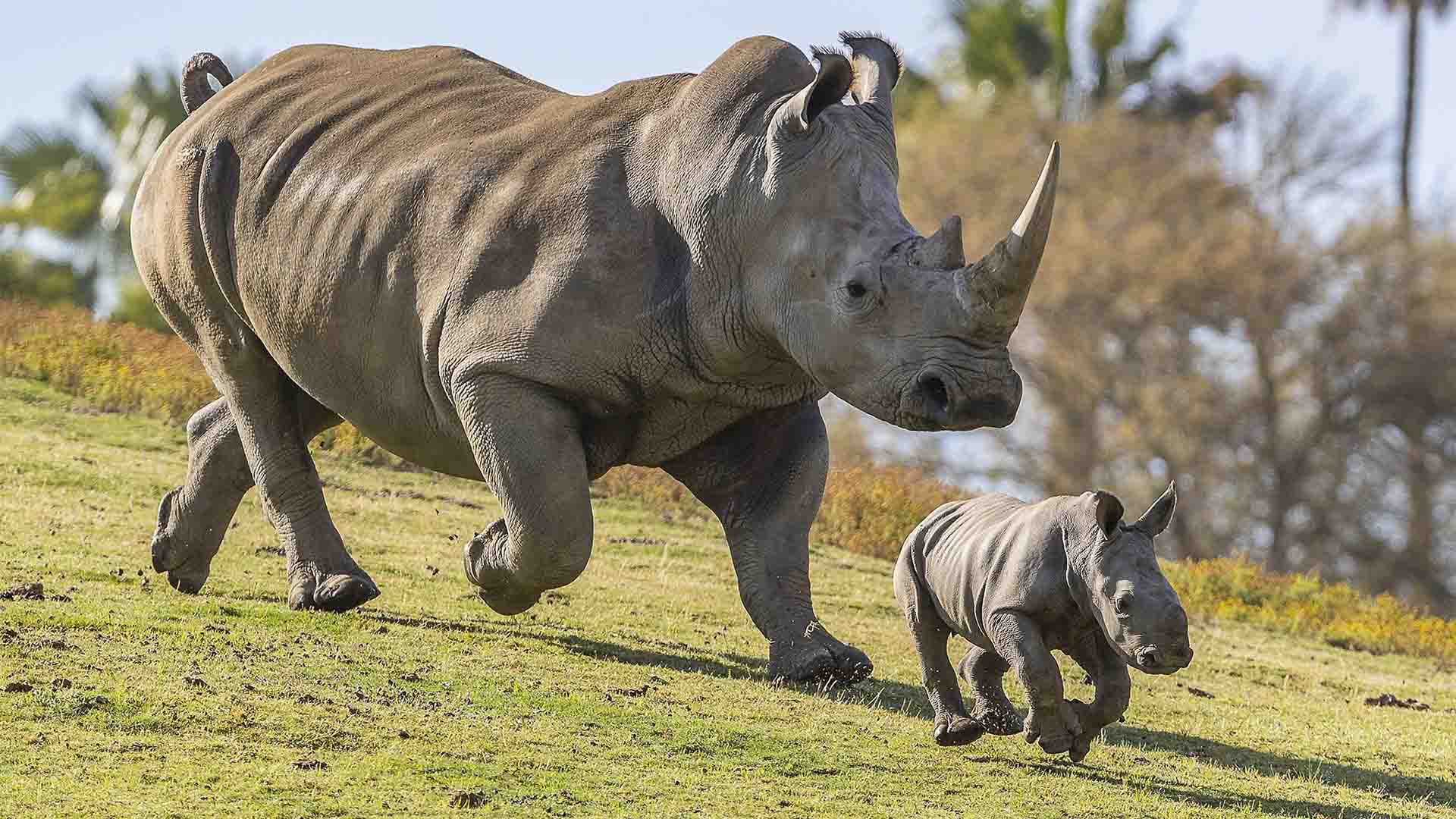
Yankari National Park: Nigeria’s Safari Destination in Bauchi State

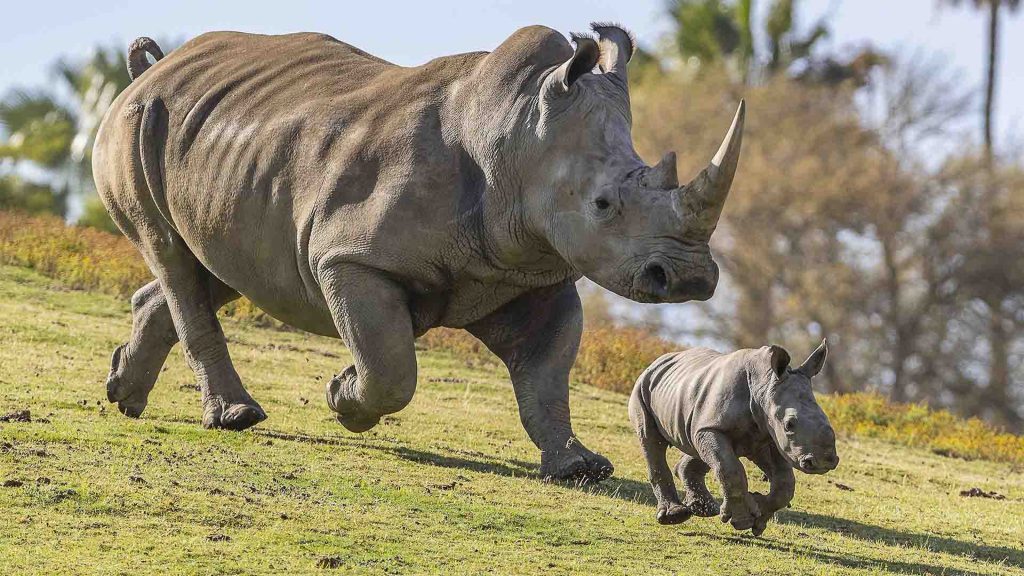
The Yankari National Park, located in Bauchi State, northeastern Nigeria, is the country’s most famous wildlife park and one of West Africa’s leading eco-tourism destinations. Covering about 2,244 km², it is home to Nigeria’s largest elephant population and features natural attractions like the Wikki Warm Spring.
Established as a game reserve in 1956 and later upgraded to a national park in 1991, Yankari is the best place in Nigeria to experience a true African safari.
📌 Geography and Landscape
- Location: Bauchi State, about 110 km southeast of Bauchi town.
- Size: 2,244 km² of savannah woodland.
- Landscape: Rolling savannah plains, hills, and river valleys.
- Climate: Best visited during the dry season (Nov–April) for wildlife viewing.
📌 Wildlife in Yankari National Park
Yankari is Nigeria’s richest park in terms of safari wildlife, including:
- Large Mammals:
- African elephants (largest herd in Nigeria) 🐘
- Lions (in smaller numbers) 🦁
- Hippos 🦛
- Buffalos, roan antelopes, and hartebeests
- Baboons and patas monkeys
- Birds: Over 350 bird species, including saddle-billed storks and kingfishers 🐦
- Reptiles: Crocodiles, snakes, and monitor lizards.
📌 Major Attractions
- Wikki Warm Spring 💦
- A crystal-clear, natural spring at 31°C year-round.
- Ideal for swimming and relaxation.
- Marshall Caves 🏞️
- Archaeological caves with ancient rock paintings and artifacts.
- Dukkey Wells ⛲
- Historic wells hand-dug by early settlers for water storage.
- Game Viewing (Safari Drives) 🛻
- Morning and evening safaris with guides to spot elephants, lions, and antelopes.
📌 Tourism Facilities
- Accommodation:
- Yankari Game Reserve Resort – chalets, lodges, and guesthouses inside the park.
- Basic but convenient, with restaurant and bar facilities.
- Transport: Visitors can rent vehicles for game drives or use park-provided safari trucks.
- Guides & Rangers: Available for safaris, hikes, and cave tours.
📌 Activities for Visitors
- Safari drives to spot elephants and other wildlife.
- Swimming in Wikki Warm Spring.
- Hiking to caves and wells.
- Birdwatching and photography.
- Cultural encounters with Bauchi State communities.
📌 Challenges Facing Yankari
- Poaching: Threat to elephants and lions.
- Funding: Limited infrastructure and park maintenance.
- Overtourism: Some environmental pressure from frequent visitors.
- Insecurity in the region: Though the park itself remains relatively safe, perception affects tourism.
📌 Conservation Importance
- Critical sanctuary for Nigeria’s elephant population.
- Protects endangered species like lions and roan antelope.
- Supports eco-tourism and community development in Bauchi State.
📌 Nearby Attractions
- Bauchi City 🌆 – Emir’s Palace, local crafts, and museums.
- Lame-Burra Game Reserve 🌳 – additional wildlife area in Bauchi State.
- Sukur Cultural Landscape (Adamawa State) 🏛️ – UNESCO World Heritage Site (reachable on extended tours).
✅ Conclusion
The Yankari National Park is Nigeria’s safari capital — a place where wildlife, history, and natural beauty converge. From watching elephants roam free to swimming in the Wikki Warm Spring, it offers visitors a unique African adventure without leaving Nigeria.
With more investment and conservation support, Yankari could rival the great safari parks of East and Southern Africa, making Nigeria a top eco-tourism destination.










Related Posts



Stay Informed With the Latest & Most Important News
Previous Post
Next Post

Advertisement