Now Reading: Youth and Pop Culture: Afrobeats’ Global Influence
-
01
Youth and Pop Culture: Afrobeats’ Global Influence


🌍 Introduction
Over the last decade, Afrobeats has transformed from a local Nigerian sound to a global cultural movement. Driven by Nigeria’s vibrant youth, artists like Burna Boy, Wizkid, Davido, Tiwa Savage, and Rema have taken the world stage, bringing Africa’s rhythms to international audiences. Today, Afrobeats is more than music—it is a lifestyle, a brand, and a bridge between Africa and the world.
🥁 What is Afrobeats?
- Afrobeats (not to be confused with Afrobeat pioneered by Fela Kuti) is a fusion of Afro-pop, dancehall, hip-hop, and traditional African rhythms.
- Originated in Nigeria and Ghana in the early 2000s, but refined and popularized by Nigerian youth culture.
- Lyrics often focus on love, hustle, lifestyle, and resilience, resonating with global audiences.
🎧 Afrobeats is the soundtrack of modern African identity.
🚀 Afrobeats Goes Global
🇺🇸 In the United States
- Artists like Burna Boy (Grammy winner) and Wizkid (Billboard Hot 100 with “Essence”) have gained mainstream success.
- Collaborations with Drake, Beyoncé, Justin Bieber, and Chris Brown have pushed Afrobeats into U.S. pop culture.
- Streaming platforms (Spotify, Apple Music) now feature dedicated Afrobeats charts.
🇬🇧 In the UK
- The Nigerian diaspora and UK grime scene gave Afrobeats a second home.
- London is often called the “Afrobeats capital outside Africa”.
- O2 Arena concerts by Wizkid, Davido, and Burna Boy regularly sell out.
🌍 Across the World
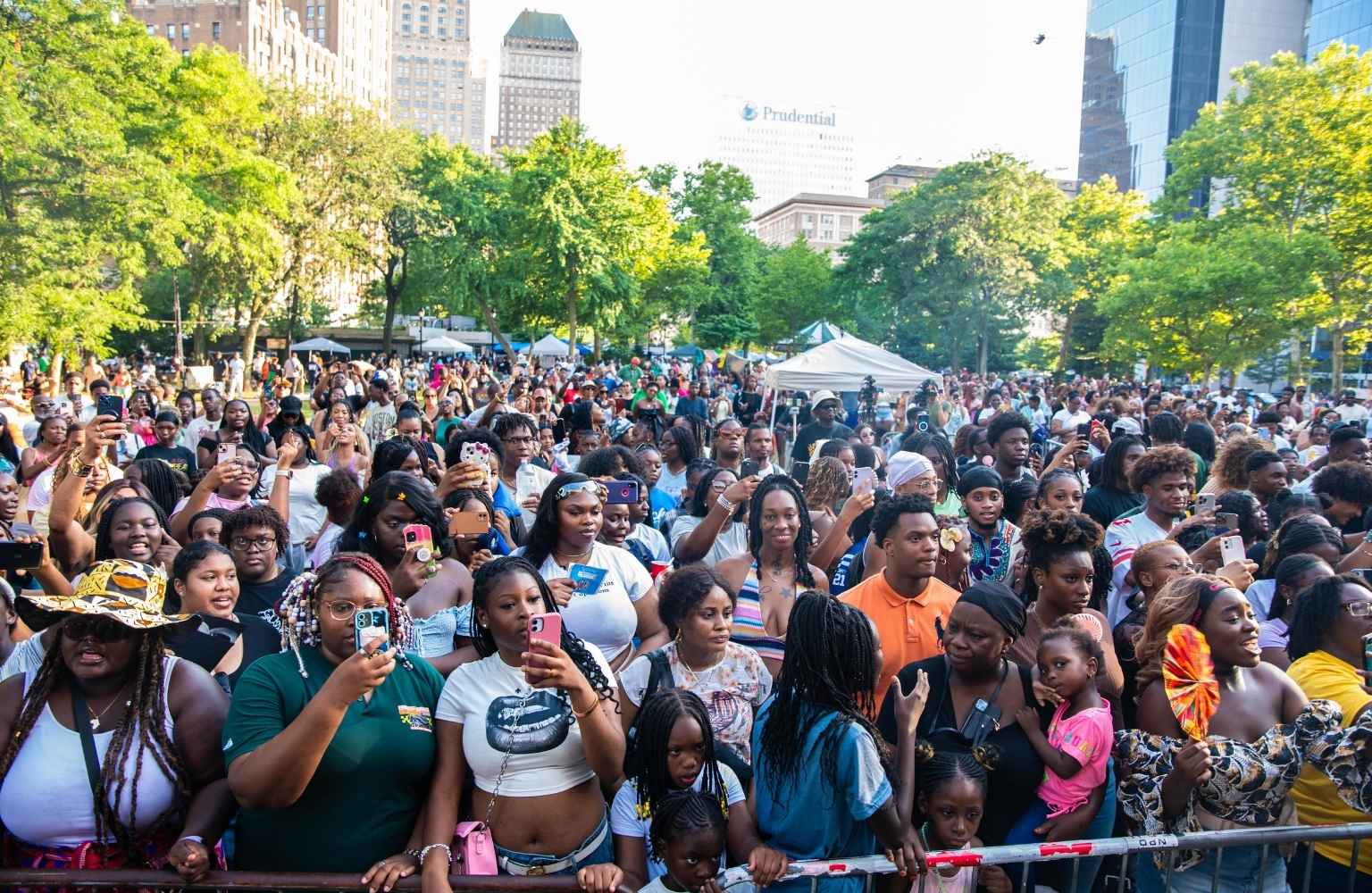
- Afrobeats festivals in Paris, Toronto, and New York attract massive audiences.
- TikTok challenges (e.g., Rema’s “Calm Down”) make Nigerian songs viral hits.
- Afrobeats is now played in clubs from Tokyo to Rio de Janeiro.
🌎 Afrobeats is Africa’s biggest cultural export of the 21st century.
💃 Youth and Pop Culture
Nigeria’s youth-driven energy powers Afrobeats:
- Fashion: Bold streetwear, Ankara fusion, and luxury brands define the Afrobeats look.
- Dance: Viral dances like “Shaku Shaku,” “Zanku,” and “Buga” spread worldwide.
- Slang: Nigerian Pidgin English terms (“No wahala,” “Omo,” “Naija no dey carry last”) are now part of global youth culture.
- Entrepreneurship: Artists build fashion lines, record labels, and tech startups, blending creativity with business.
🔥 Afrobeats reflects the confidence and creativity of Nigerian youth.
📺 Afrobeats in Media & Entertainment
- Netflix & Nollywood: Soundtracks often feature Afrobeats, boosting global recognition.
- Fashion Runways: Designers like Virgil Abloh (Louis Vuitton) incorporated Afrobeats stars in shows.
- Sports: Footballers like Paul Pogba and Victor Osimhen celebrate goals with Afrobeats-inspired dances.
🎤 Afrobeats is no longer just music—it is a cultural force across industries.
💵 Economic Impact
- Concert Tourism: Thousands travel to Lagos, Abuja, and London for Afrobeats concerts.
- Streaming Revenue: Nigerian artists now rank among the most streamed globally.
- Brand Endorsements: Pepsi, Nike, and luxury brands sign Afrobeats stars as ambassadors.
- Creative Economy: Afrobeats has become a major contributor to Nigeria’s soft power and GDP through entertainment exports.
💰 Afrobeats is building a multi-billion-dollar global industry.
🎤 Notable Artists Driving Global Influence
- Wole Soyinka gave Nigeria literature’s first Nobel Prize, but in music, Burna Boy gave Nigeria its first global Grammy win in the new era.
- Wizkid put Afrobeats on the U.S. Billboard charts with “Essence.”
- Tiwa Savage embodies female power in Afrobeats, performing at international stages like the UK Royal Wedding Concert.
- Rema’s “Calm Down” remix with Selena Gomez became one of the most-streamed songs in the world.
- Davido’s “Timeless” album broke global streaming records.
🌟 Each artist is a cultural ambassador for Nigeria.
🎯 Conclusion
Afrobeats has become the heartbeat of global youth culture, proving that African creativity can dominate the world stage. From Lagos to London, from TikTok to the Grammys, Afrobeats is not only entertaining millions but also reshaping perceptions of Africa.
Nigeria’s youth are not just making music—they are redefining culture, economy, and identity for a new global generation.










Related Posts


Stay Informed With the Latest & Most Important News
Previous Post
Next Post

Advertisement